






With most promotional displays noticed for only seconds, failure occurs if customers bypass them regardless of the offer’s strength.
In modern retail, businesses compete against constant visual noise. While oversized graphics are common, smaller displays closer to products often prove more effective by interrupting the customer journey at the point of decision-making.
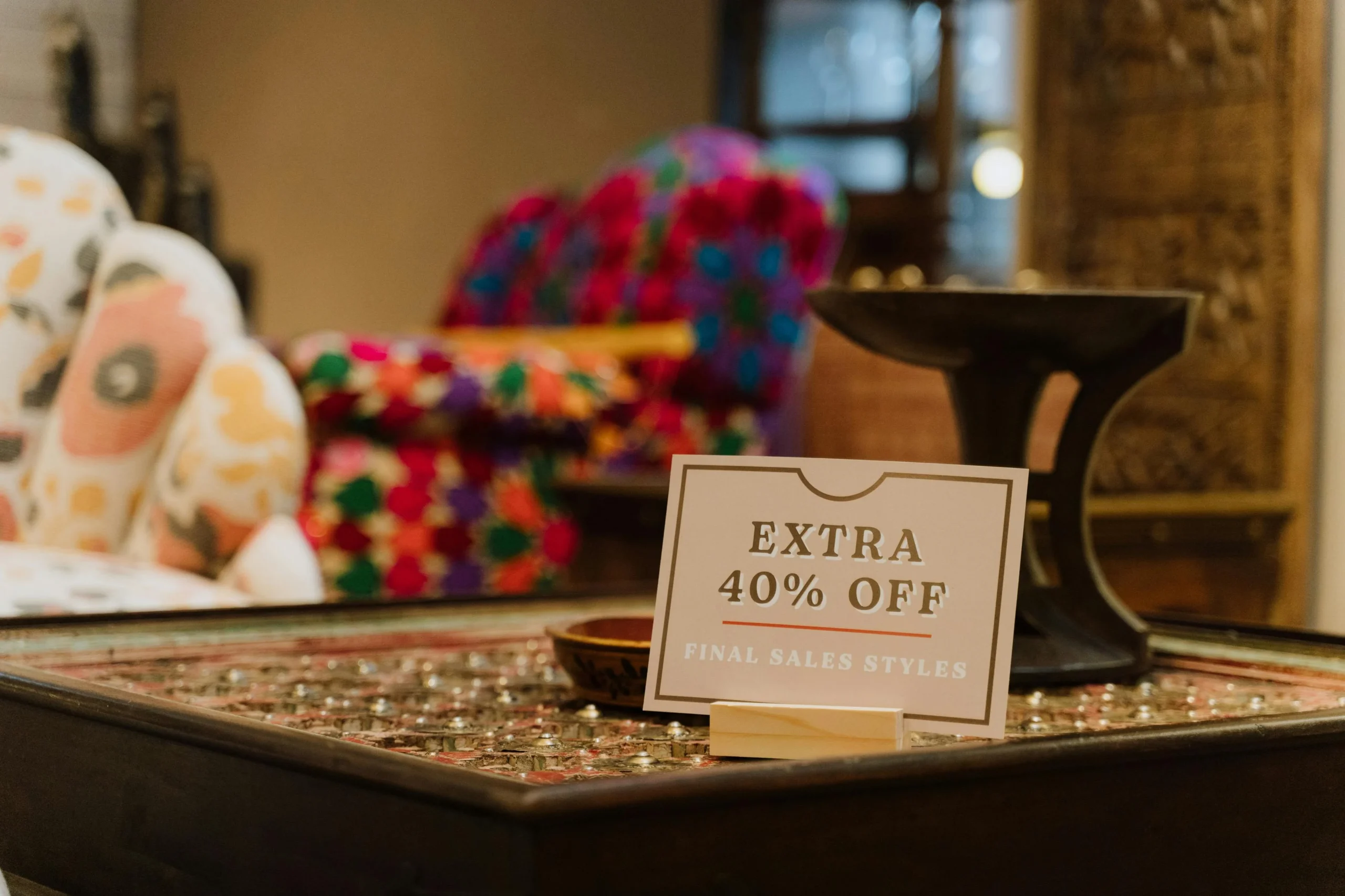
Strut cards remain popular across retail, hospitality, and exhibitions due to their practicality and cost-effectiveness. These flexible, non-permanent tools easily support seasonal launches and promotions.
For a quick, professional visibility boost, printed displays provide a reliable and straightforward marketing solution.
Why Strut Cards Continue to Work
Customer behaviour inside stores is often more impulsive than businesses expect. Various retail studies suggest that a significant percentage of purchasing decisions are made while customers are already browsing rather than before entering the store.
That makes point-of-sale displays far more important than many brands realise.
A strut card works because it naturally sits within a customer’s direct line of sight. Unlike wall signage that gradually blends into the background, freestanding displays placed beside products or checkout counters create a stronger interruption to normal visual scanning.
Supermarkets regularly use compact promotional signage to highlight discounted products or limited offers. Cafés often place smaller countertop displays near tills to promote seasonal drinks or meal deals. Even exhibition stands rely heavily on self-standing displays because they allow messaging to be updated quickly throughout campaigns and events.
The format itself is simple, but simplicity is often what makes it effective.
Why A4 Strut Cards Are So Commonly Used
Larger signage helps attract attention from a distance, but smaller formats are usually more effective when customers are already close to making a decision.
That is where A4 strut cards work particularly well.
They provide enough space for branding, pricing, promotional messaging, and product visuals without becoming visually overwhelming. In smaller commercial environments especially, oversized signage can sometimes create unnecessary clutter rather than improving visibility.
A4 formats keep messaging focused and easier to absorb quickly.
Businesses commonly use A4 strut cards for:
- Counter promotions
- Reception desk branding
- Product launches
- Event signage
- Hospitality offers
- Window display support
They are also practical from a production perspective. Because A4 is a standard print size, campaigns can be updated regularly without excessive printing costs, making them useful for both short-term promotions and long-running marketing activity.
Cheap Print Quality Usually Damages the Promotion Itself
One of the biggest mistakes businesses make with display printing is assuming customers do not notice quality differences.
In reality, poor print quality changes how the entire promotion is perceived.
Warped display boards, faded colours, weak folding supports, or low-resolution graphics immediately make signage feel temporary and lower value. Customers may not consciously analyse the problem, but presentation quality still affects how trustworthy and professional the business appears.
This becomes even more noticeable in premium shop spaces where surrounding branding, interiors, and packaging already maintain a higher visual standard.
For that reason, many businesses now choose more durable materials such as:
- Foamex board
- Laminated display card
- Corrugated board
- Waterproof display stock
The correct option usually depends on how long the signage will remain in use and the environment it needs to withstand.
Most Promotional Displays Contain Too Much Information
A common issue with in-store signage is overcrowding.
Many businesses try to communicate every detail at once, which usually has the opposite effect. Customers moving through busy environments rarely stop to read large blocks of promotional text. The displays that perform best are often the simplest ones.
Good strut cards normally focus on one priority message.
That could be:
- A price reduction
- A seasonal launch
- A new arrival
- A limited-time offer
- A bundle promotion
Once multiple messages begin competing against each other, readability drops quickly.
Strong retail display design usually relies on:
- Clear hierarchy
- Short headlines
- Readable typography
- Strong colour contrast
- Clean spacing
The goal is not to overload customers with information. The goal is to help them notice the most important message immediately.
Why Temporary POS Displays Still Matter
Physical stores constantly evolve throughout the year. Seasonal campaigns change, promotional pricing updates regularly, and new products enter the market continuously. Because of this, businesses still rely heavily on printed POS materials that can be replaced or updated quickly without major installation costs.
That flexibility is one reason strut cards remain relevant despite the growth of digital advertising.
Independent businesses use them because they provide an affordable way to refresh visual merchandising regularly. Larger brands rely on them to maintain consistency across multiple store locations during nationwide campaigns.
When combined with posters, shelf signage, and window graphics, they also help create a more connected customer experience throughout the entire space.
Simple display formats often survive because they solve practical problems efficiently. Strut cards continue to do exactly that.
Final Thoughts
Retail marketing is often influenced by very small moments. A customer may only glance at a display for a few seconds, yet those few seconds can strongly affect attention, perception, and impulse buying behaviour.
Professionally printed displays still matter because customer attention inside physical stores is limited. A well-positioned strut card does not need to be complicated to be effective. It simply needs to be visible, clear, and positioned where customer decisions are already happening.
Whether used for product launches, seasonal promotions, or everyday branding, A4 strut cards continue helping brands capture customer attention at the exact moment buying decisions are made.
Author Name: Nimesh Kerai
Serving as the Head of Printing at VC Print, Nimesh Kerai is a distinguished expert in the field. His remarkable technical skills, combined with his keen awareness of the latest advertising trends, have propelled the company to notable success. Over the years, Nimesh has gathered a wealth of knowledge, which he frequently imparts through engaging and informative blog posts.