







The honest answer is yes, for most London homeowners a double storey extension is one of the best investments you can make in your property. But the longer answer depends on your specific house, your budget, your planning situation, and what you actually need the space for. Getting it wrong is expensive, so its worth understanding what you’re signing up for before committing.
A double storey extension gives you two floors of additional space in a single build. Kitchen and living area downstairs, bedrooms or a home office upstairs. The cost per square metre is significantly lower than building two separate single storey extensions because the foundations and roof are shared across both floors. At Extension Architecture, we’ve designed and delivered double storey extensions across London on terraced, semi detached, and detached properties. Here’s what you should know before deciding whether its the right move for your home.
The Cost Advantage Over Single Storey
This is the number one reason homeowners choose double storey. The foundations for a double storey extension cost roughly the same as those for a single storey one. The roof is similar too. So the additional upper floor comes at a fraction of what it would cost to build as a standalone project.
In London, a single storey rear extension typically costs between £60,000 and £100,000 depending on size and specification. A double storey extension on the same footprint might cost £90,000 to £140,000. You’re getting twice the floor area for roughly 40 to 50 percent more money. On a per square metre basis, thats a significant saving.
For families who need both a bigger kitchen and an extra bedroom, doing it all in one go as a double storey makes far more financial sense than building the ground floor now and converting the loft later as two separate projects.
What You Get on Each Floor
The ground floor of a double storey extension typically becomes the kitchen, dining, and living area. Open plan layouts that connect to the garden through large glazed doors are the most common request. This is where the family spends most of its time, so getting the layout right matters enormously.
The first floor usually provides one or two additional bedrooms, often with an en suite bathroom. For families who’ve been squeezing three kids into two bedrooms, or for couples who want a proper guest room, this extra floor changes everything about how the house functions.
Some homeowners use the upper floor differently. A dedicated home office with proper acoustic separation from the rest of the house. A master suite with walk in wardrobe and luxury bathroom. A teenage den that gives older kids their own space away from the main living areas. The beauty of a double storey is that the upper floor can be whatever you need it to be.
Planning Permission Is Usually Required
Unlike many single storey extensions that can be built under permitted development, double storey extensions almost always require a full planning application. The council assesses the impact on neighbouring properties, particularly in terms of overlooking, overshadowing, and visual impact.
Your architect designs with these concerns in mind from the start. Setting the upper floor back from the boundary to reduce overlooking. Using obscured glazing on windows that face neighbours. Keeping the ridge height below the existing roofline so the extension doesn’t dominate the street.
In London, where properties sit close together, these considerations are critical. A well designed double storey extension that addresses neighbour impact convincingly is far more likely to get approved than one that ignores it.
Structural Considerations
A double storey extension puts more load on the foundations than a single storey one. Your structural engineers designs the foundations, floor slabs, and supporting walls to handle this additional weight safely.
On London’s clay soils, which are common across much of the south and west, foundation depths may need to be greater than on other ground types. Tree roots can also affect foundation design, particularly if there are mature trees near the proposed extension. Your engineer assesses all of these factors and specifies foundations that suit your specific site conditions.
The connection between the new extension and the existing house also needs careful detailing. Tying new walls into old ones, matching floor levels between existing and new rooms, and ensuring the roof junction is weathertight all require precise architectural and structural coordination.
The Disruption Factor
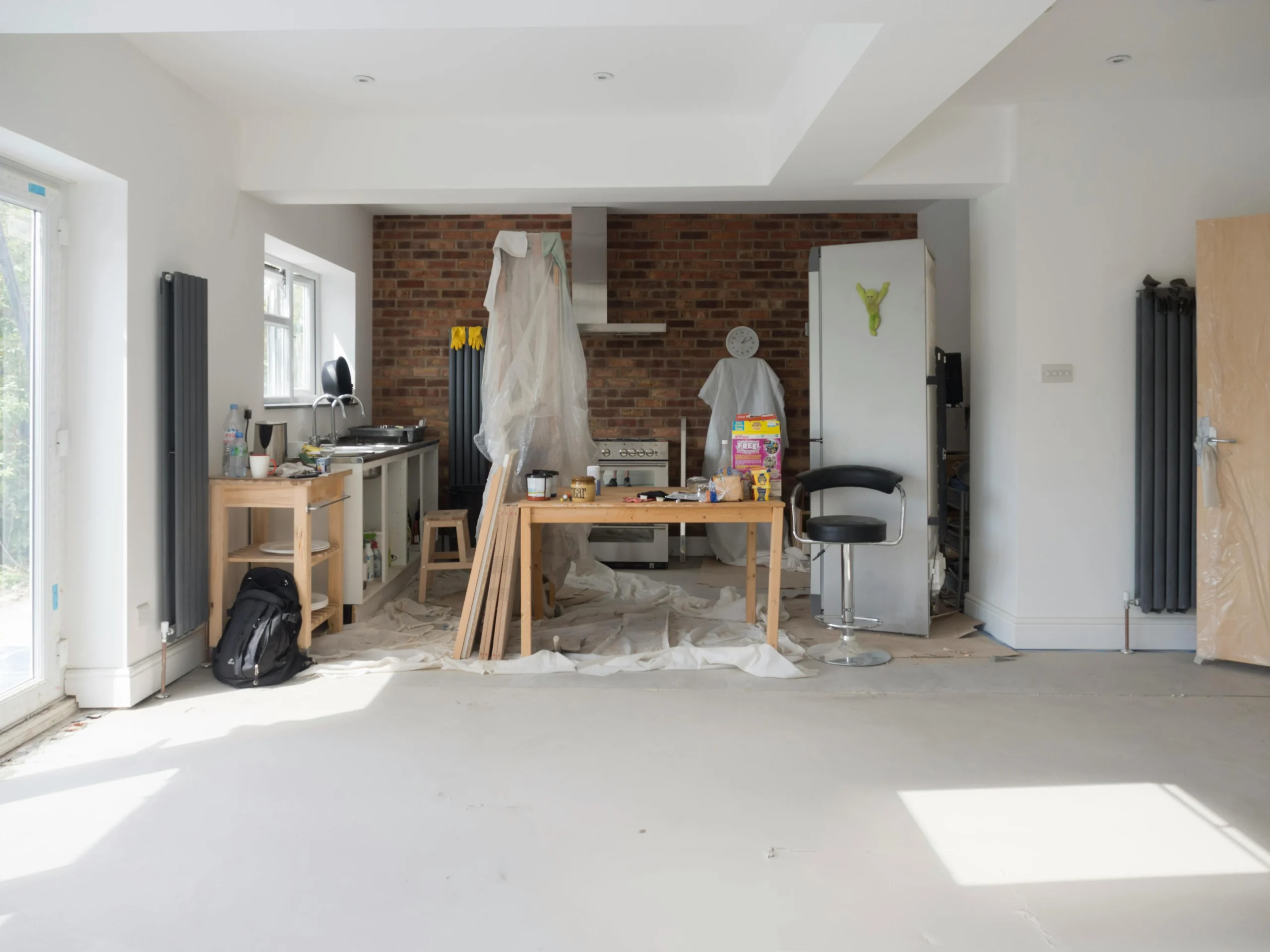
A double storey extension takes longer to build than a single storey one. Typical construction time is around four to six months depending on size, complexity, and weather. During that time, the rear of your house will be a building site. Scaffolding, noise, dust, and restricted access to the garden are all part of the reality.
Most families stay in the house during construction, though the first few weeks when the existing rear wall comes down can be uncomfortable. Your builder should provide temporary weatherproofing to keep the house habitable throughout. Planning the work over spring and summer months helps avoid the worst of the weather disruption.
When It Doesn’t Make Sense
A double storey extension isn’t right for every property. On narrow terraced houses where the plot is tight, a two storey addition at the rear can feel overbearing and may struggle to get planning approval. Properties with very short gardens might lose too much outdoor space to justify the building footprint. And if you only need extra ground floor space, paying for an upper floor you don’t use is wasted money.
Your architect assesses whether a double storey is appropriate for your specific property before you commit. Sometimes a single storey extension combined with a loft conversion delivers the same amount of space with less planning risk and less impact on the garden.