







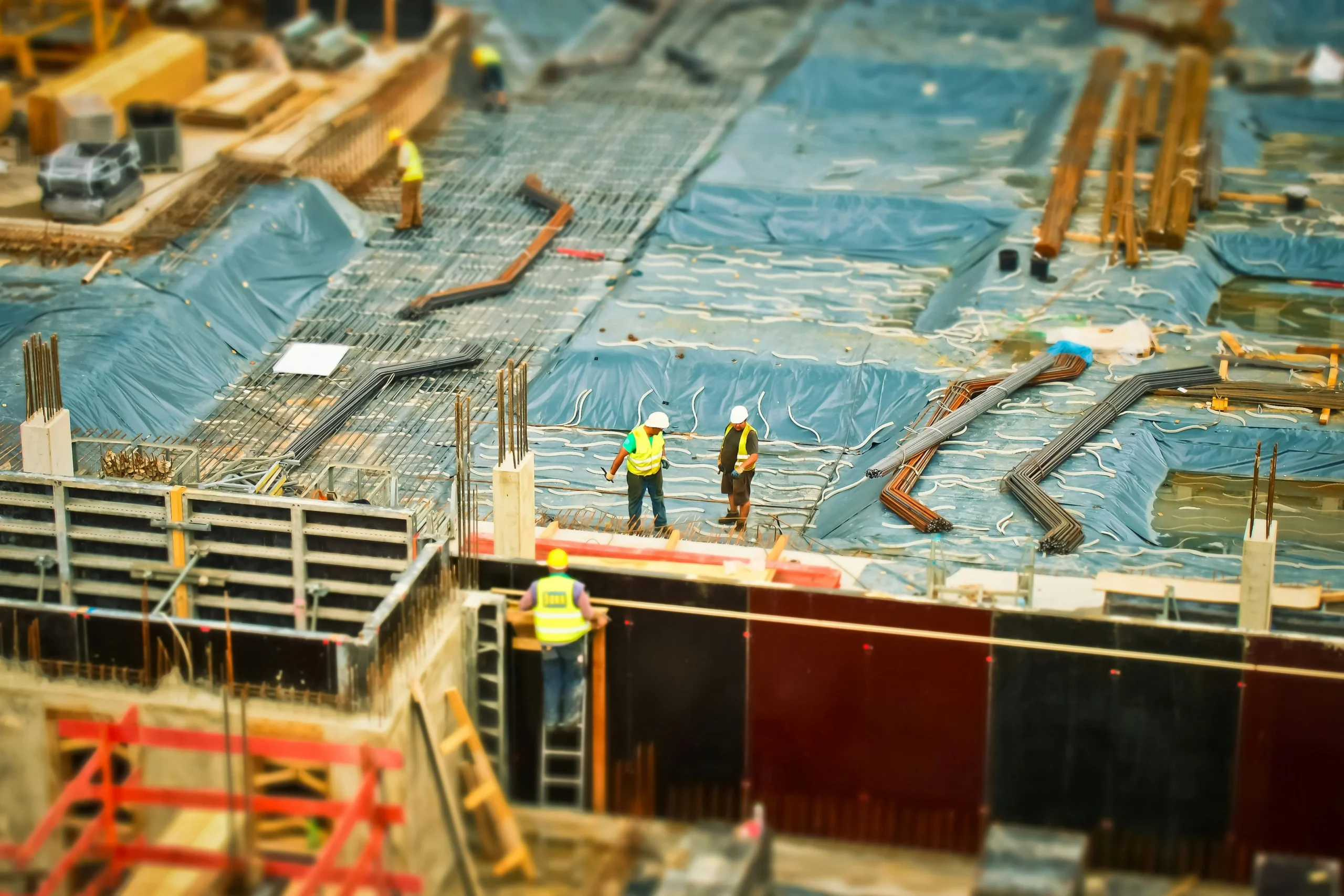
People begin forming opinions about a construction site well before the building is complete. A poorly maintained perimeter, including damaged panels or untidy temporary barriers, immediately harms how the entire development is perceived from the outside. Even highly professional construction work can appear disorganised if the surrounding site presentation is neglected.
For this reason, hoarding construction is now far more than simple boundary protection. Modern site hoarding panels are multifunctional, simultaneously improving safety, controlling access, and supporting branding. They are essential for helping developments maintain a cleaner, more professional public appearance throughout the build process.
Why Site Hoarding Panels Matter
Construction environments involve constant movement. Deliveries arrive throughout the day, machinery operates in confined spaces, and contractors work alongside nearby pedestrian routes and traffic systems.
Without clear boundaries in place, even smaller sites can quickly feel unsafe or chaotic.
Site hoarding panels help create separation between active construction work and surrounding public areas. They are commonly used to:
- Restrict unauthorised access
- Improve pedestrian safety
- Shield ongoing work from public view
- Reduce exposure to dust and debris
- Display safety messaging
- Support branding and advertising
In city-centre developments, perimeter systems also help minimise disruption for nearby businesses and residents. A clean, professionally installed boundary immediately creates a stronger sense of organisation.
And appearance matters more than many contractors expect.
Hoarding Is No Longer Just a Security Requirement
Temporary barriers were once treated purely as practical site protection.
That has changed significantly over the last decade.
Many developers now use printed hoarding panels as part of the wider presentation of the build itself. Large schemes can remain active for months or even years, which means perimeter graphics become highly visible to the public during that entire period.
Because of this, businesses increasingly use site hoarding to display:
- Development visuals
- Company branding
- Directional signage
- Safety information
- Marketing graphics
- Project updates
In high-footfall locations, branded hoarding often becomes one of the largest advertising surfaces available before completion.
For residential and commercial developments especially, maintaining a professional external appearance helps create stronger public confidence while work continues behind the scenes.
Material Quality Makes a Bigger Difference Than Most Teams Realise
Construction environments place heavy pressure on temporary structures.
Wind exposure, rain, impact damage, dirt, and long installation periods quickly expose weaker materials. Poor-quality panels often begin deteriorating long before the construction work is finished, which affects both appearance and safety.
Customers, investors, and nearby businesses notice these details immediately.
That is why many contractors now invest in stronger display materials such as:
- Foamex panels
- Aluminium composite boards
- Exterior-grade plywood
- Weather-resistant printed boards
The correct solution usually depends on:
- Site location
- Outdoor exposure
- Branding requirements
- Installation period
- Budget considerations
Long-term developments generally require more durable systems capable of maintaining structural reliability and print quality over extended periods.
Cheap temporary signage rarely stays looking professional for very long.
Construction Hoarding Is Increasingly Used for Marketing
Printed site hoarding panels are no longer treated only as safety barriers. In many developments, they also function as large-format promotional space.
Residential developments frequently use perimeter graphics to showcase future property visuals before launch. Retail and hospitality brands often promote opening dates, leasing opportunities, or upcoming tenants directly on the external hoarding itself.
This approach is particularly effective in areas with heavy pedestrian traffic.
Some businesses now integrate:
- QR codes
- Social media links
- Website information
- Development timelines
directly into printed panels to encourage public engagement throughout the construction period.
For highly visible sites, the perimeter itself often becomes part of the marketing strategy.
Poorly Maintained Boundaries Damage Public Perception Quickly
Most people will never see the internal construction process.
They only see the outside.
Damaged graphics, faded printing, exposed framework, or inconsistent signage immediately create the impression that a site is being poorly managed — even when the actual construction standards remain high.
This becomes particularly important near:
- Retail districts
- Residential streets
- Transport hubs
- Commercial centres
- Public walkways
In these environments, presentation directly affects how nearby communities respond to the development over time.
Clean graphics, durable panels, and consistent maintenance all contribute to a more professional external image while work continues.
Temporary Site Systems Still Need Long-Term Planning
Temporary infrastructure is sometimes treated as secondary compared to the building work itself.
In reality, poor perimeter planning often creates operational problems later.
Effective hoarding construction requires careful consideration around:
- Access routes
- Visibility
- Wind loading
- Pedestrian movement
- Installation safety
- Ongoing durability
Even relatively straightforward perimeter systems must withstand constant daily activity while remaining visually presentable for extended periods.
That balance between practicality and presentation is now an important part of modern construction management.
Final Thoughts
Construction sites influence public perception long before the finished development is complete. The condition, quality, and presentation of perimeter hoarding all shape how a site is viewed by nearby businesses, investors, and the wider public.
Professionally installed site hoarding panels do far more than secure an active construction area. They improve safety, support branding, reduce visual disruption, and help developments maintain a more organised and professional appearance throughout the build process.
Whether used for public communication, advertising, or site protection, effective hoarding construction continues to shape how modern developments are viewed long before construction is complete.
Author Name: Nimesh Kerai
Nimesh Kerai, the Head of Printing at the Board Printing Company, is a seasoned professional. His immaculate technical proficiency and habit of staying current with the advertising trends have helped the company reach impressive heights in the industry. He has amassed extensive knowledge throughout his career and often shares it with the general public in the form of intriguing and useful blog posts.