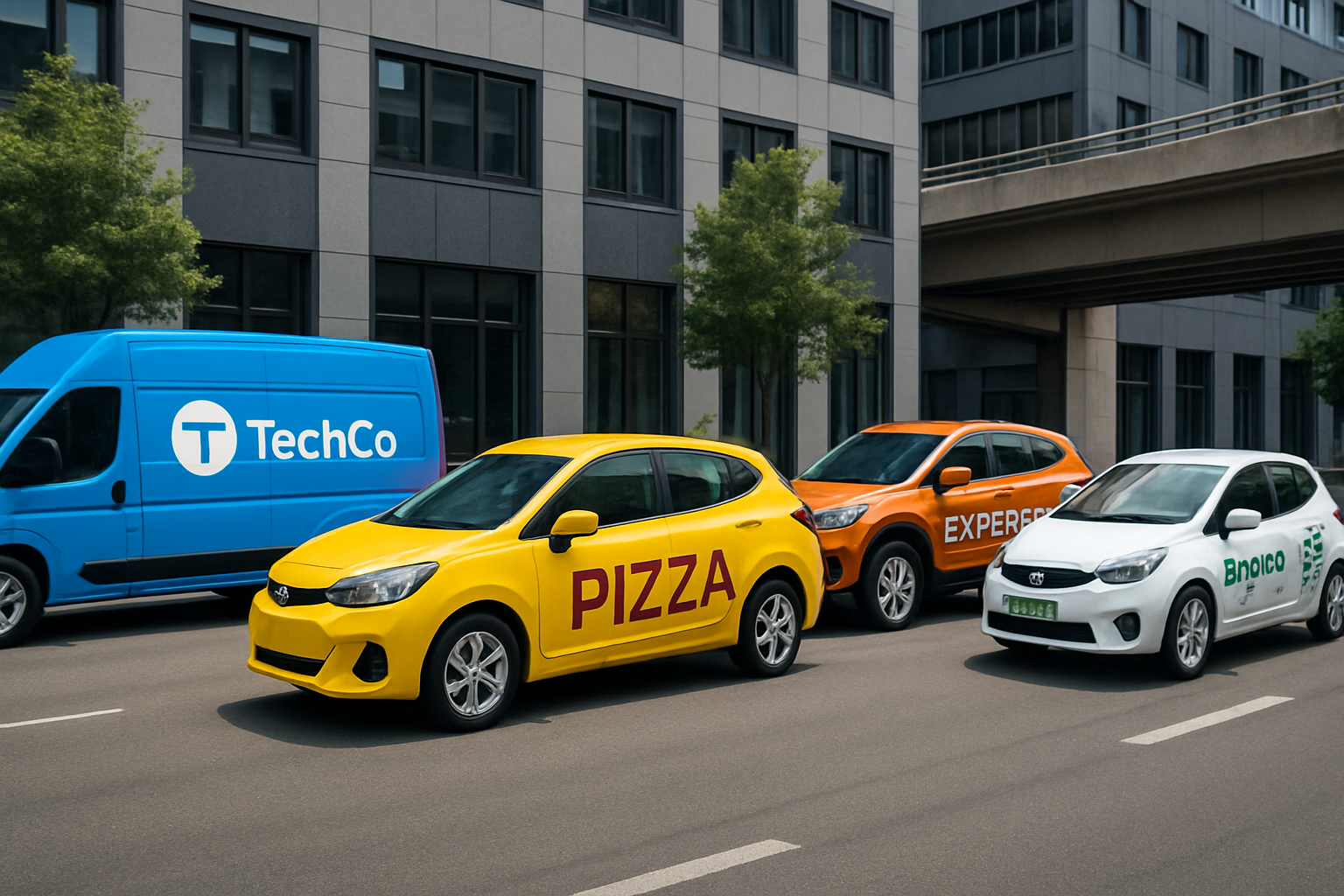







Digital advertising has transformed how businesses attract attention, but physical spaces still depend heavily on visual communication. Before customers speak to staff, browse products, or interact with services, they usually notice the surrounding environment first. The condition, quality, and placement of signage all contribute to those early impressions.
This is why businesses across retail, hospitality, healthcare, offices, and commercial developments continue investing in professionally designed displays. Effective signage does far more than provide information. It improves navigation, strengthens branding, supports customer confidence, and helps businesses appear more organised and trustworthy.
Both internal signage and external signage play an important role in shaping how people experience a commercial environment from the moment they arrive to the moment they leave.
Why External Signage Still Matters
Businesses compete for visibility constantly, especially in busy commercial areas where customers are surrounded by advertising, storefronts, digital displays, and competing brands.
External signage helps businesses establish presence before customers even enter the building. A clear and professionally designed display makes locations easier to identify while reinforcing credibility at the same time.
This becomes especially important in:
- High streets
- Retail parks
- Shopping centres
- Hospitality venues
- Commercial office spaces
- Healthcare environments
Customers are naturally more likely to trust businesses that appear organised and professionally presented from the outside.
Common examples include:
- Fascia signs
- Illuminated lettering
- Window graphics
- Hanging signs
- Pavement displays
- Directional systems
In competitive locations, visibility often influences whether customers enter the premises at all. Poorly maintained signage can make even established businesses feel overlooked or outdated compared with neighbouring competitors.
First impressions are often formed within seconds.
Why Internal Displays Matter Just as Much
Visibility outside the building is important, but customer experience inside the space matters equally.
Internal signage helps customers move through environments confidently without relying constantly on staff assistance. In larger buildings especially, clear navigation systems reduce confusion and create a more comfortable experience overall.
Businesses regularly use internal signage for:
- Reception areas
- Department identification
- Directional guidance
- Meeting room labelling
- Promotional displays
- Safety information
Hospitals, hotels, offices, and retail stores all rely heavily on visual navigation because customers naturally respond better to spaces that feel easy to understand.
Poor navigation creates frustration quickly. Customers who struggle to find departments, services, or exits often leave with a weaker impression of the business itself.
Good visual guidance solves practical problems while quietly improving how organised the environment feels.
Customers Notice Signage Quality Immediately
Many businesses underestimate how strongly presentation affects perception.
Damaged graphics, faded colours, inconsistent branding, or outdated displays can make an otherwise professional business appear neglected. Customers may not consciously analyse these details, but they still influence trust and overall brand perception.
This becomes even more noticeable in customer-facing spaces where presentation standards already matter heavily, such as:
- Showrooms
- Restaurants
- Hotels
- Premium retail stores
- Corporate offices
Professional signage materials usually maintain appearance for longer while creating a cleaner and more reliable finish overall.
Depending on the environment, businesses often choose:
- Acrylic panels
- Vinyl graphics
- Foamex boards
- Aluminium composite signage
- Illuminated lightboxes
The correct material normally depends on placement, lighting conditions, durability requirements, and whether the display needs to be updated regularly.
Cheap signage rarely stays looking professional for very long.
Modern Signage Supports Branding as Well as Navigation
Businesses no longer treat signage purely as a practical requirement.
Today, visual consistency across commercial environments plays a major role in how brands are experienced physically. Typography, colour palettes, materials, finishes, and positioning all contribute to a more cohesive identity.
Customers often associate consistency with professionalism.
That is why many businesses now integrate signage into wider branding strategies rather than designing displays separately. A disconnected visual style can make environments feel less organised even when individual signs are functional.
This is particularly important across:
- Retail chains
- Hospitality groups
- Corporate offices
- Educational facilities
- Healthcare environments
Consistent branding helps customers move through spaces more naturally while reinforcing recognition at the same time.
Simplicity Usually Performs Better Than Complexity
One of the most common mistakes businesses make is trying to communicate too much information at once.
Customers moving through busy commercial environments rarely stop to read lengthy text-heavy displays. The most effective signage systems are normally the clearest ones — short messaging, readable typography, logical placement, and strong visual contrast.
Good signage design usually focuses on:
- Visibility
- Simplicity
- Readability
- Consistent branding
- Clear hierarchy
A sign only has a few seconds to communicate its purpose. If customers struggle to understand the message quickly, the display becomes less effective regardless of how visually impressive it may appear.
Clean layouts almost always outperform overcrowded designs.
Why Businesses Use Internal and External Signage Together
The strongest customer experiences feel visually connected from start to finish.
Exterior branding creates awareness before entry, while interior displays continue guiding customers once they move through the space. When both systems follow a consistent visual style, businesses appear more organised, professional, and easier to navigate.
This joined-up approach is now widely used across:
- Retail environments
- Hotels
- Shopping centres
- Office buildings
- Healthcare facilities
- Large commercial developments
Customers may not consciously notice every design detail, but they still respond positively to environments that feel visually consistent and easy to move through.
That consistency helps strengthen both customer confidence and brand recognition.
Final Thoughts
Businesses are often judged visually long before customers interact with products or services directly. The quality, placement, and consistency of signage all influence how commercial spaces are experienced from the outside in.
Professionally designed internal signage and external signage do far more than display information. They improve visibility, support navigation, reinforce branding, and help businesses create stronger customer experiences at every stage of the customer journey.
Author Bio: Nimesh Kerai
Nimesh Kerai serves as the Printing Head at the Sign Company in London. Utilising his technical aptitude and the trait of keeping up with the latest technological advancements, he has been able to deliver top-notch quality prints and signage to sou customers consistently. This has cemented the Sign Company as one of the most sought-after signage companies in London. He consistently shares his insights with the masses by means of useful and intriguing blogs.