







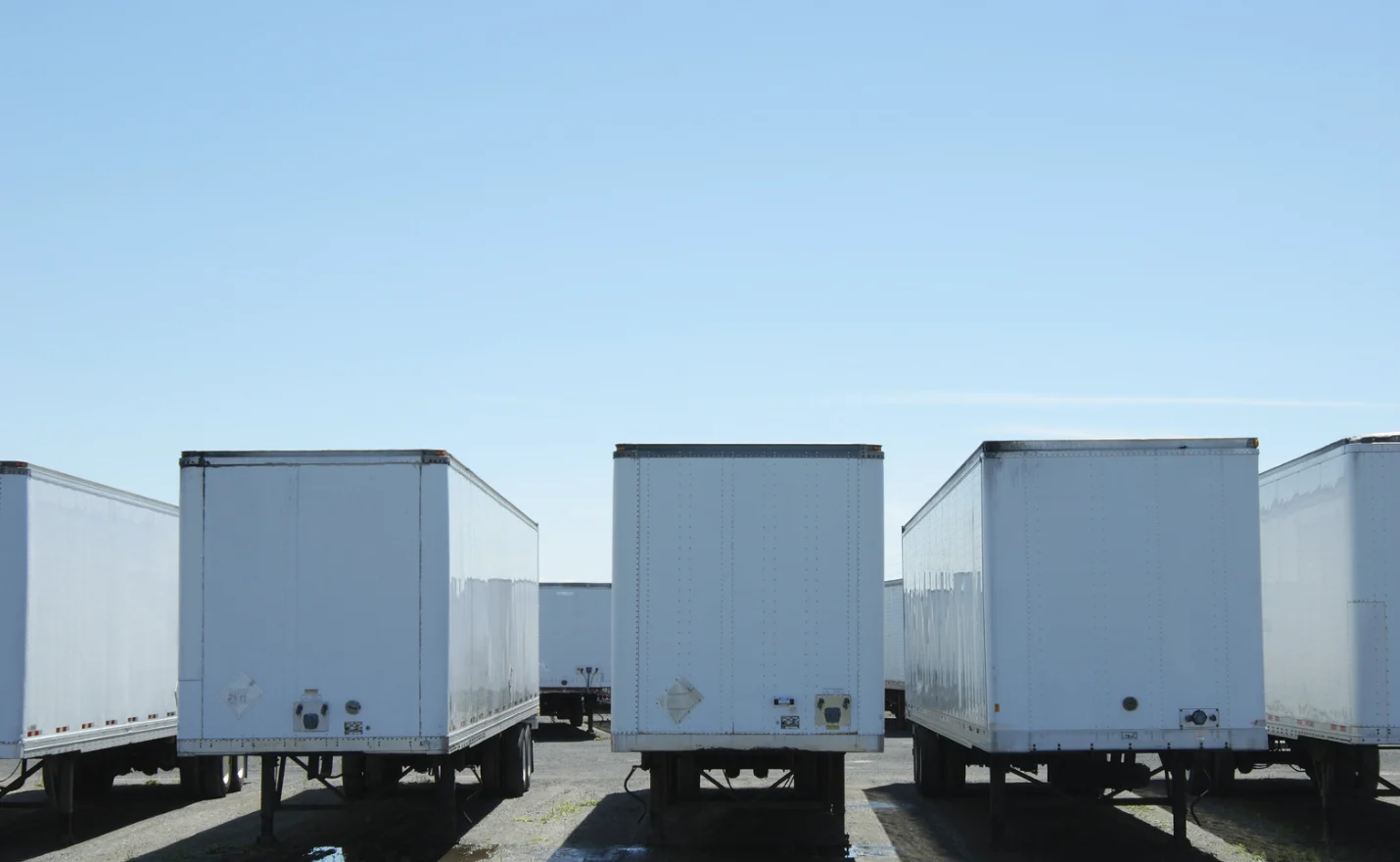
Here is the thing about semi trailer rental that most content skips: a lot of people searching for it do not realize they are shopping for two completely different things, depending on what they actually need.
One version is a trailer you move. The other is a trailer that stays put. The price, the process, the requirements, and the questions you should ask are different for each. Most rental content treats them as one thing and leaves the reader more confused than when they started.
This is the version that clearly explains the distinction, covers what these rentals actually cost, and answers the questions real people ask before they call anyone.
For businesses and individuals comparing options, semi trailer rental through providers like Boxwheel operates on a flexible term model that serves both scenarios, whether you need a trailer moved between facilities or parked at a location for weeks.
The Two Very Different Reasons People Rent Semi Trailers
Understanding which category you fall into changes everything downstream.
Reason one: You need to move freight. This is the traditional use case. You have product that needs to go from point A to point B. You do not own enough trailer capacity to handle the current volume, or you need a specific trailer type you do not have. You need the trailer to actually travel.
Reason two: You need temporary storage or staging space. This is the use case that surprises people. A semi trailer parked at a loading dock or in a parking lot is a functional storage unit with a dock-height floor, weather-tight walls, and 48 to 53 feet of usable space. Businesses use parked trailers to handle overflow inventory, stage materials at a job site, manage excess capacity during seasonal peaks, or bridge the gap while permanent warehouse space is being built or retrofitted.
The second use case is far more common than most people assume, and it is often significantly cheaper than equivalent commercial storage per square foot.
Do You Need a CDL to Rent a Semi Trailer?
This is the first question many individual buyers have, and the answer depends on what exactly you are renting.
If you are renting a trailer only and someone else is providing the tractor and driver, no CDL is required on your part. You are the shipper. The carrier, who holds the appropriate licensing, is responsible for the vehicle and operator compliance.
If you are renting a tractor-trailer combination and operating it yourself, yes, a Class A Commercial Driver’s License is required. Full stop. A semi trailer combined with a tractor is a commercial motor vehicle under FMCSA regulations, and operating one without the appropriate license creates personal liability and potentially criminal exposure.
Most trailer-only rental programs, where the trailer is used stationary or moved by a contracted carrier, have no CDL requirement on the renter’s side. This is the category that opens up semi trailer rental to small businesses, event organizers, contractors, and individuals who would never qualify for a Class A license.
What Semi Trailer Rental Actually Costs
Pricing varies more than most people expect because the variables are numerous. Here is a realistic breakdown of what drives the number.
Trailer type is the biggest variable. Dry van trailers (standard enclosed, no climate control) are the least expensive. Refrigerated trailers (reefers) cost more because of the refrigeration unit, its fuel, and the maintenance overhead. Flatbed trailers fall in the middle and vary based on configuration.
Term length affects the per-day rate significantly. A one-day rental is priced differently than a 30-day rental on the same equipment. Monthly rates are typically more economical per day than weekly rates, which are more economical than daily rates.
Location matters because trailer availability and demand fluctuate by market. Markets with high industrial or agricultural activity often have more competitive pricing than markets where trailer supply is tighter relative to demand.
Rough ranges for planning purposes in the current market:
- Dry van trailer, monthly rental: $500 to $900 per month
- Dry van trailer, weekly: $250 to $500 per week
- Refrigerated trailer, monthly: $1,500 to $3,500 per month, depending on temperature specification
- Flatbed trailer, monthly: $600 to $1,200 per month
These numbers do not include fuel for a refrigerated unit’s engine (which runs independently of any tractor), delivery fees if the trailer needs to be dropped at your location, or damage waivers.
The Storage Use Case in Detail
This deserves its own section because it comes with practical considerations that moving-freight rentals do not.
A standard 53-foot dry van trailer has an interior floor space of approximately 636 square feet, with an interior height of around 109 inches and an interior width of 98 to 100 inches. For context, a standard 10 by 20 foot storage unit has 200 square feet and costs $150 to $300 per month in most U.S. markets. A parked semi trailer often delivers more space per dollar.
What you need to make a parked trailer work at your facility:
Level ground. A trailer parked on an uneven surface stresses the landing gear and creates interior floor slope that makes organizing and accessing contents difficult. Most trailers come with adjustable landing legs, but significant grade changes beyond a couple of percent cause real operational problems.
Electrical access if temperature matters. A refrigerated trailer used for stationary cold storage needs shore power. This is a 460-volt three-phase connection in most cases, which is standard in commercial and industrial facilities but not always available in a standard parking lot or residential setting. Confirm power availability before booking a reefer for stationary storage.
Local zoning compliance. This is the part that catches people off guard. Many municipalities have ordinances that regulate the parking of semi trailers on commercial or residential property beyond a certain time period. What is legally permissible in a light industrial zone may not be in a commercial retail zone. A quick call to the local planning or zoning office before the trailer arrives prevents a code enforcement situation after it does.
Landing gear clearance. The landing gear on a trailer drops down when the tractor disconnects and supports the front of the trailer. The trailer needs enough ground clearance and a stable surface beneath the gear to sit level. Gravel, asphalt, and concrete all work. Soft or muddy ground can cause the gear to sink over time, which creates both access problems and potential damage to the trailer.
What Happens If You Return a Trailer Late
The answer here is almost always: you pay for the additional time at whatever the applicable daily or weekly rate is under your agreement, and potentially a penalty rate if the extension was not communicated in advance.
Most rental agreements are structured around the expectation that trailers come back on time because the provider has other commitments for that equipment. A trailer that sits at your facility past its return date is a trailer that someone else is waiting for.
The practical advice is to build in a buffer when you are estimating the term you need. If you think you need the trailer for three weeks, book four. The incremental cost of an extra week is almost always lower than the friction and potential penalty of a late return conversation.
If circumstances change and you need to extend, call the provider before the contract end date, not after. Most providers can accommodate extensions when given enough notice. The same extension request made on the day the trailer was supposed to come back is a harder conversation.
The Questions Worth Asking Before You Book
What is included in the base rate? Some providers include basic insurance in the rate. Others price it separately. Some include a damage waiver option. Knowing what is in the number before you compare across providers is the only way to make the comparison meaningful.
What is the trailer’s last inspection date? Commercial trailers are subject to annual DOT inspections. A trailer with a current, passing inspection is both safer and compliant for any moves involving public roads. Ask to see the inspection sticker or documentation.
What is the process if the trailer is damaged during the rental? You want to understand the damage assessment process, who determines fault, and what your financial exposure is before you sign anything.
Is there a mileage limit on transported trailers? Some rental agreements place mileage caps on trailers being moved. If your use involves long-haul movement, confirm there is no restriction that would create overage charges.
What is the pickup and return process? For trailers you are moving yourself or through a carrier, understanding the logistics of how the trailer gets to and from your facility, and who is responsible for those moves, prevents surprises.
The Situations Where Renting Makes More Sense Than Buying
Owning a semi trailer makes financial sense when the annual utilization rate is high enough to justify the carrying costs of ownership: depreciation, maintenance, insurance, registration, and storage when not in use.
The break-even analysis is fairly consistent across markets. At utilization rates below 30 to 35 weeks per year, the economics almost always favor rental over ownership. At utilization above 40 weeks per year with consistent demand, ownership starts to pencil out, assuming you have the maintenance infrastructure to support it.
For most small and mid-size businesses that need trailer capacity, the demand is seasonal, project-driven, or otherwise variable in a way that makes consistent high utilization unlikely. Paying for trailer capacity only when you use it, rather than paying for an asset that sits idle for half the year, is the economic logic that makes rental the default-sensible choice for this category of need.
Bottom Line
Semi trailer rental is a tool with more use cases than most people realize when they start looking into it. The decision about which type of trailer, which term length, and whether the intended use is transit or stationary storage determines everything else. Getting clear on those variables before you start comparing providers produces a faster and better outcome than working backward from a price quote for equipment that may not match what you actually need.