







The smell of raw gasoline is the most dangerous warning sign your car can give you. Unlike a squeaky belt or a rattling exhaust, a fuel leak is an immediate fire hazard. It affects your fuel economy, harms the environment, and, in worst-case scenarios, can turn your vehicle into a roadside inferno.
Finding a reliable fuel leak fix is not just about saving money at the pump; it is about ensuring the safety of you and your passengers. Whether you are dealing with a rusted line, a punctured tank, or a faulty injector, this guide covers how to identify the source and the specific methods to repair it.
Safety Critical: Before You Start
Gasoline is incredibly volatile. Its vapors are heavier than air and can pool on the floor of your garage, waiting for a spark. Before you attempt any inspection or repair, you must secure the area.
1. Relieve the Pressure Modern fuel injection systems operate under high pressure (often 30 to 60+ PSI). If you simply pull a hose off, fuel will spray everywhere. You must relieve this pressure via the Schrader valve on the fuel rail or by pulling the fuel pump fuse and cranking the engine until it dies.
2. Eliminate Sparks You must eliminate all potential ignition sources. This includes pilot lights in your garage and, most importantly, the car’s electrical system. Knowing how to disconnect car battery terminals is the absolute first step. A single spark from a shorted wire near a fuel puddle can be fatal. Disconnect the negative terminal before crawling under the vehicle.
How to Find the Leak Source
You can’t fix fuel leak issues until you know exactly where they are coming from. The leak typically occurs in one of three areas:
- The Tank: Look for wet spots or stains on the bottom of the fuel tank. Interestingly, because gasoline is a solvent, a leak often looks like a “clean spot” on a dirty, dusty tank.
- The Lines: Follow the steel and rubber lines running along the frame rail under the car. In the “Rust Belt,” steel lines often corrode where the plastic clips hold them against the frame, trapping moisture.
- The Engine Bay: If the smell is strongest under the hood, check the fuel rail and injectors.
Fuel Tank Leak Fix: Patching Punctures
A common search query is how to fix a leaking fuel tank that has been punctured by road debris. Replacing a tank is expensive and labor-intensive, so many owners opt for a patch.
Epoxy Putty (The Best DIY Option) For small punctures or cracks, a gas-tank-specific epoxy putty is the standard fuel tank leak fix.
- Drain & Clean: The area must be bone dry and sanded down to bare metal.
- Knead & Apply: Mix the two-part putty until it is a uniform color and press it firmly into the hole.
- Cure: Allow it to cure for the manufacturer’s recommended time (usually 1 hour) before refilling.
The “Soap Trick” (Emergency Only) If you are stranded on the side of the road with a small puncture, a temporary old-school trick is to rub a bar of soap over the hole. The gasoline turns the soap into a thick, gum-like substance that can seal a small hole long enough to get you to a repair shop. Do not rely on this long-term.
Fix Fuel Line Leak: Steel vs. Rubber
The method to fix fuel line leak problems depends entirely on the material.
Rubber Hoses If a rubber fuel line is cracked or brittle, do not try to tape it. Replace the entire section of hose with high-pressure fuel injection hose (not standard vacuum hose) and secure it with new worm-gear clamps.
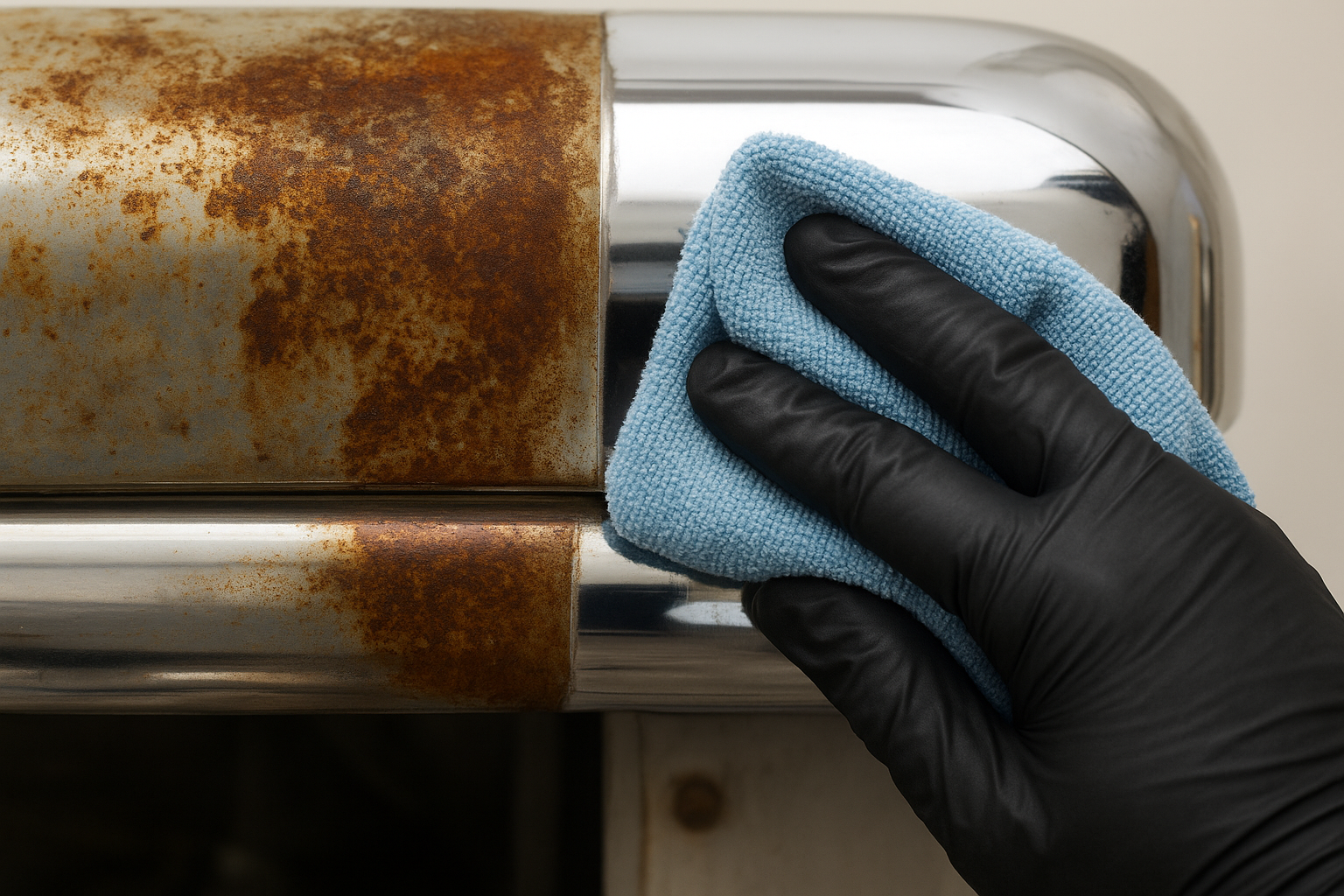
Steel Lines Rusted steel lines are harder to fix.
- Nylon Repair Kits: You can cut out the rusted section and splice in a flexible nylon fuel line using compression fittings. This is a permanent, safe solution used by many shops.
- Compression Unions: For small sections, a steel-to-steel compression union can work, but ensure it is rated for high-pressure fuel systems. Never use rubber hose and clamps to patch a high-pressure steel line; the pressure can blow the hose right off the smooth metal tube.
Fix Leaking Fuel Injector Issues
If the leak is coming from the top of the engine, you likely need to fix leaking fuel injector seals. Each injector has rubber O-rings at the top (where it meets the fuel rail) and bottom (where it meets the engine). Over time, these dry out and crack.
The Fix: Purchase an O-ring rebuild kit (usually under $10). Remove the fuel rail, pull the injectors, and swap the old rubber seals for new ones. Lubricate them with a little clean engine oil before re-installing to prevent tearing.
Symptoms of Injector Leaks A leaking injector doesn’t just drip fuel; it drops fuel pressure. This disrupts the air/fuel mix in the cylinder. If you are noticing a raw gas smell and wondering why is my car shaking at idle, the pressure loss is likely causing a cylinder misfire, making the engine run rough.
Conclusion
A fuel leak fix is non-negotiable. While epoxy putties and splice kits allow for effective DIY repairs on tanks and lines, safety must always be the priority. If you smell gas but cannot locate the source, or if the leak is directly above the hot exhaust system, do not drive the car. Tow it to a professional immediately. Saving a few dollars on a repair is never worth the risk of a vehicle fire.