






A generation that grew up swiping left and right now finds itself exhausted by the very apps that promised connection. Gen Z users report burnout rates approaching 80% on mainstream dating platforms, and many have started looking elsewhere. Sugar dating, once a fringe arrangement whispered about in certain circles, has moved into plain view. Seeking.com now counts more than 46 million users, with Arizona State University topping the list of schools represented on the platform in 2021. The reasons behind this growth are tangled up in how young people form relationships, how they talk about those relationships online, and what they actually want from another person.
The Dating App Problem
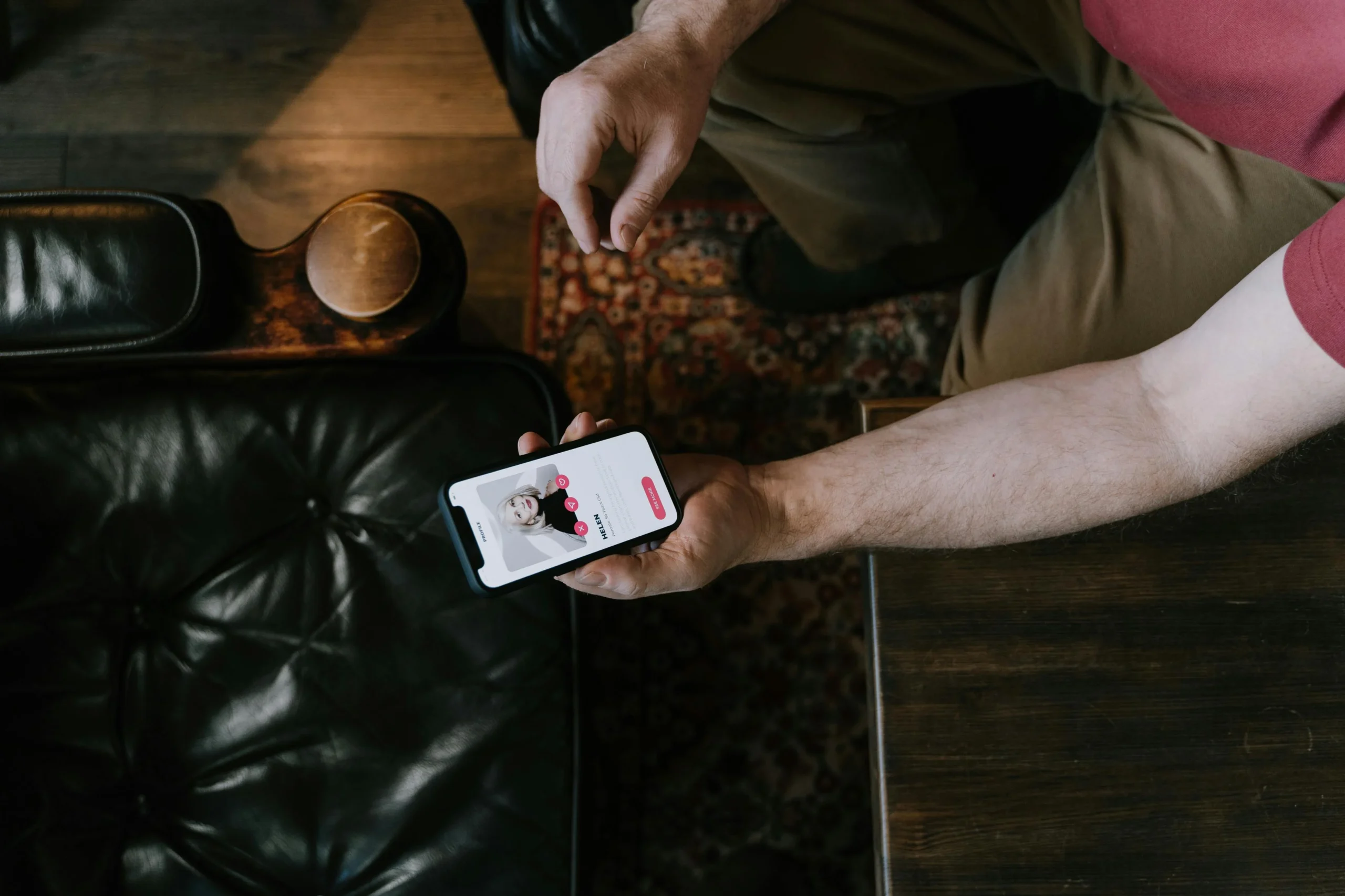
Gen Z daters are tired. A Forbes Health survey of 1,000 Americans found that 78% of respondents felt emotionally, mentally, or physically exhausted by dating apps. Among Gen Z specifically, 79% reported this burnout sometimes, often, or always. The apps designed to make meeting people easier have instead created a cycle of swiping, matching, messaging, and ghosting that leaves users drained.
Hinge markets itself as the app “designed to be deleted,” and Gen Z makes up more than 50% of its users. Yet the 2025 Gen Z D.A.T.E. Report from Hinge Labs, which surveyed approximately 30,000 users worldwide, found that 95% of Gen Z daters agonize over rejection. Among Gen Z men, 48% fear expressing emotion because they worry about being “too much.”
The numbers tell a story of a generation caught between wanting connection and fearing it. A survey by the Survey Center on American Life found only 56% of Gen Z adults had been in a romantic relationship during their teenage years. Compare this to 69% of millennials, 76% of Generation X, and 78% of baby boomers who dated during adolescence. Gen Z is entering adulthood with less romantic practice than any generation before them.
Unconventional Arrangements and the Search for Clarity
Gen Z daters report high levels of burnout with mainstream apps. A Forbes Health survey found 79% of Gen Z responders felt exhausted by dating apps sometimes, often, or always. This fatigue has pushed some toward relationships with clearer terms, where expectations are stated upfront rather than decoded through endless swiping and ambiguous messaging.
The appeal of defined arrangements makes sense for a generation raised on transparency. Some users actively seek to find a younger sugar daddy as part of exploring alternatives to conventional dating. Seeking.com reported 46 million users by 2024, with college students representing a growing portion since the site began offering free premium memberships to those with university email addresses in 2010.
The TikTok Pipeline
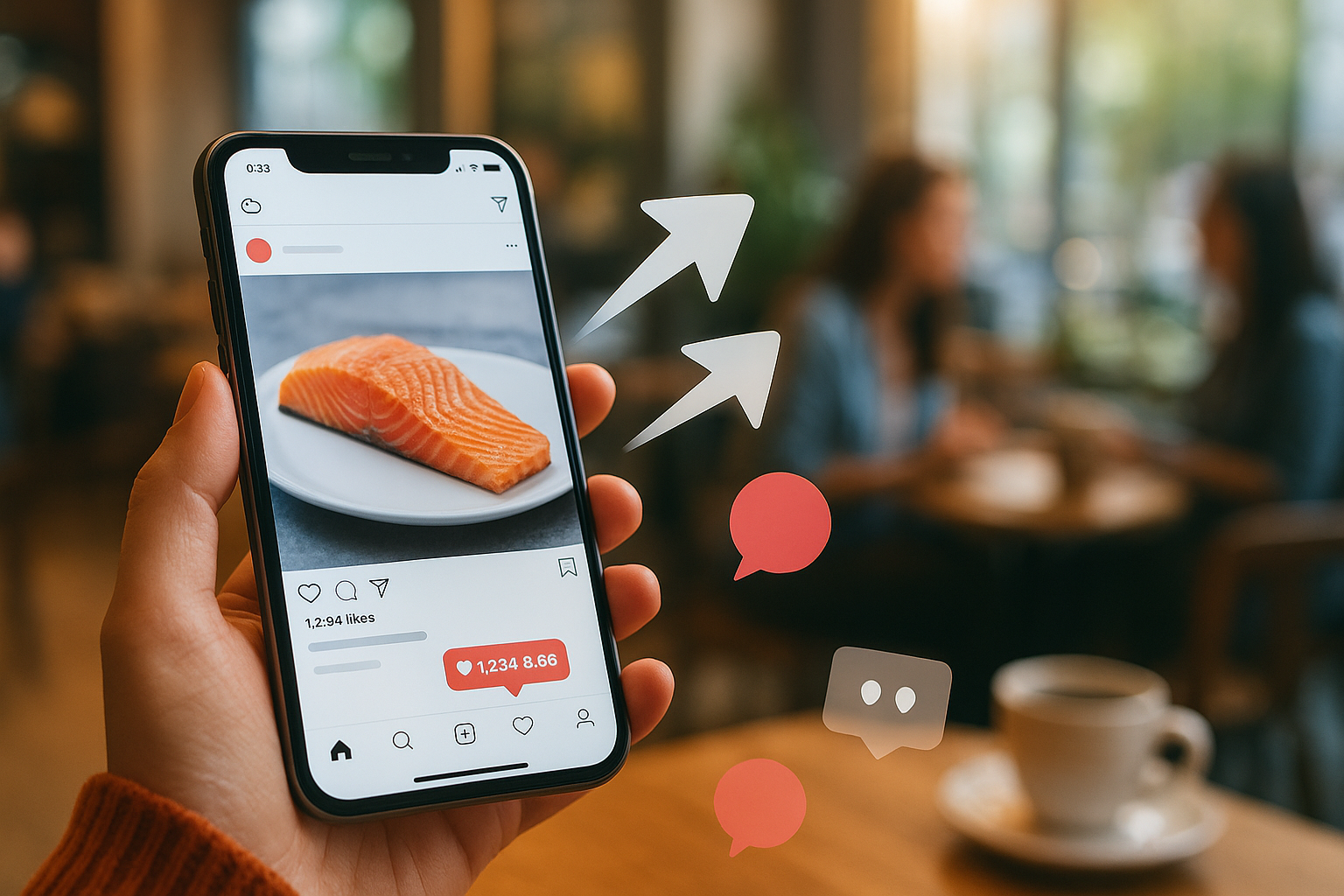
Videos tagged “sugar baby” have accumulated 2.5 billion views on TikTok. The algorithm pushes content glamorizing sugar daddy arrangements directly to users under thirty, according to a report from Villanova University’s CSE Institute. These videos show designer bags, first-class flights, and expensive dinners. The comments sections fill with questions about how to get started.
Dr. Jennie Rosier, Associate Professor at James Madison University’s School of Communication Studies, has researched how platforms like TikTok reshape Gen Z attitudes toward relationships. Her findings point to dismissive attachment patterns amplified by social media. Young people watch thousands of hours of content about relationships without forming many of their own.
The reality of sugar dating rarely matches the curated clips that populate feeds. But the gap between expectation and reality does not slow the growth. When conventional dating feels like a grind with no guaranteed outcome, an arrangement with stated terms can appear more honest by comparison.
A Generation Withdrawing From Traditional Intimacy
The 2024 General Social Survey analyzed by the Institute for Family Studies shows weekly sexual activity among U.S. adults aged 18 to 64 fell from 55% in 1990 to 37% in 2024. Among young adults aged 18 to 29, the share reporting no sex doubled from 12% to 24% between 2010 and 2024.
More than 1 in 3 Gen Z adult singles, roughly 37%, identify as celibate according to a 2025 study conducted by DatingAdvice.com in partnership with the Kinsey Institute. Time spent with friends has also collapsed. Between 2010 and 2019, the average weekly hours young adults spent with friends fell from 12.8 to 6.5. The pandemic dropped this to 4.2 hours. In 2024, the number stood at 5.1 hours per week.
Gen Z is pulling back from in-person connection across the board. Romantic relationships, friendships, casual encounters. All have declined. Sugar dating offers something different: a structure where both parties state what they want before meeting. For people who find ambiguity exhausting, this holds appeal.
Campus Culture and Student Sign-Ups
Arizona State University led SeekingArrangement’s list of top Sugar Baby Universities in January 2021, with 2,680 registered students. The coronavirus pandemic pushed many students off campus and into uncertain housing and living situations. A survey at the time found 49% of students agreed college was not worth the price after schools adopted online-only policies. Registrations on SeekingArrangement continued climbing through this period.
The platform began offering free Premium Memberships to students who registered with university email addresses back in 2010. By January 2013, the website had 2 million users, with 44% being college students. The pipeline from campus to sugar dating has existed for over a decade now, but Gen Z has pushed those numbers higher than ever.
Gen Z carries $22,948 in average student loan debt, the lowest among generations. But they represent 28.2% of all student borrowers, the second-largest generational segment. Some 13.1 million Gen Zers hold student loan debt, representing 43.5% of Gen Z adults aged 18 and older. Monthly payments hit this generation hardest. Empower survey data found Gen Z participants pay an average of $526 per month toward student loans, nearly double the overall average of $284 across all age groups.
With 84% of Gen Z student loan holders putting off major investments like buying a home or starting a business, the financial pressures on this generation shape decisions in ways that previous generations did not face at the same age.
Sexual Diversity and Alternative Relationship Models
Gen Z is the most sexually diverse generation on record. Twenty-eight percent of Gen Z adults aged 18 to 25 identify as LGBTQ, according to the Public Religion Research Institute. This compares to 16% of millennials, 7% of Generation X, and 4% of baby boomers.
Platforms catering to non-traditional relationships have grown alongside this generational openness. Feeld, an app aimed at people interested in ethical non-monogamy, polyamory, and casual connections, achieved 841,000 downloads in the first quarter of 2025, its highest number ever recorded according to Statista.
Sugar dating fits into a larger pattern of Gen Z questioning inherited relationship models. The conventional path of app match to date to relationship to marriage does not appeal to everyone. Some prefer arrangements with different structures, timelines, and expectations.
What They Actually Want
Research by the Kinsey Institute and DatingAdvice.com surveyed 2,000 single adults. Only 21.2% of Gen Z participants said apps were their primary way of connecting. Meanwhile, 58% said they were focused on meeting in person. Dr. Justin Lehmiller, a senior research fellow at the Kinsey Institute, told Newsweek that most Gen Z users do not want to use technology to find love despite growing up with it everywhere.
The Hinge 2025 report found 84% of Gen Z users want new ways to build emotional intimacy. Hesitation, gendered expectations, and a lack of meaningful conversation on dates hold them back. The gap between what Gen Z wants and what conventional dating delivers keeps widening.
Sugar dating fills part of that gap for some users. It removes certain ambiguities. Both parties enter knowing the basic terms. For a generation exhausted by mixed signals and unclear expectations, stated terms can feel like relief.
Major dating apps have started losing users. A 2024 Ofcom report found Tinder lost 594,000 users in the U.K. between May 2023 and May 2024. Bumble dropped by 368,000 and Hinge by 131,000 over the same period. The model that dominated dating for the past decade shows cracks.
Gen Z is not abandoning relationships. They are abandoning certain approaches to relationships that do not work for them. Sugar dating represents one alternative among many. The numbers suggest it is an alternative that growing numbers of young people are willing to consider.