







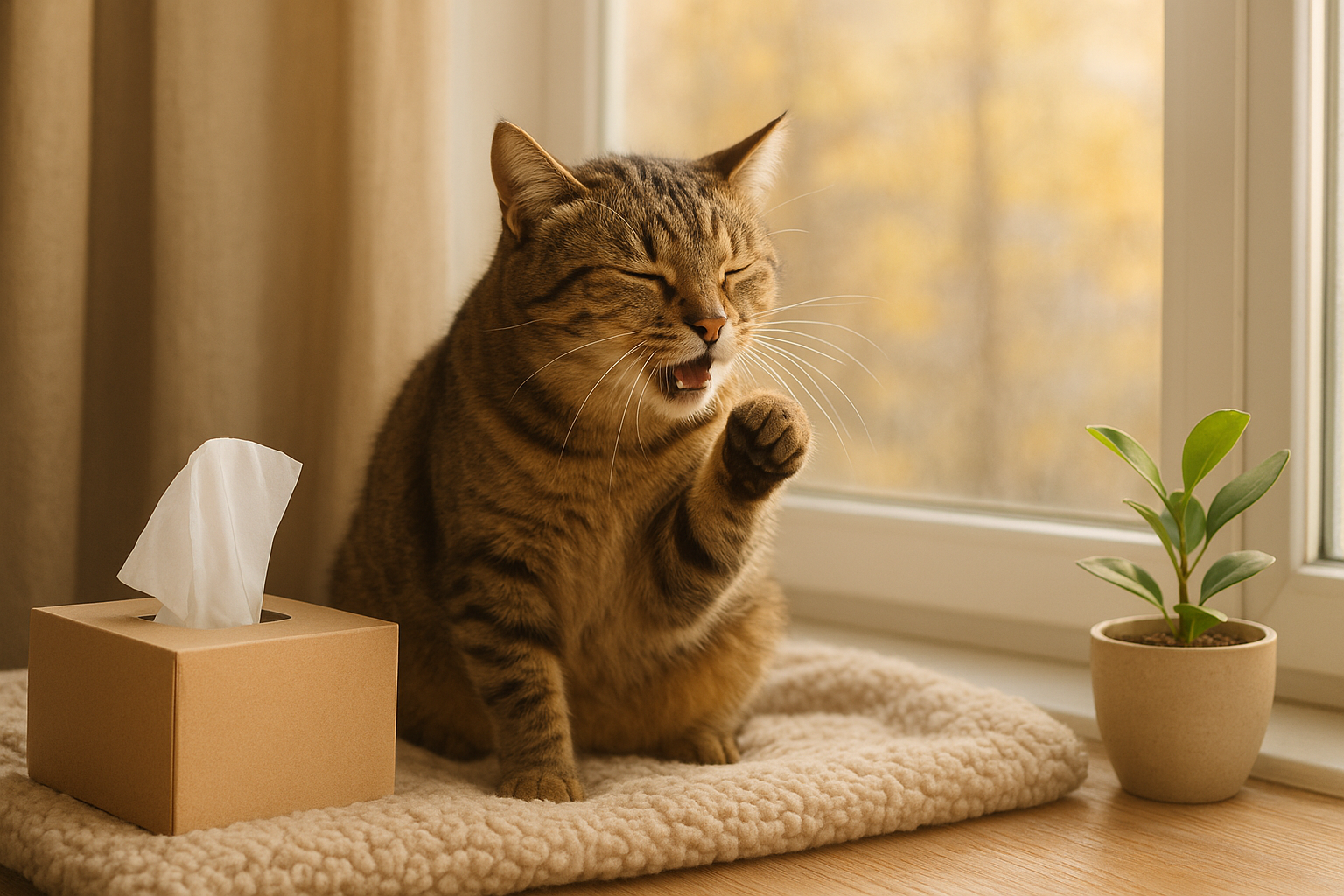
If you’ve noticed your cat sneezing frequently, you’re not alone. Sneezing in cats is a common occurrence, but understanding why your cat sneezes is essential to ensuring their health and comfort. While occasional sneezes are usually harmless, persistent or severe sneezing can indicate underlying issues that require attention.
Cats rely heavily on their sense of smell, making their nasal passages sensitive to environmental irritants and infections. From mild dust allergies to viral infections, there are several reasons your feline friend might be sneezing.
Common Causes of Cat Sneezing
Upper Respiratory Infections (URI)
Upper respiratory infections are among the most common causes of sneezing in cats. Viruses such as feline herpesvirus or calicivirus can trigger symptoms including sneezing, watery eyes, and nasal discharge. Cats in multi-pet households are especially vulnerable.
Allergies
Just like humans, cats can suffer from allergies. Pollen, dust, mold, or household chemicals can irritate the nasal passages, causing frequent sneezing. Observing when and where sneezing occurs can help identify potential allergens.
Environmental Irritants
Cats are sensitive to irritants like cigarette smoke, perfumes, or cleaning sprays. Even a single exposure can lead to multiple sneezes. Maintaining a clean and well-ventilated environment is key.
Foreign Objects
Sometimes, sneezing is triggered by grass, dirt, or tiny particles lodged in the nasal passages. Persistent sneezing, pawing at the nose, or nasal discharge could indicate a foreign object that needs veterinary attention.
When Sneezing May Signal a Serious Problem
If your cat exhibits coughing and sneezing together, it could point to a more serious respiratory issue. Watch for signs like:
- Yellow or green nasal discharge
- Lethargy or decreased appetite
- Wheezing or difficulty breathing
Just as maintaining overall wellness is crucial for humans, monitoring your cat’s sneezing patterns can help detect early health issues. Occasional sneezing is often harmless, but frequent or severe episodes require professional evaluation.
How to Help a Sneezing Cat at Home
For minor sneezing episodes caused by irritants or mild allergies, you can try:
- Keeping your cat’s environment clean and dust-free
- Using a humidifier to ease nasal congestion
- Encouraging hydration with fresh water or wet food
- Avoiding strong scents, smoke, or harsh chemicals
These simple measures can reduce sneezing frequency and improve your cat’s comfort.
When to See a Veterinarian
Consult a vet if your cat:
- Sneezes persistently for more than a week
- Has nasal discharge or colored mucus
- Shows signs of coughing, fever, or lethargy
Veterinarians can provide medications, identify infections, and ensure your cat’s respiratory health is properly managed.
Preventive Measures for Sneezing Cats
Prevention is always better than cure. Key steps include:
- Regular veterinary check-ups and vaccinations
- Keeping your home clean and free from allergens
- Limiting exposure to outdoor dust or pollen
- Providing a balanced diet and fresh water to strengthen immunity
By monitoring symptoms and taking preventive measures, you can keep your cat happy and healthy.
Conclusion
Cats sneeze for many reasons, from mild irritants and allergies to viral infections. Understanding why cats sneeze and when to seek veterinary care is essential for their well-being. Occasional sneezing is usually harmless, but persistent symptoms should never be ignored. Monitoring, prevention, and timely care can make all the difference in keeping your feline companion healthy.