




Driving technology has come a long way, and the rise of automated manual transmission (AMT) systems is transforming the way we experience vehicles. Combining the efficiency of a manual gearbox with the convenience of automation, AMTs offer drivers a smarter, more adaptable driving solution. But what exactly is an automated manual transmission, and how does it differ from traditional gear systems?
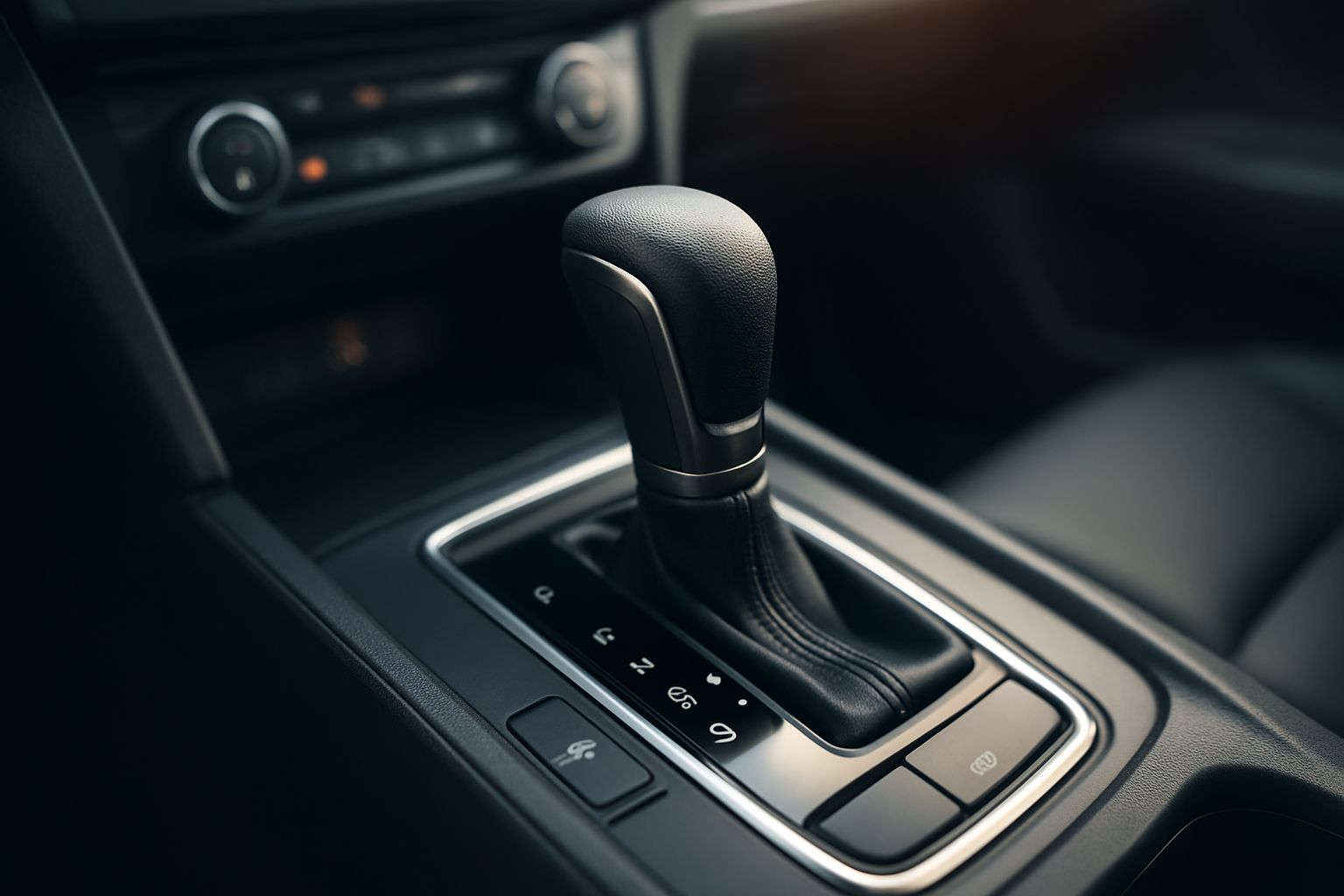
An automated manual transmission allows the car to handle clutch operation and gear shifting electronically while retaining the mechanical structure of a manual gearbox. This blend provides fuel efficiency, smoother operation, and reduced driver fatigue—especially in urban traffic.
How Does an Automated Manual Transmission Work?
At its core, an AMT uses a traditional manual gearbox, but the clutch and gear shifts are controlled by an electronic system. Sensors and actuators monitor engine speed, vehicle speed, and driver input to determine the optimal gear.
- Clutch Automation: The electronic control unit (ECU) manages clutch engagement and disengagement, eliminating the need for the driver to press a pedal.
- Gear Shifting: Actuators shift gears based on speed, load, and driving conditions.
- Manual Override: Many AMTs feature a manual in automatic transmission mode, allowing drivers to take control when needed, such as on steep hills or during overtaking.
- Auto Shift Manual Function: Some systems automatically select the ideal gear while still giving drivers the option to manually shift if desired.
Much like how automation tools streamline repetitive industrial tasks, AMT systems reduce the manual effort of driving while optimizing performance and efficiency.
Advantages of an Automated Manual Transmission
AMTs combine the best of both worlds, providing several key benefits:
- Fuel Efficiency: AMTs are generally more fuel-efficient than traditional automatic transmissions due to precise gear selection and minimal energy loss.
- Reduced Driver Fatigue: Electronic clutch control and automated shifting make stop-and-go traffic much easier to handle.
- Lower Maintenance Costs: Unlike conventional automatics, AMTs have fewer hydraulic components, reducing potential points of failure.
- Enhanced Performance: Gear shifts are precise and consistent, improving acceleration and driving smoothness.
Internal Linking Opportunity #1:
“Just as industries are adopting AI-powered automation to enhance efficiency, AMT systems optimize driving by using electronic controls to manage clutch and gear operations seamlessly.”
Link suggestion: https://therednews.co.uk/apex-automated/
Common Applications of AMT
Automated manual transmissions are found in a variety of vehicles:
- Urban Commuter Cars: Simplify city driving with reduced clutch effort.
- Commercial Vehicles: Improve fuel efficiency and ease of operation for delivery trucks and vans.
- Performance Vehicles: Provide precise gear changes without the manual effort, ideal for sports driving.
AMTs are especially valuable in traffic-heavy areas where constant clutch operation in traditional manuals can be tiring.
Manual vs Automated Manual Transmission
Understanding the difference between AMT and other transmission types is essential:
- Manual Automatic: AMTs retain the manual gearbox but automate the clutch and shifting.
- Manual in Automatic Transmission: Drivers can override the system for full control when desired.
- Traditional Manual: Requires complete driver control of clutch and gear changes.
Choosing between AMT and other systems depends on driving style, city infrastructure, and preference for fuel efficiency versus full manual control.
Challenges and Considerations
While AMTs offer convenience, there are a few considerations:
- Learning Curve: Drivers transitioning from conventional manuals may need time to adapt.
- Initial Cost: Slightly higher purchase or subscription costs compared to basic manual gearboxes.
- Technical Complexity: Advanced software and actuators may require specialized servicing for repairs.
Overall, the benefits of smoother, more efficient driving often outweigh these challenges.
The Future of Automated Manual Transmissions
AMTs are evolving alongside hybrid and electric vehicles:
- Adaptive Shifting: AI-powered systems can adjust gear patterns based on driving habits.
- Integration with Semi-Autonomous Driving: Future vehicles may combine AMTs with self-driving features for optimized city commuting.
- Energy Efficiency: Integration with hybrid systems allows smoother power delivery and improved fuel savings.
Internal Linking Opportunity #2:
“Similar to automated software platforms optimizing workflow efficiency, AMTs use sensors and electronic controls to deliver adaptive and energy-efficient driving performance.”
Link suggestion: https://therednews.co.uk/automation-finder/
Conclusion
An automated manual transmission is a perfect blend of convenience, efficiency, and control. By combining traditional manual gear mechanics with automated clutch and gear operation, AMTs offer fuel efficiency, reduced fatigue, and enhanced driving performance. For urban commuters, commercial drivers, and performance enthusiasts, AMTs provide a smart, adaptable, and future-ready driving solution.