





Life can become remarkably predictable. Wake up. Go to work. Answer emails. Run errands. Make dinner. Watch television. Go to bed. Then do it all again tomorrow.
Routine has its benefits, but too much of it can leave us feeling as though we’re simply going through the motions. One way to shake things up is to seek out novel experiences: activities that are unfamiliar, slightly challenging, or simply different from our normal routine. For some people, that might mean taking a cooking class or visiting a new city. For others, it might mean doing something a little more unusual, such as joining a ghost tour.
Beyond the obvious entertainment value, trying something new can engage the brain, encourage social interaction, and temporarily pull our attention away from everyday worries. A spooky evening exploring a historic neighborhood might be just the change of scenery your mind needs.
Why Novelty Helps the Brain
Our brains are naturally responsive to new experiences. When we encounter something unexpected or interesting, reward-related brain systems become engaged, including pathways involving dopamine. Dopamine is associated with motivation, learning, attention, and the anticipation of rewarding experiences.
That doesn’t mean taking a ghost tour automatically makes you happier. But seeking out interesting experiences can give your brain something new to process and anticipate, which can make life feel more engaging.
Breaking the Routine
Doing the same things every day can put us into what feels like autopilot. We know the route to work, the grocery store, and our favorite coffee shop. We know what the evening television schedule looks like. Novel experiences interrupt that pattern.
Suddenly, you’re walking down an unfamiliar street at night, listening to a guide describe a building’s history and wondering what you’ll encounter around the next corner. Your brain has to pay attention because the experience isn’t predictable. That change of pace can be refreshing, particularly when your normal routine has become stressful or monotonous.
Staying in the Present
Novel experiences can also encourage you to pay attention to what’s happening right now. When you’re exploring an unfamiliar place, your senses naturally become more engaged. You notice the architecture, the sounds around you, the people you’re with, and the story being told by your guide.
In other words, you’re participating rather than simply going through a familiar routine.
That isn’t quite the same thing as formal mindfulness meditation, but it can have a similar benefit: Your attention is temporarily anchored to the present instead of constantly wandering toward yesterday’s problems or tomorrow’s worries.
The Special Benefits of Ghost Tours
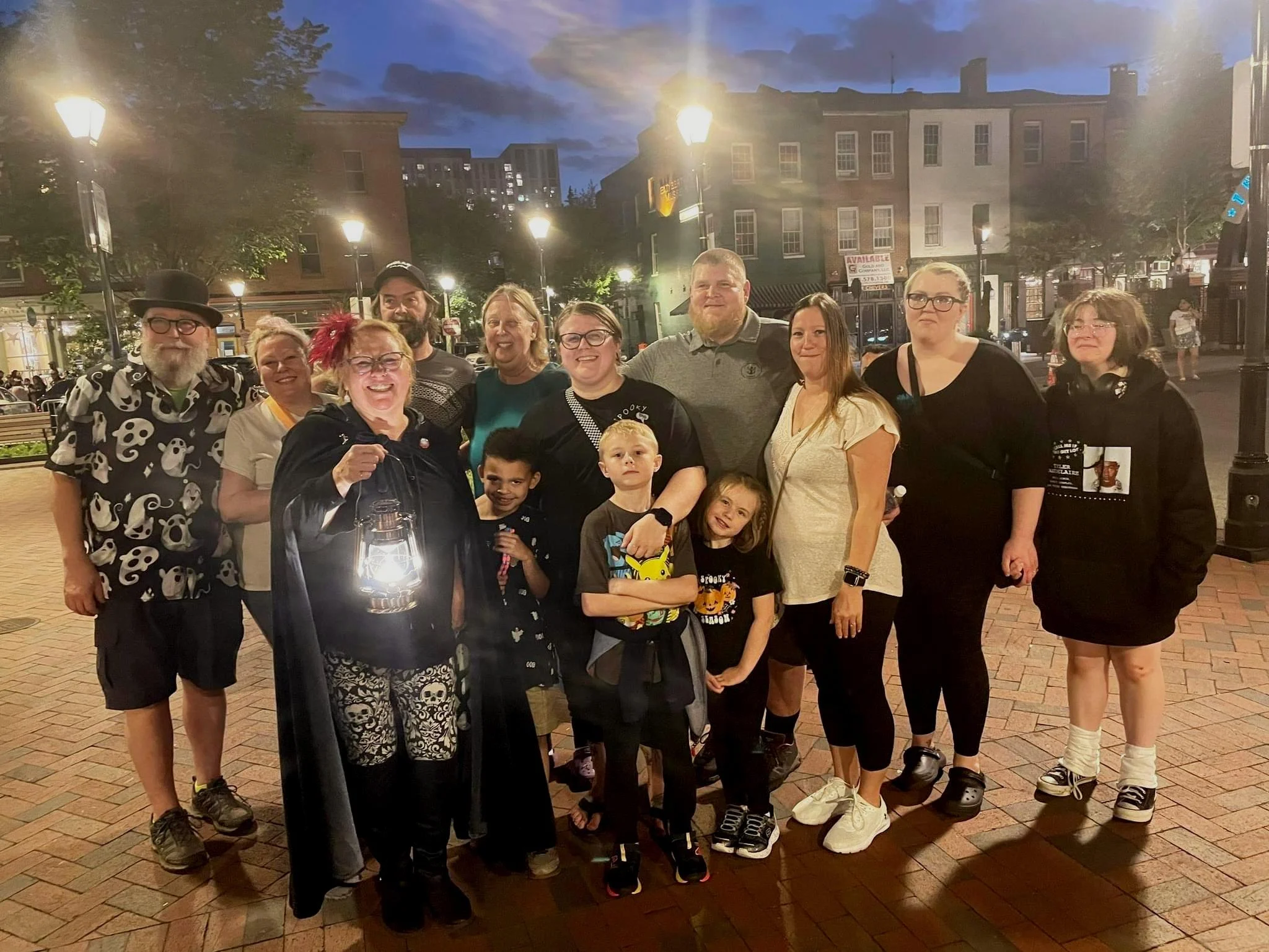
So what makes an interesting spooky novel experience? Part of the answer is that ghost tours combine several psychologically engaging ingredients: storytelling, suspense, exploration, social interaction, and a controlled dose of fear.
Shared Excitement
Being slightly frightened with other people can be surprisingly fun. A strange sound, creepy story, or dark alley might produce nervous laughter, a gasp, or someone instinctively moving a little closer to the rest of the group. Those shared reactions create a sense that everyone is experiencing the same adventure.
Even if nobody actually believes they’ve encountered a ghost, the experience can provide plenty of opportunities for laughter and conversation.
Collective Effervescence
Sociologists and psychologists sometimes use the term “collective effervescence” to describe the heightened sense of energy, emotional connection, and unity that can emerge when people participate in an experience together. Concerts, sporting events, religious gatherings, festivals, and other group experiences can produce this feeling.
A ghost tour can create a much smaller version of the same phenomenon. A group of strangers becomes temporarily united by a common experience: walking through a historic location, listening to the same story, and reacting together to the suspense. For someone who spends much of the week working alone or interacting primarily through screens, that face-to-face connection can be refreshing.
A Healthy Distraction
Sometimes you simply need something else to think about. A ghost tour won’t solve depression, anxiety, grief, or other mental-health challenges, and it shouldn’t be treated as a replacement for professional care. But an engaging activity can provide a temporary break from repetitive thoughts.
For an hour or two, instead of worrying about work, bills, household responsibilities, or tomorrow’s schedule, you’re thinking about a haunted hotel, a mysterious disappearance, or the history of an old cemetery. That temporary mental escape can be enjoyable and restorative.
Building Confidence One Adventure at a Time
Novel tour experiences can also provide small opportunities to build confidence.
Stepping Outside Your Comfort Zone
If you’re nervous about doing something unfamiliar, choosing to do it anyway can provide a modest sense of accomplishment. Maybe you’ve never taken a nighttime walking tour. Maybe you don’t usually visit unfamiliar neighborhoods. Maybe you’re simply not comfortable with scary stories. Showing up and participating gives you an opportunity to discover that you can handle more unfamiliar situations than you thought.
Feeling Accomplished
There is also something satisfying about completing an experience. You walked the tour. You learned the history. You explored somewhere new. You survived the creepy basement or the supposedly haunted alley. It may sound trivial, but small accomplishments can contribute to a greater sense of confidence and curiosity. One adventure can make the next one seem easier.
Encouraging Mental Flexibility
Novel experiences also expose us to unfamiliar sights, stories, people, and ideas. That can encourage us to look at the world from different perspectives. A historic building isn’t simply an old building anymore; it has a story. A supposedly haunted location might introduce you to local history you never knew existed. A legend might lead you to investigate what actually happened. That combination of curiosity and exploration can encourage flexible thinking.
Make Room for Something Unexpected
A big part of mental wellness is creating room for curiosity, connection, enjoyment, and meaningful experiences. A ghost tour won’t magically improve your mental health, but it can check several boxes that are good for the mind: novelty, social connection, engagement, laughter, exploration, and a temporary break from routine.
So the next time life starts feeling like the same day repeated over and over, consider doing something different. Take the unusual tour. Explore the historic neighborhood. Listen to the strange story. Laugh with the people around you.
And if the guide says the building is haunted? Well, that’s all the more reason to keep walking.