






A garden should be a place to relax, enjoy fresh air, and spend time with family, not a space that constantly demands attention. For many homeowners, outdoor maintenance can become tiring, especially when lawns, borders, paths, and seating areas all need regular care.
The good news is that a garden does not need a full redesign to become easier to manage. A few simple upgrades can reduce weekly work, improve the look of the space, and make the garden more practical throughout the year. Whether the area is large, small, modern, or traditional, the right changes can help create an outdoor space that fits better around everyday life.
Start With a Low-Maintenance Lawn
The lawn is often the most time-consuming part of a garden. Natural grass needs mowing, watering, feeding, edging, weeding, and repairing. In wet weather, it can become muddy. In dry weather, it can turn yellow or patchy. If children or pets use the garden regularly, worn areas can appear even faster.
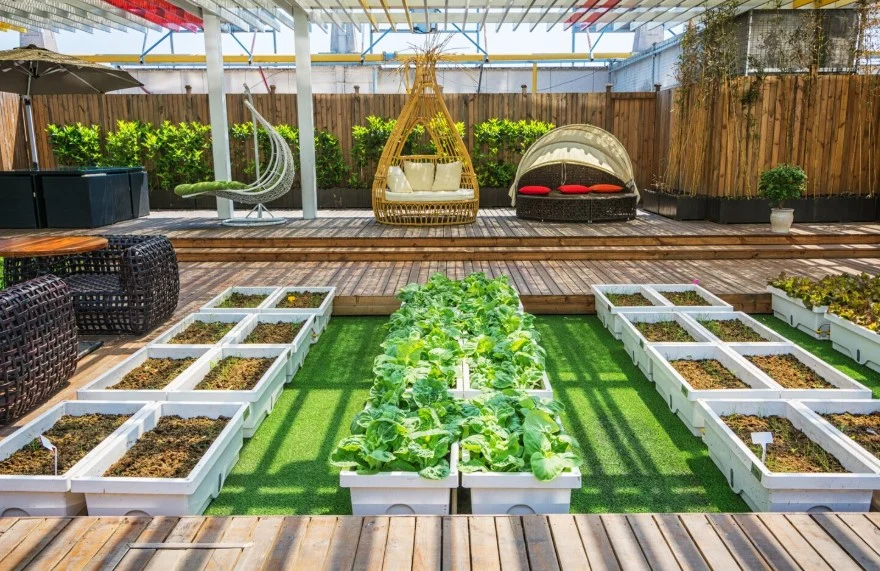
One practical upgrade is to replace difficult turf with artificial grass for outdoor spaces. This can help create a cleaner, greener surface that needs far less care than real grass. There is no mowing, no watering, and no need to worry about muddy patches after rain.
For busy homeowners, this can make the whole garden feel easier to manage. A tidy lawn also improves the appearance of the space, making patios, borders, furniture, and planters look more organised.
Add Clear Garden Edging
Garden edging is a simple feature, but it can make a big difference. Without clear edges, soil, gravel, grass, and plants can spread into each other, making the garden look messy. Defined borders help keep each area in place and reduce the amount of tidying needed.
Edging can be used around lawns, flower beds, paths, patios, and raised planters. Materials such as timber, stone, brick, metal, or composite edging can all work depending on the garden style.
Clear edging also makes maintenance easier because it creates a neat boundary. This means less time trimming overgrown edges and more time enjoying the outdoor space.
Choose Plants That Need Less Attention
Plants bring colour, texture, and life to a garden, but some need more care than others. If the goal is to reduce maintenance, it helps to choose hardy plants that suit the local climate and soil conditions.
Evergreen shrubs, ornamental grasses, lavender, rosemary, ferns, and slow-growing perennials can be good options for many gardens. These plants often need less watering and pruning than delicate seasonal flowers.
Grouping plants with similar needs also helps. For example, placing drought-tolerant plants together can make watering easier and more efficient. This keeps the garden attractive without creating too much extra work.
Use Mulch to Control Weeds
Weeds can quickly make a garden look untidy. Pulling them out every week can become frustrating, especially in flower beds and around shrubs. Adding mulch is a simple way to reduce weed growth while improving the look of planted areas.
Mulch can be made from bark, wood chips, gravel, compost, or decorative stone. It covers the soil, helps retain moisture, and makes it harder for weeds to grow.
This small upgrade can save a lot of time over the year. It also gives borders a cleaner finish, which makes the whole garden look more cared for with less effort.
Create Easy-Clean Seating Areas
Outdoor seating areas are useful for relaxing, eating, or entertaining, but they should be easy to look after. If furniture is placed directly on soft ground or natural grass, the area can become uneven, muddy, or difficult to clean.
A patio, deck, gravel section, or artificial lawn area can create a more practical base for garden furniture. These surfaces are easier to sweep, rinse, and maintain than bare soil or worn turf.
When planning garden seating, it is also worth choosing furniture that can handle outdoor weather. Materials such as aluminium, treated wood, rattan-style furniture, and weather-resistant cushions can reduce the amount of care needed.
Improve Paths and Walkways
A clear path helps protect the garden from unnecessary wear. Without a proper walkway, people may walk across the lawn or through planted areas, causing damage over time.
Simple paths made from stepping stones, gravel, paving slabs, or decking boards can guide movement through the garden. They also make the space easier to use during wet weather.
Paths are especially helpful in gardens that connect to sheds, side gates, seating areas, or children’s play spaces. They keep foot traffic away from softer areas and help the garden stay tidier.
Try Samples Before Making Big Changes
When upgrading a garden surface, it is always worth checking colours, textures, and materials before making a final choice. What looks good online may appear different in natural daylight.
For lawn upgrades, free artificial grass samples can help homeowners compare pile height, colour, softness, and overall appearance before choosing a style. This is especially useful when matching artificial grass with paving, decking, fencing, or planting.
Testing samples in the actual garden can make the final decision easier and reduce the risk of choosing a surface that does not suit the space.
Reduce Open Soil Areas
Open soil can lead to weeds, mud, and regular maintenance. Covering exposed soil with plants, gravel, bark, paving, or ground cover can help keep the garden cleaner and easier to manage.
Ground cover plants can soften borders while reducing bare patches. Gravel and decorative stones can work well in modern gardens or around low-maintenance planting schemes. Raised beds can also help keep soil contained and organised.
The less exposed soil there is, the less time homeowners usually spend dealing with weeds, splashes, and messy areas.
Plan for Practical Drainage
Poor drainage can make any garden harder to maintain. Waterlogged lawns, muddy corners, slippery paths, and damp seating areas can all reduce how often the garden is used.
Simple drainage improvements may include levelling uneven areas, adding gravel sections, improving the lawn base, or making sure water can flow away from key spaces. For larger problems, professional advice may be needed.
Good drainage helps keep surfaces cleaner and makes the garden more reliable throughout the year.
Make the Garden Work for Everyday Life
A low-maintenance garden should match how the household actually uses the space. A family with children may need a clean play area. Pet owners may need a surface that is easy to rinse. Someone who enjoys entertaining may want a simple seating area and tidy lawn.
For bigger changes, artificial grass for landscaping projects can be part of a wider garden upgrade, especially when combined with patios, borders, paths, raised beds, or outdoor furniture. It helps create a neat foundation while reducing the ongoing work linked to natural grass.
The best garden upgrades are not always the most expensive ones. They are the changes that make the space easier to use and simpler to care for.
Final Thoughts
A garden can be beautiful without being difficult to maintain. By choosing low-care surfaces, simple edging, practical planting, clear paths, and easy-clean areas, homeowners can create an outdoor space that looks good with less effort.
Small upgrades can make a big difference. Whether it is replacing a high-maintenance lawn, adding mulch, improving drainage, or creating a better seating area, each change helps the garden become more practical. With the right planning, outdoor spaces can stay cleaner, greener, and more enjoyable throughout the year.