







The rapid globalization of remote employment and international tourism has turned reliable, continuous internet access into an absolute necessity. For digital nomads, corporate professionals, and frequent flyers, maintaining high-speed connectivity while navigating international borders remains a frustrating logistical hurdle. Public wireless networks at airports and cafes are notoriously unsecure, while traditional carrier roaming packages can accumulate exorbitant hidden fees.
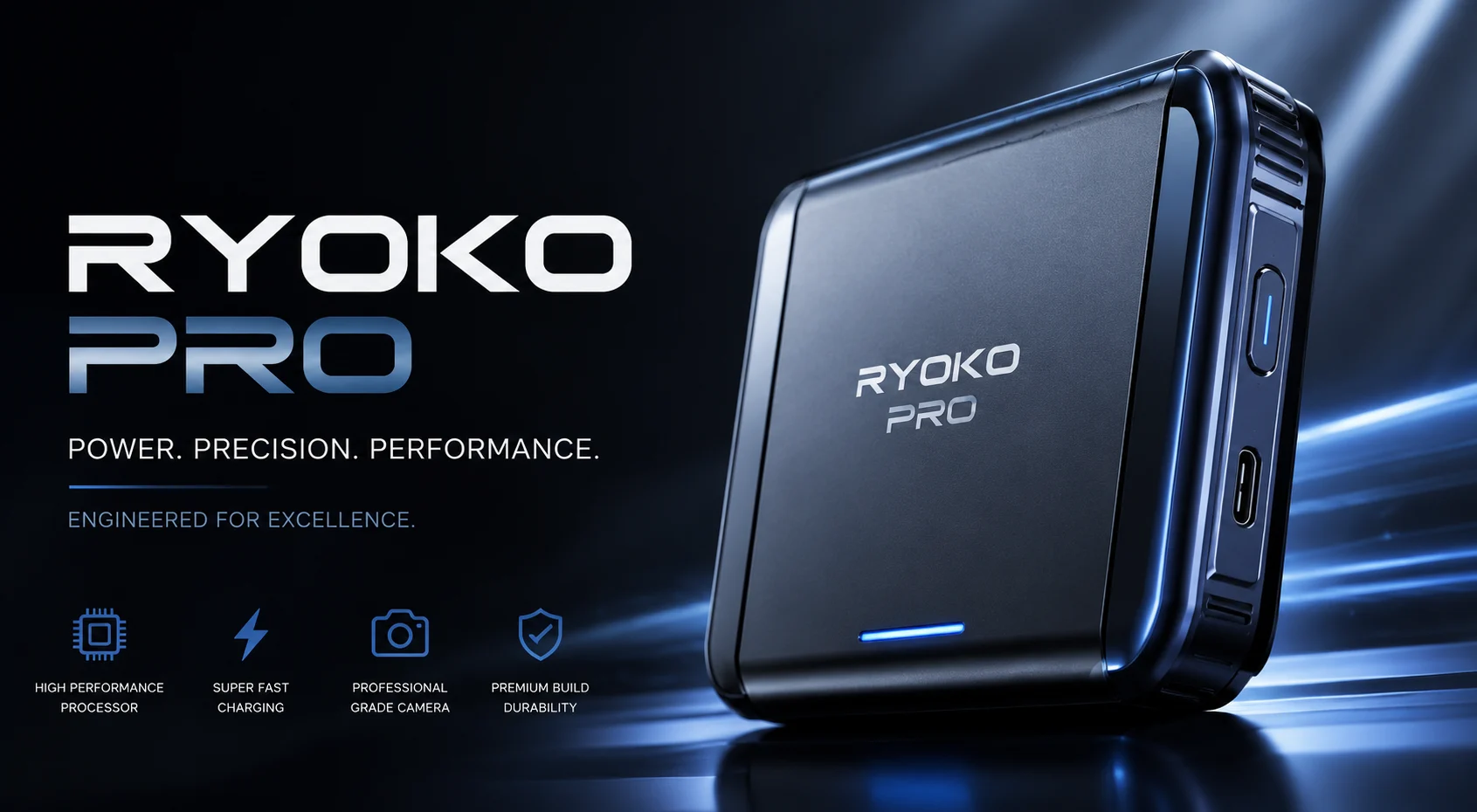
Stepping into this market gap is a compact gadget that has dominated social media feeds and targeted web ads: the ryoko pro. Frequently listed under various search inquiries as the ryoko pro portable wifi, this pocket-sized device promises an instantaneous, secure personal hotspot anywhere in the world.
However, aggressive marketing campaigns often obscure real-world execution. With millions of potential buyers typing in queries like ryoko pro reviews and is ryoko pro legit, it is clear that everyday consumers are looking for transparent, hardware-first testing data rather than promotional copy.
This comprehensive, independent analysis digs into the actual architecture of the device, its true operational costs, and user complaints to determine if it is a worthwhile travel companion or an overpriced data trap.
What is Ryoko Pro?
To understand its technical footprint, we must first answer a basic consumer question: what is ryoko pro?
The device—historically branded in its previous hardware iterations as the Muama Ryoko—is a highly portable, palm-sized 4G LTE wireless router. It functions as an internet bridge, transforming local cellular signals into a private local area network (LAN) for your personal hardware.
Core Hardware & Design Elements
- Dimensions & Portability: The unit features an ultra-compact, lightweight frame that slides effortlessly into a jeans pocket or travel backpack.
- Simplicity: Designed for non-technical users, it lacks complex configuration menus. A single power button control and a small LED indicator cluster manage the device’s operational status.
- Encrypted Architecture: Unlike wide-open public networks, the unit broadcasts a private, password-protected Wi-Fi connection utilizing standard WPA2 security protocols.
How Does Ryoko Pro Work?
When analyzing how does ryoko pro work, the hardware cuts out the most frustrating aspect of international travel: purchasing and configuration of foreign telecommunication SIM cards.
The device arrives out of the box equipped with a specialized, pre-installed global SIM card. When you turn on the power button, the internal modem initiates a handshake protocol with local cellular infrastructure. The internal software automatically searches for, evaluates, and establishes a connection with the strongest local 4G network partner available in that country.
Once this cell tower connection is solidified, the router begins broadcasting an independent, encrypted Wi-Fi network. Users scan the unique QR code printed on the back of the device with their smartphones or laptops to log in.
Crucially, the hardware supports multi-device connectivity. Up to 10 distinct devices—including smartphones, tablets, laptops, and smartwatches—can draw data from the single hotspot unit simultaneously, making it an effective tool for small groups or remote workers operating multiple production screens concurrently.
Ryoko Pro Price and Monthly Data Costs
A major source of consumer confusion surrounds the ryoko pro price structure and the recurring muama ryoko price per month model. Many promotional advertisements imply that buying the router grants you access to indefinite free internet. This is fundamentally incorrect. The initial transaction only covers the physical router hardware itself, which typically retails around $89 depending on active e-commerce discount cycles.
Once the hardware is delivered, users must buy data allowances to actually access the web. The device operates on a prepaid, tier-based top-up architecture managed via an online portal or a dedicated smartphone app.
The Reality of Data Allocations
- Preloaded Data: Standard initial purchases usually include a small complimentary data package (often 500MB or 1GB) to facilitate the out-of-box registration process.
- Top-Up Tiers: Data plans are purchased in fixed blocks (e.g., 1GB, 5GB, 10GB). The cost per gigabyte varies depending on the geographic zone you are occupying.
- The “Unlimited Data” Caveat: Online searches regarding muama ryoko unlimited data often reveal hidden friction points. True, unrestricted high-speed data is rarely provided. Most “unlimited” international options feature hidden Fair Usage Policies (FUP), meaning that once a daily or weekly data ceiling is breached, your connection speed is aggressively throttled down to sluggish 2G or 3G levels.
Budgeting for connectivity options is highly dependent on where you are traveling and how much data your workflow requires. When structuring an international itinerary, assessing your peripheral toolkit is just as critical as choosing your geographic endpoints. Knowing your connectivity overhead ahead of time can play a definitive role in deciding how to choose a travel destination that actually matches your travel style, ensuring you do not get stuck stranded in an off-grid location with high data costs and weak cellular footprints.
Does Ryoko Pro Really Work? Performance vs. Reality
When checking whether a device is viable for daily operations, answering the question does ryoko pro really work requires balancing practical physical testing against idealized laboratory environments.
AEO Featured Snippet Evaluation
Yes, the Ryoko Pro physically functions as a legitimate, highly competent 4G LTE mobile hotspot, providing maximum download speeds of up to 150 Mbps under optimal signal conditions. However, because its architecture relies completely on local cellular partner networks, its performance degrades severely in rural dead zones or congested metropolitan areas. Furthermore, its data rates are considerably higher than buying local carrier SIMs directly.
Battery Lifespan Expectations
The manufacturer notes extended standby times, but continuous multi-device browsing drains the internal battery in roughly 6 to 8 hours. While it charges quickly via a standard USB-C port, users planning a full 12-hour remote workday away from an electrical outlet will need to pack an external power bank.
Security in the Remote Space
For corporate compliance, using this pocket router is far superior to relying on open airport or hotel Wi-Fi networks. The private WPA2 encryption prevents packet-sniffing attacks, mitigating the risk of stolen passwords or compromised company data.
Ryoko Pro Reviews and Complaints: Real User Experiences
A meta-analysis of ryoko pro review columns and user forums highlights a distinct split between customer expectations and product limitations.
Common Positives Reported by Users
- Plug-and-Play Configuration: Travelers frequently praise the fact that they can step off a plane, turn on the device, and get an immediate connection without manually entering APN settings.
- Cross-Device Harmony: Users enjoy the convenience of keeping their phones, Kindles, and laptops connected to a single persistent network node rather than logging each device separately into individual hotel landing pages.
- Strong Network Switching: The internal roaming algorithms are generally proficient at jumping between local network towers as you move across transit lines.
Common Customer Complaints
- Aggressive Checkout Funnels: A recurrent criticism targets the official manufacturer website, which employs intense upselling tactics, tricking some users into subscribing to recurring monthly data automatic renewals by accident.
- Expensive Data Management: Heavy internet users—such as those streaming 4K video or downloading massive software asset packages—find that the cost of constantly refilling the prepaid data blocks adds up quickly compared to buying an affordable local data SIM card.
- Customer Service Hurdles: A noticeable volume of consumer complaints highlight difficulties reaching responsive customer support lines when attempting to activate the 30-day money-back guarantee or process a physical hardware return.
Despite the data pricing complaints, having an independent, portable Wi-Fi node is a smart safety strategy for traveling professionals. If your main connection drops, a pocket router serves as an exceptional secondary redundancy tool within a comprehensive corporate IT crisis management strategy, preventing sudden offline blackouts during vital corporate operations.
Final Verdict: Should You Buy the Ryoko Pro?
The Ryoko Pro is a well-built, highly functional piece of hardware, but it is not a universally perfect solution for every type of traveler.
Who It Is Perfect For:
- Casual tourists going on 1-to-2 week vacations who want immediate, zero-fuss internet for mapping and messaging.
- Business travelers who require a secure, private network to safely handle sensitive documents on public transit.
- Tech-averse individuals who want to avoid the headache of manually swapping SIM cards and configuring network settings.
Who Should Skip It:
- Data-heavy remote employees, video editors, and gamers who will burn through the prepaid data blocks in a matter of days.
- Budget-conscious long-term travelers who would be far better served purchasing an affordable regional eSIM or picking up a cheap local prepaid SIM card directly at their destination’s airport terminal.