





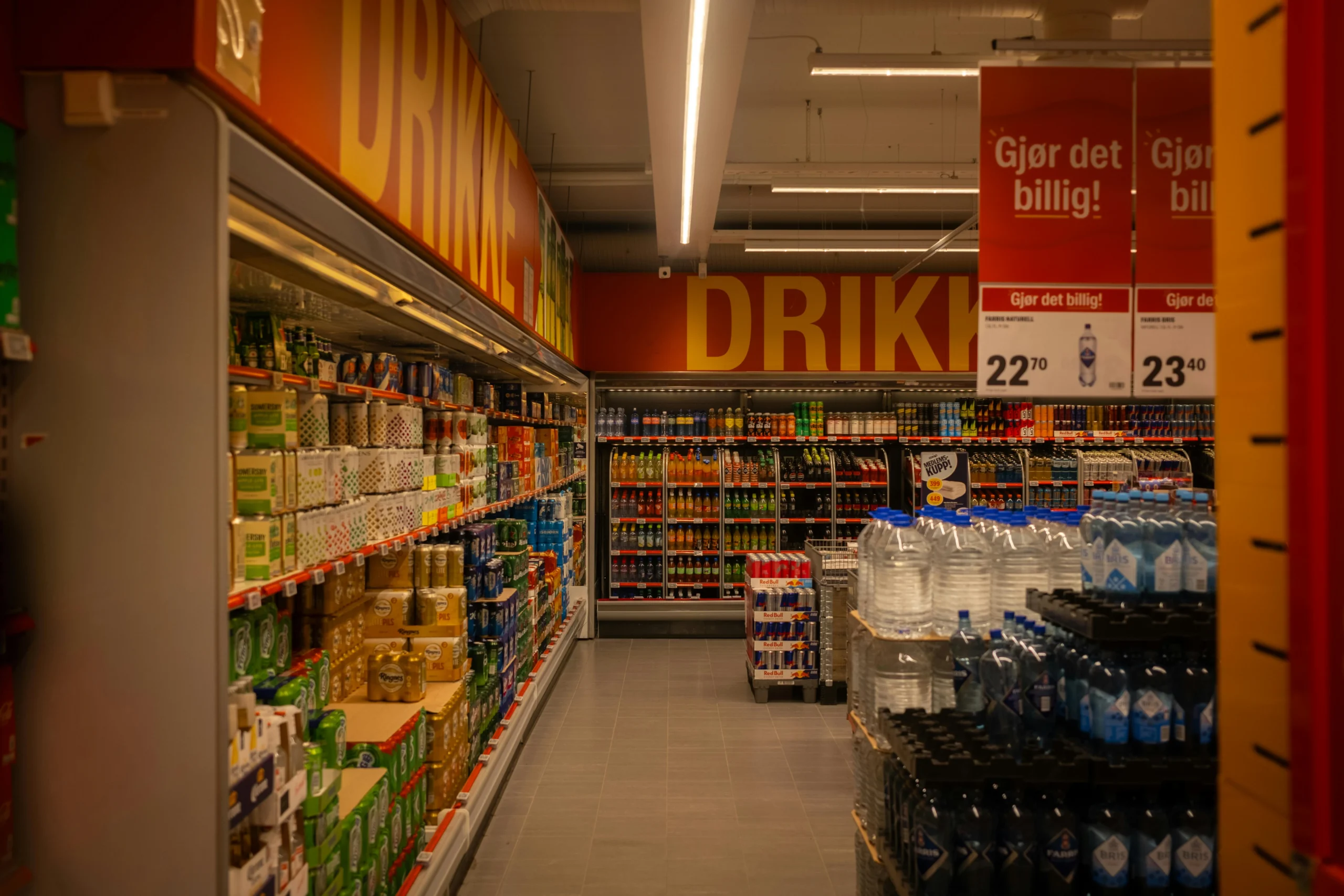
Retail stores compete for customer attention every second. Shelves are crowded, promotional signage appears in every aisle, and shoppers often make purchasing decisions quickly while moving through busy environments. In that setting, products that fail to stand out can easily be overlooked, even when pricing or quality is competitive.
That is one reason point of sale printing continues to play such an important role across modern retail spaces. Well-designed printed displays help brands capture attention where buying decisions actually happen rather than relying entirely on advertising outside the store.
From supermarkets and convenience stores to cosmetics counters and seasonal promotions, physical retail still depends heavily on visibility.
Why Printed Retail Displays Still Matter
Online marketing may encourage customers to visit a store, but in-store behaviour is often influenced by what shoppers see once they arrive. Retail studies regularly suggest that many impulse purchases happen inside the shop itself rather than being planned beforehand.
Because of this, brands continue investing in printed promotional materials that improve visibility at shelf level and throughout the wider store environment.
Point of sale printing is commonly used to:
- Highlight promotional pricing
- Support product launches
- Increase visibility for seasonal campaigns
- Reinforce branding
- Encourage impulse purchases
- Separate featured products from competitors
In busy retail environments, visibility directly affects engagement. Products that attract attention naturally receive more interaction than products hidden among crowded shelving.
Why FSDU Displays Remain Popular
FSDU stands for Floor Standing Display Unit.
These freestanding retail displays are designed to position products away from traditional shelving and place them in high-visibility areas throughout the store. Supermarkets and large retail chains frequently position FSDU units near:
- Store entrances
- Promotional aisles
- Checkout areas
- Seasonal display sections
- End-of-aisle locations
This placement creates stronger visual interruption while customers move through the space.
Unlike standard shelves where products compete side-by-side with multiple alternatives, FSDU displays allow brands to create a more focused presentation around one campaign or product category. That separation immediately increases visibility and often improves impulse purchase activity.
Retailers regularly use them for:
- Seasonal products
- Limited-time offers
- New product launches
- Multi-buy promotions
- Travel-size products
- Fast-moving consumer goods
Simple placement changes can significantly influence customer attention.
Visibility Often Matters More Than Display Size
Many businesses assume larger displays automatically perform better.
In reality, positioning is usually more important than scale alone.
An oversized display placed in a low-traffic area may receive less engagement than a smaller FSDU located near checkout queues or busy aisle intersections. Retail environments rely heavily on customer movement patterns, which means successful placement requires understanding how shoppers naturally navigate the space.
The strongest retail campaigns often focus on:
- Customer traffic flow
- Product accessibility
- Clean presentation
- Strong colour contrast
- Clear promotional messaging
Displays overloaded with excessive text or complicated graphics quickly become difficult to process. Simpler layouts generally perform better because customers absorb the information more quickly while moving through the store.
Poor Print Quality Can Damage a Promotion
Customers notice presentation immediately, even when they do not consciously analyse it.
Warped boards, faded colours, weak display structures, or damaged graphics can make promotions feel rushed or low quality. In physical retail, presentation strongly affects how products and brands are perceived.
This becomes particularly important during large-scale promotional campaigns where displays remain in place for extended periods.
For that reason, many brands choose more durable materials such as:
- Corrugated display board
- Foamex panels
- Laminated printed graphics
- Reinforced cardboard structures
The right material usually depends on:
- Campaign duration
- Product weight
- Store environment
- Transportation requirements
- Assembly needs
Longer campaigns generally require stronger display systems capable of maintaining appearance throughout the promotion period.
Cheap displays rarely maintain visual impact for long.
Retailers Prefer Displays That Are Easy to Manage
Practicality matters heavily inside retail spaces.
Store teams often work under significant time pressure, particularly during seasonal launches or nationwide campaign rollouts. Complex display systems that require lengthy assembly or difficult installation can quickly create operational problems.
That is one reason FSDU formats remain widely used across modern retail environments. Most units are designed to allow:
- Faster assembly
- Easier transportation
- Compact storage
- Simple product replenishment
Retailers generally prefer display systems that combine strong presentation with practical day-to-day usability.
A display that looks impressive but creates operational issues is far less likely to be reused successfully.
Why Brands Combine Different POS Materials
The most effective retail campaigns rarely rely on one display format alone.
Brands often combine point of sale printing with other promotional materials such as:
- Shelf wobblers
- Hanging signage
- Counter displays
- Window graphics
- Aisle fins
- Promotional posters
This layered approach creates multiple customer touchpoints throughout the store rather than depending on a single display location.
For example, overhead signage may attract attention from a distance while an FSDU display positioned nearby reinforces the promotion closer to the product itself. Together, the displays create a more connected customer journey through the retail environment.
Large FMCG brands regularly use this strategy during product launches and seasonal campaigns because coordinated visibility often produces stronger engagement.
Final Thoughts
Retail environments move quickly, and customer attention is limited. Products often have only a few seconds to stand out before shoppers move towards competing alternatives nearby.
Professionally produced point of sale printing helps brands improve visibility where purchasing decisions are already happening. Combined with well-positioned FSDU displays, businesses can create stronger in-store presence, encourage impulse purchases, and support more effective retail promotions across competitive shop environments.
Author Bio: Nimesh Kerai
Nimesh Kerai is the Printing Expert at Foamex Printing Company, London. He has been in the printing industry for quite a few years, which reflects in the skill with which he executes each project. He has played a significant role in the company’s reputation as one of the highest-quality foamex printers in the vicinity. He often shares his far-reaching industry knowledge with curious readers through engaging blogs.