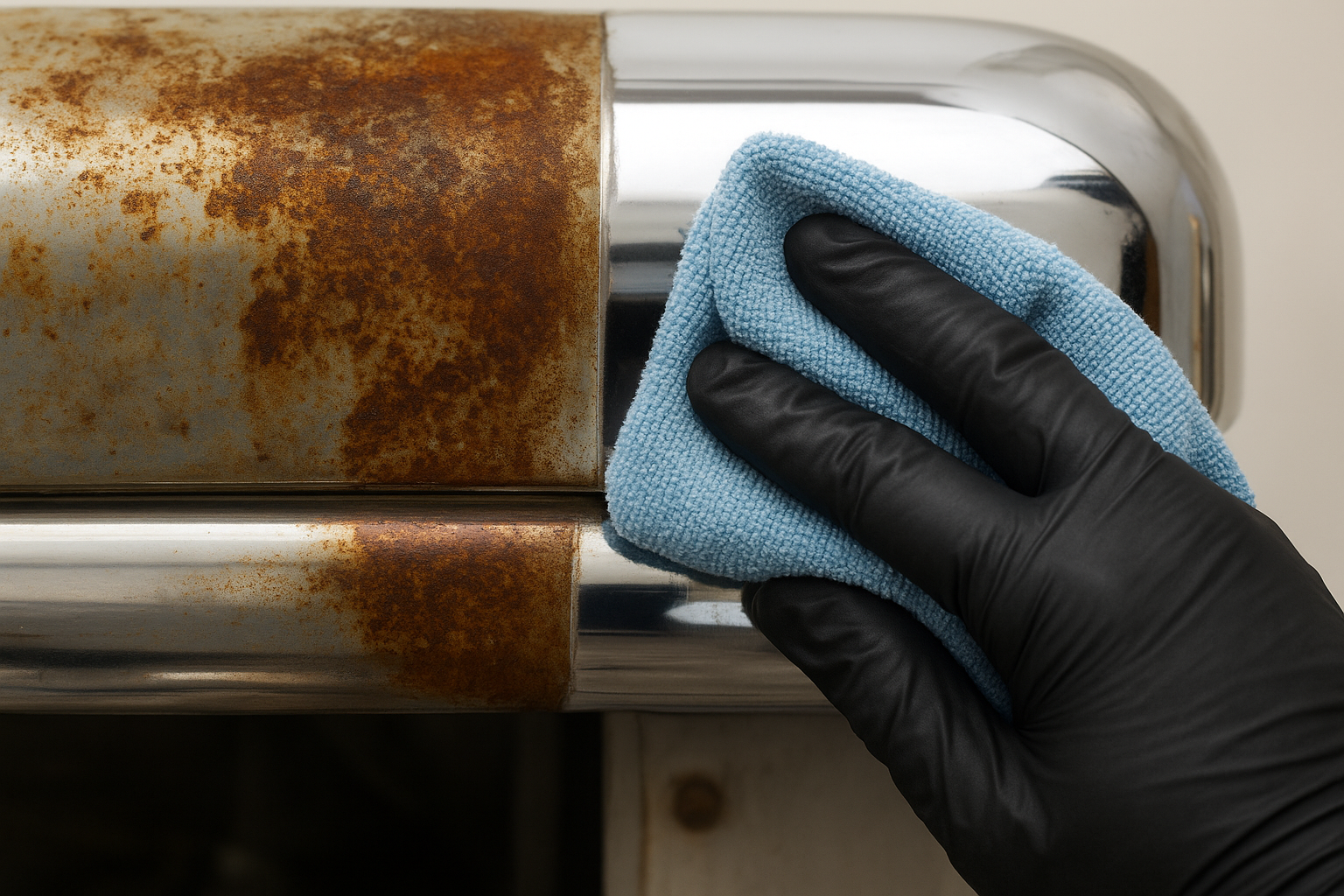








Whether you are staring at a puddle of bright green fluid under your car or a rusty water stain on your living room rug, a “rad leak” is a headache that requires immediate attention. The term “rad” is shorthand for radiator, but depending on where you are, that could mean the critical cooling component in your vehicle or the heating unit on your wall.
Regardless of the type, a leak indicates a breach in a pressurized system. Ignoring it can lead to catastrophic engine failure in cars or significant water damage in homes. This guide covers the most effective rad leak fix methods for both automotive and home heating scenarios, helping you stop the drip before it becomes a disaster.
Car Rad Leak Fix: Emergency vs. Permanent
In the automotive world, a radiator leak repair is urgent. Your engine relies on coolant to regulate temperature; without it, the metal block warps, seizing the engine.
1. The “Stop-Leak” Solution (Emergency Only) If you are stranded on the side of the road, a liquid sealant additive (often called “liquid aluminum”) is the best rad leak fix to get you home.
- How it works: You pour the bottle into the radiator. The particles circulate and harden when they hit the air at the leak site.
- The Risk: These are temporary. Overuse can clog your heater core and water pump. Use them only to limp to a garage.
2. Plastic Tank Repair (The Most Common Culprit) Modern car radiators are not solid metal; they have aluminum cores crimped onto plastic side tanks. These plastic tanks often crack due to heat cycles.+1
- The Fix: You can use a high-heat epoxy putty (like J-B Weld) to seal hairline cracks in the plastic. Sand the area to roughen it, clean it with alcohol, and apply the putty generously.
Warning: Check for Internal Damage If your radiator leaked enough to cause overheating, the damage might have spread to the engine block. If you refill the coolant but notice the engine running roughly afterwards, do not ignore it. You should investigate why is my car shaking, as a shaking engine combined with coolant loss is a classic symptom of a blown head gasket—a much more serious issue than a simple drippy rad.
How to Fix a Leaking Rad (Step-by-Step)
If you have confirmed a coolant fluid leak and want to attempt a DIY repair on your car, follow these steps:
- Safety First: Never remove the radiator cap when the engine is hot. The system is under pressure and can spray boiling liquid.
- Locate the Leak: Wash the engine bay with water, let it dry, then run the engine. Look for the “wet spot” or white crusty residue where coolant has evaporated.
- Prepare the Surface: For an antifreeze leak repair on a tank, the surface must be bone dry and rough. Use 120-grit sandpaper.
- Apply Epoxy: Mix your two-part epoxy and spread it over the crack. Allow it to cure for at least 4 hours (or overnight) before refilling.
Home Radiator Leaks: Pinholes and Valves
If your search for a how to fix a leaking rad refers to your home heating system, the approach is different. Water pressure here is lower, but the volume of water available to flood your house is infinite.
1. The Valve Leak (Most Common) If water is dripping from the knob you turn to adjust the heat:
- The Fix: This is usually a loose “gland nut.” Use a wrench to tighten the nut situated under the plastic cap. If that fails, wrap the spindle in PTFE tape (plumber’s tape) and re-tighten.
2. The Pinhole Leak (Rust) Old cast iron radiators can rust from the inside out, developing tiny pinholes.
- The Fix: An epoxy putty stick is perfect here. Knead the putty until it is uniform in color and press it firmly into the hole.
Emergency Protocol If a home radiator bursts or develops a heavy stream leak, you cannot fix it while the water is flowing. You must stop the water supply immediately to save your floors. Knowing how to turn off water to your house at the main shut-off valve is the critical first step before you even look for a wrench.
Conclusion
Whether it is a car or a home heater, a rad leak fix is often a battle against pressure. For cars, an epoxy patch on a plastic tank can buy you months of driving time, while a tightened gland nut on a home radiator can solve the problem permanently. However, always remember that cooling systems are vital—if the patch fails, the consequences (a fried engine or a flooded floor) are expensive. Monitor your repair closely for the first 24 hours to ensure the seal holds.