






That sweet, maple-syrup smell wafting from your engine isn’t a sign of a good breakfast—it is the first warning sign of a cooling system failure. If you ignore it, that pleasant scent will soon be followed by an overheating engine and a repair bill that could cost thousands.
A coolant leak is one of the most common car problems, but it doesn’t always require a tow truck. Many leaks are simple, inexpensive fixes that you can handle in your own driveway. Whether you are dealing with a cracked hose, a loose clamp, or a pinhole in the radiator itself, learning the right radiator coolant leak fix can save your engine from catastrophic heat damage.
This guide walks you through how to fix coolant leak from radiator systems, from diagnosing the source to applying emergency patches.
Step 1: How to Find Antifreeze Leaks (Safety First)
Before you start hunting for the source, you must respect the pressure. Never open a radiator cap while the engine is hot. The system operates under high pressure, and opening it can cause boiling coolant to spray onto your face and hands.
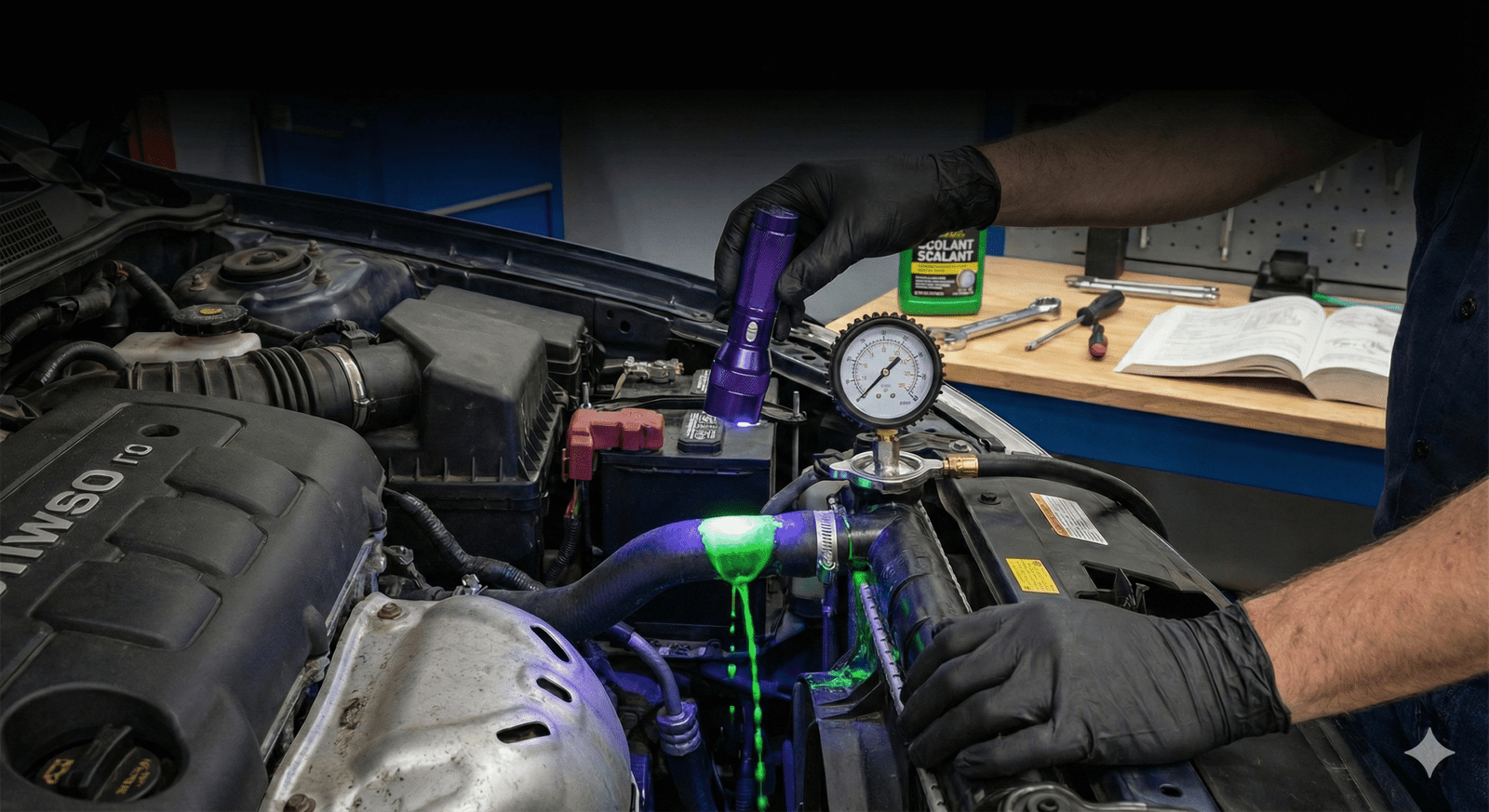
The Visual Inspection Finding the leak is half the battle. To learn how to find antifreeze leak sources, start with a visual check:
- The Puddle Color: Coolant is typically bright green, orange, or pink. If the fluid is clear (water) or brown (oil), you have a different problem.
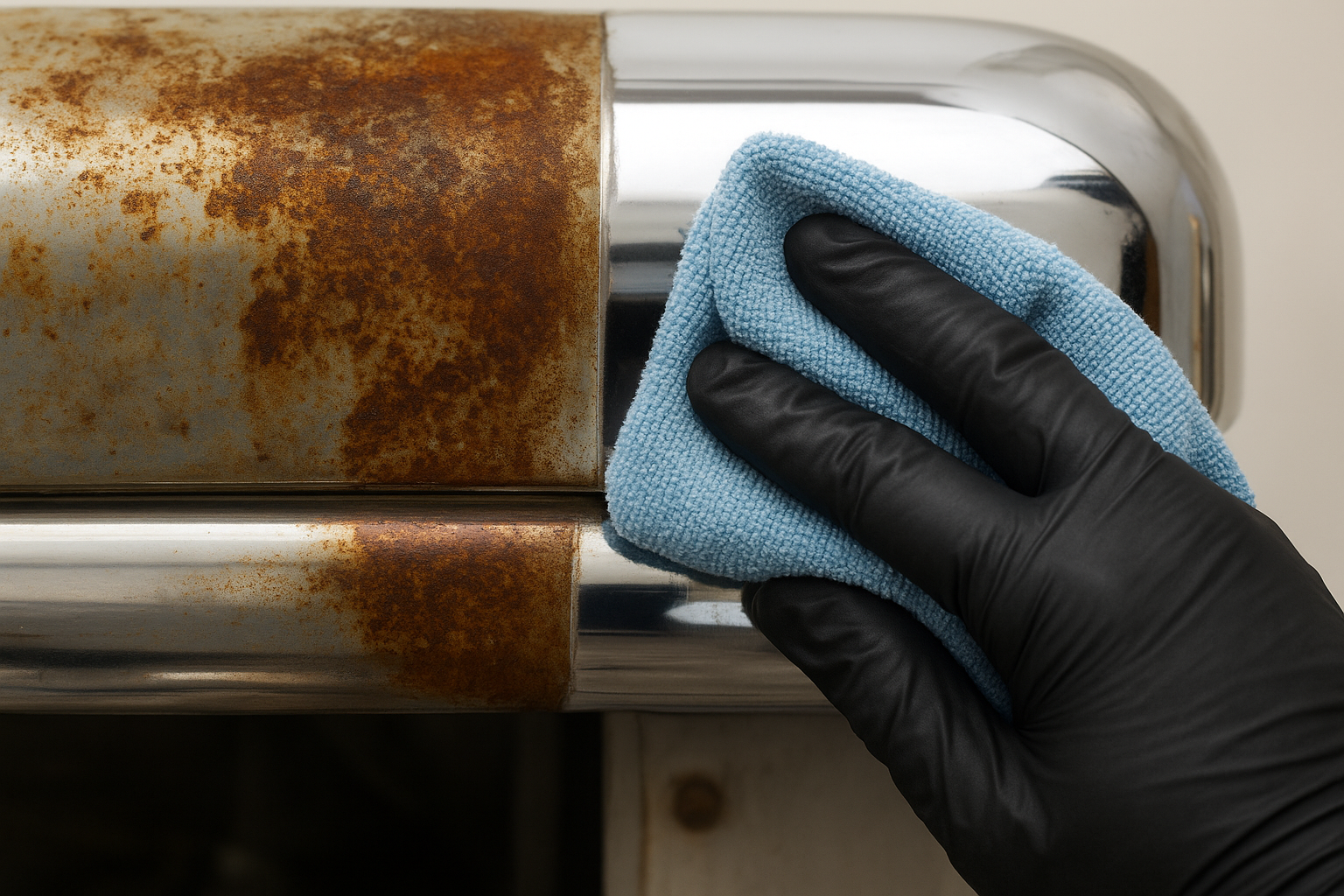
- The “White Crust”: Small leaks often evaporate before they hit the ground. Look for white, chalky residue or rusty trails around hose clamps and the radiator seams. This indicates a slow, seeping leak.
Safety Tip: While inspecting the engine bay, you will be working close to the electric cooling fans. These can spin up automatically even if the engine is off. To ensure your safety, you should know how to disconnect car battery terminals to cut power to the fans before reaching your hands into tight spaces.
The $15 Fix: Can Replacing Radiator Cap Fix Coolant Leak?
One of the most frequent search queries we see is: “Can replacing radiator cap fix coolant leak?”.
The answer is a resounding yes. The radiator cap is not just a lid; it is a pressure valve. It maintains the system at a specific PSI (usually 13-16 PSI) to raise the boiling point of the coolant.
- The Failure: Over time, the rubber gasket under the cap becomes brittle or cracked. This allows pressurized coolant to escape as steam or boil over into the reservoir tank, which then overflows.
- The Fix: If you see steam coming from the cap area or dried residue around the neck, replace the cap. It is the cheapest and easiest radiator coolant leak fix available.
DIY Radiator Leak Repair Methods
If the cap is fine and you have identified a crack in the radiator tank or a pinhole in the fins, you have two main DIY options for radiator leak repair.
1. Liquid Stop-Leak Additives
- Best For: Emergency roadside fixes or pinhole leaks in the metal core.
- How it Works: You pour the additive directly into the radiator. As the fluid circulates, suspended particles clog the hole upon contact with air.
- Warning: Use this sparingly. Overusing stop-leak products can clog your heater core and water pump, leading to bigger issues later.
2. Epoxy / Cold Weld
- Best For: Cracks in the plastic tanks on the sides of the radiator.
- The Process:
- Drain the coolant to below the level of the leak.
- Clean and sand the area around the crack thoroughly (it must be dry and rough).
- Mix the two-part epoxy and apply it generously over the crack.
- Let it cure for the recommended time before refilling.
Hose & Clamp Repair: It’s Not Always the Radiator
Often, the radiator itself is fine, but the plumbing attached to it has failed.
- Squishy Hoses: Squeeze the upper and lower radiator hoses. If they feel overly soft, spongy, or crunchy, they are rotting from the inside out and need replacement.
- Worm Gear Clamps: The metal clamps securing the hoses can loosen over time due to vibration. Sometimes, the only antifreeze leak repair you need is a screwdriver to tighten a loose hose clamp.
When to See a Mechanic: The Hidden Dangers
Not all leaks are external. If you are constantly topping off your coolant but never see a puddle, the engine might be consuming it. This usually points to a blown head gasket or a cracked block—issues that no bottle of sealer can fix.
Symptoms of Internal Leaks:
- White, sweet-smelling smoke coming from the tailpipe.
- Oil that looks milky or like a chocolate milkshake.
- Engine Roughness: If coolant leaks into the combustion chamber, it disrupts the spark. You might wonder why is my car shaking at idle; this misfire is often a direct result of “burning” coolant.
Conclusion
Dealing with a coolant leak immediately is the key to vehicle longevity. Start with the simple diagnostics: check the clamps, look for the “white crust,” and ask yourself if replacing the cap could solve the issue. While liquid sealants offer a quick radiator coolant leak fix, they are temporary measures. For a permanent solution, replacing the damaged hose or radiator is always the safest route to keep your engine running cool.