





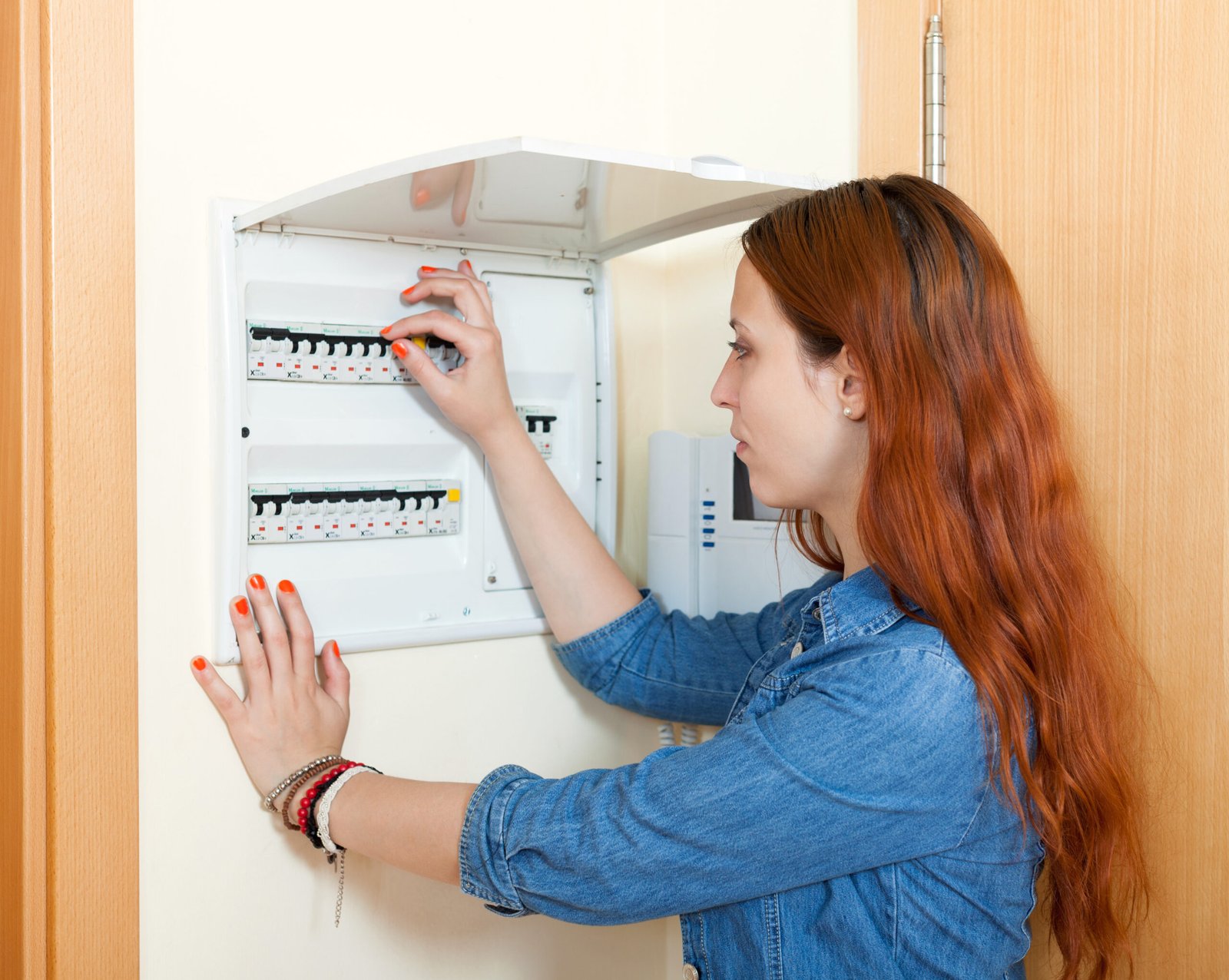
If your circuit breaker trips once, it may seem like a small inconvenience.
If it keeps happening, especially during normal daily use, it is a sign that something is wrong.
The goal of this blog is to help homeowners who are tired of walking to the panel to reset breakers and wondering whether the issue is minor or dangerous. Our main concern is safety. You want to know what is causing the problem, whether your wiring is at risk, and how serious the situation might be.
A tripping breaker is not random. It is a built-in warning system. Understanding what it is telling you can prevent costly damage and protect your home.
What a Circuit Breaker Is Designed to Do
A circuit breaker is a safety switch.
Its purpose is to interrupt electrical flow when a circuit exceeds its rated capacity or when a fault is detected. Without breakers, electrical wires could overheat, melt insulation, and ignite nearby materials.
Most household circuits are rated for either 15 or 20 amps. The breaker monitors the electrical current flowing through that circuit. If demand exceeds safe levels, it trips.
When your breaker shuts off, it prevents overheating inside your walls.
The key point is this. Breakers do not trip without a reason. Something is stressing the system.
Circuit Overload: The Most Common Cause
An overload occurs when too many electrical devices operate on the same circuit at the same time.
Each appliance draws a certain number of amps. When the total exceeds the circuit rating, the breaker trips.
Why Overloads Are Increasing in Modern Homes
Homes built 30 or 40 years ago were not designed for today’s electrical demand.
Back then, families did not have:
- Multiple large televisions
- Desktop gaming computers
- Electric vehicle chargers
- High capacity kitchen appliances
- Space heaters in every bedroom
Older wiring layouts often place multiple rooms on a single circuit. When several devices run simultaneously, the load climbs quickly.
How to Identify an Overload
Overloads usually follow a pattern. The breaker trips when a specific combination of devices is used together.
For example, running a microwave and coffee maker on the same kitchen circuit often causes shutdown. The same happens when a space heater runs alongside other bedroom electronics.
You may notice lights dimming briefly before the breaker trips. That dimming indicates the circuit is approaching its limit.
Why Repeated Overloads Matter
Some homeowners assume that as long as the breaker trips, the system is safe.
While the breaker prevents immediate danger, repeated overloads generate heat over time. That heat stresses wiring insulation and weakens connections.
If overloads happen frequently, the long term solution may involve installing additional dedicated circuits rather than simply unplugging devices.
Short Circuits: A More Serious Electrical Fault
A short circuit occurs when a hot wire directly contacts a neutral wire.
This creates a sudden surge of current that can be far higher than normal operating levels. The breaker reacts instantly to prevent catastrophic damage.
Unlike overloads, short circuits are not caused by too many devices. They are caused by wiring faults.
Common Causes of Short Circuits
Short circuits often result from:
- Damaged wire insulation
- Loose wire connections
- Faulty switches or outlets
- Internal appliance failure
In some cases, rodents chew through insulation inside walls. When exposed wires touch, a short occurs.
Warning Signs of a Short Circuit
Short circuits are usually dramatic.
You may observe:
- A sharp popping sound
- Visible sparks
- A burning smell
- Immediate breaker trip upon reset
If a breaker trips instantly every time you reset it, stop attempting to reset it repeatedly. That is a sign of a direct fault that requires professional diagnosis.
Short circuits pose a higher fire risk than simple overloads because they involve intense bursts of current.
Ground Faults: Hidden Dangers Near Water
A ground fault happens when electrical current takes an unintended path to ground.
This commonly occurs in damp environments such as bathrooms, kitchens, garages, and outdoor outlets.
Ground fault circuit interrupter outlets are designed to detect this condition and shut off power rapidly.
How Moisture Creates Problems
Water lowers electrical resistance. When moisture seeps into outlet boxes or fixtures, electricity can travel in unintended directions.
This creates shock hazards and increases breaker trips.
You might notice trips occurring during rainstorms or after using outdoor extension cords.
If your breaker trips when operating appliances near sinks or exterior walls, moisture intrusion may be involved.
Ignoring ground faults increases shock risk, especially for children and pets.
Aging Panels and Worn Breakers
Electrical panels are not permanent fixtures.
Over time, internal components wear down. Breakers can weaken. Bus bars can corrode. Connections can loosen.
An aging panel may trip breakers more frequently, even when circuits are not overloaded.
Signs of Panel-Related Problems
Watch for:
- Breakers that feel loose when switching
- Buzzing sounds from the panel
- Warm metal surface
- Random tripping with no clear load increase
Panels older than 25 years may not meet current safety standards. Some outdated brands have known failure issues.
If you suspect panel deterioration, consultation with a licensed electrician fort collins ensures proper load testing and inspection.
Panel upgrades often improve both safety and reliability.
High- Demand Appliances That Stress Circuits
Certain devices draw substantial power.
Space heaters are common offenders. Many draw close to the maximum rating of a standard 15-amp circuit.
Hair dryers and portable air conditioners also pull heavy loads.
If these appliances share a circuit with televisions, lighting, or computers, the total demand exceeds capacity quickly.
Why Extension Cords Increase Risk
Using extension cords or power strips does not increase circuit capacity.
It only spreads devices across more outlets on the same circuit.
Overloaded cords can overheat before the breaker trips, creating additional fire hazards.
The safest solution for high-demand appliances is a dedicated circuit installed to code standards.
Hidden Wiring Damage Behind Walls
Electrical wiring can deteriorate silently.
Common causes include:
- Nails driven during renovations
- Screw penetration when mounting shelves
- Rodent damage
- Age-related insulation cracking
When insulation weakens, wires may arc or partially short under load.
These conditions generate heat and trigger breaker trips.
If trips consistently affect one room and no clear overload exists, hidden wiring damage may be present. Thermal imaging and electrical testing help identify these problems without extensive wall removal.
Seasonal Electrical Strain
Electrical usage fluctuates throughout the year.
Winter often increases the load due to space heaters and holiday lighting. Summer raises demand because of air conditioning systems running continuously.
Seasonal breaker trips often indicate circuits operating near maximum capacity during peak months.Outdoor outlets exposed to snow or heavy rain may also experience moisture-related faults.
Recognizing seasonal patterns can help identify whether the issue is load-related or structural.
Why Resetting the Breaker Is Not a Long-Term Fix
Resetting a breaker restores power, but it does not solve the underlying problem.
If trips occur more than occasionally, investigation is necessary. Repeated resets without diagnosis can mask developing hazards. Electrical fires frequently begin with overheated wiring hidden behind drywall.
Warning signs should never be ignored simply because power returns after flipping a switch.
Step-by-Step Troubleshooting Approach
Step 1: Identify the Affected Circuit
Locate the breaker label and determine which outlets or appliances are connected.
Understanding the circuit layout is critical.
Step 2: Reduce Electrical Load
Unplug non-essential devices and reset the breaker.
Gradually reconnect appliances one at a time.
If a specific device triggers the trip, it may be defective.
Step 3: Inspect for Visible Damage
Check outlets for discoloration or loose connections.
Smell for burning odors.
Feel for unusual warmth around switches or receptacles.
Step 4: Observe Patterns
Track when trips occur.
Do they coincide with heavy appliance use, storms, or specific rooms?
Patterns provide valuable diagnostic clues.
Step 5: Seek Professional Evaluation
If the problem persists, schedule a professional inspection.
Electricians use clamp meters and insulation testers to measure current draw and detect hidden faults accurately.
The Financial Risk of Ignoring Breaker Trips
Delaying electrical repairs can result in:
- Wiring replacement costs
- Appliance damage
- Structural fire damage
- Insurance complications
The cost of preventive inspection is minor compared to the potential damage from electrical fires.
Early intervention often requires only minor adjustments or circuit additions.
Long-Term Preventive Solutions
To reduce future trips and improve safety:
- Install dedicated circuits for high-draw appliances.
- Upgrade older panels to modern standards.
- Avoid daisy-chaining power strips.
- Schedule routine inspections every few years in older homes.
- Replace aging outlets and switches proactively.
- Electrical systems should evolve as your household’s demand increases.
Final Thoughts
Circuit breakers trip for specific reasons. They are not random annoyances.
Sometimes the cause is simple overload. Other times it signals short circuits, moisture intrusion, or aging infrastructure.
The important takeaway is this. Repeated breaker trips are warnings.
Listening to those warnings protects your property and your family.
If your home experiences frequent or unexplained trips, a professional inspection provides clarity and peace of mind. Electrical systems are designed to fail safely. When they activate repeatedly, it is time to investigate rather than ignore the signal.