







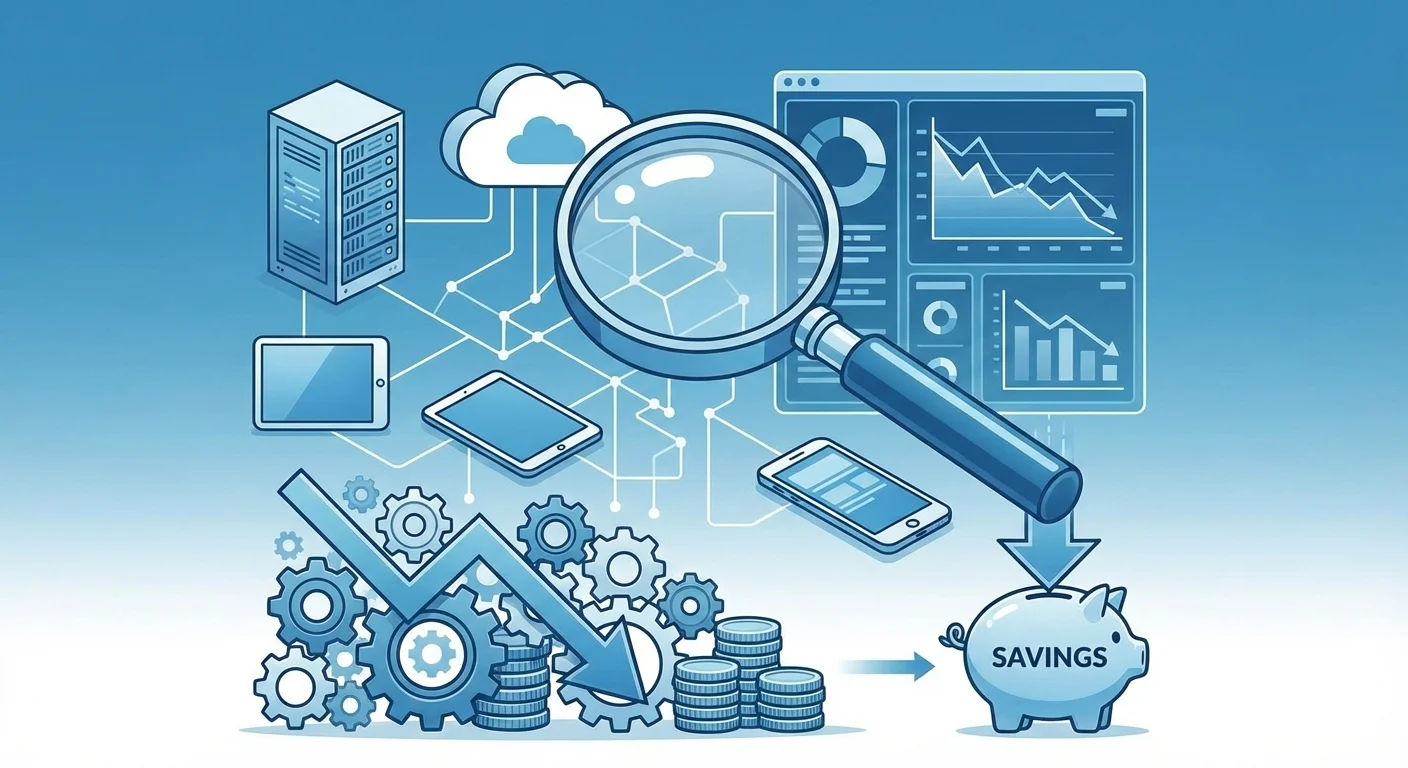
Businesses today are bleeding money through “zombie subscriptions”—SaaS tools that auto-renew every month but haven’t been opened by an employee in a year. In a digital-first world, your IT infrastructure is likely your second largest expense after payroll. Yet, while most companies audit their travel receipts down to the penny, millions of dollars in cloud hosting fees, unused software licenses, and mobile data overages go unchecked.
Technology expense management (TEM) is the solution to this financial leak. It is not just about accounting; it is about visibility. You cannot save money on what you cannot see. By implementing a robust TEM strategy, organizations can turn their IT spending from a chaotic “black box” into a predictable, optimized utility.
What is Technology Expense Management?
When business leaders ask what is technology expense management, they are essentially asking how to regain control over their digital footprint.
At its core, technology expense management is the practice of tracking, auditing, and optimizing all costs associated with an organization’s technology environment. This includes:
- Telecom: Mobile voice and data plans, VoIP lines, and internet circuits.
- Cloud Services: Hosting fees (AWS, Azure) and storage.
- Software: SaaS subscriptions, enterprise licenses, and support contracts.
TEM vs. T&E: Understanding the Difference It is crucial not to confuse TEM with the general T&E process (Travel and Expense).
- T&E focuses on employee-generated expenses like flights, hotels, and client meals.
- TEM focuses on infrastructure-generated expenses.
While T&E receipts are usually submitted manually by employees, tech expenses are often automated, recurring charges that hit the corporate credit card silently. To manage these effectively, you often need to find where the money is going automatically. Understanding tools like what is an automation finder is critical here; these systems can help discover hidden automated payment workflows or “zombie” scripts that are costing you money without delivering value.
What Are Technology Expenses? (The 3 Pillars)
To reduce costs, you must first categorize what are technology expenses in a modern enterprise. They generally fall into three pillars.
1. Telecom Expense Management
Historically, this was the entire scope of TEM. It involves managing the lifecycle of mobile devices and plans.
- The Problem: Companies often pay for “zero-use” lines—SIM cards sitting in a drawer that are still billed monthly.
- The Fix: How technology expense management tools reduce telecom costs is by automatically flagging lines with zero data usage for three consecutive months, allowing IT to cancel them.
2. SaaS & Cloud Subscription Management
This is the fastest-growing area of IT spending. It includes everything from massive Salesforce contracts to individual Zoom licenses.
- The Problem: Shadow IT. Departments often buy software without IT approval using corporate cards. When an employee leaves, the subscription keeps billing.
- The Fix: A rigorous offboarding process. For example, if you don’t know the specific steps for how to cancel google workspace correctly, you might continue paying for an ex-employee’s seat or lose critical data associated with their account. TEM processes ensure these accounts are closed or transferred immediately upon termination.
3. Hardware Assets
This covers the physical lifecycle of laptops, servers, tablets, and IoT devices. TEM tracks these assets from procurement to disposal, ensuring you aren’t paying lease fees on equipment that has already been recycled.
The Benefits of TEM Software
Managing these expenses on a spreadsheet is impossible for any mid-sized company. This is where dedicated technology expense management software comes in.
- Centralized Visibility: TEM platforms pull data from all your carriers and vendors (Verizon, AWS, Microsoft) into a single dashboard. You get a unified view of your total IT spend.
- Automated Optimization: The software can analyze thousands of phone bills to find billing errors or suggest cheaper plans based on actual usage patterns.
- Security & Compliance: By identifying “Shadow IT” (unapproved apps), TEM software helps close security loopholes. If marketing is using an unvetted file-sharing tool, TEM will flag the expense so IT can secure it or shut it down.
How to Implement a TEM Strategy
If you are ready to stop the bleeding, follow this three-step implementation process:
Phase 1: The Audit (Inventory) You cannot manage what you don’t know you have. Conduct a physical and digital audit.
- Who has which device?
- Which software licenses are assigned to whom?
- Compare your active employee list against your active license list. You will likely find a 10-20% gap.
Phase 2: The Policy Define what is T&E software allowed to process versus what must go through procurement. Establish a clear policy: “All software subscriptions over $50/month must be procured through the IT department.” This prevents the fragmentation of your software stack.
Phase 3: Automation Set up alerts. Your finance team should be notified instantly if:
- A cloud hosting bill spikes by more than 15% in one month.
- A mobile device exceeds its data cap.
- A duplicate invoice is received.
Conclusion
Technology expense management turns IT from a mysterious “black box” of spending into a transparent, predictable utility. In an era where software costs are rising and remote work is dispersing assets, TEM is no longer a luxury—it is a financial necessity.
Start small. You don’t need to overhaul your entire infrastructure overnight. Begin by auditing just your SaaS subscriptions this month. Cancel the tools nobody uses, consolidate the ones that overlap, and invest the savings back into growth.