







India’s higher education system is one of the largest and most diverse in the world. With thousands of universities operating under different regulatory frameworks, grading systems often vary significantly between institutions. While some colleges continue to follow traditional percentage-based evaluation, many have shifted to the CGPA (Cumulative Grade Point Average) model.
In 2026, as university admissions, scholarship applications, and job recruitment processes become increasingly digitized, this variation in grading systems is creating unexpected confusion for students. What appears to be a simple academic calculation often turns into a complex issue when different institutions apply different rules for conversion and evaluation.
Understanding how CGPA works—and how to report it correctly—has become more important than ever.
Understanding CGPA in the Indian Academic Context
CGPA stands for Cumulative Grade Point Average. It represents the overall average of grade points earned by a student across all semesters of a degree program. Most Indian universities calculate CGPA on a 10-point scale.
Unlike raw percentage scores, CGPA incorporates:
- Grade points assigned to individual subjects
- Credit hours allocated to each course
- Weighted averages across semesters
- Institutional grading policies
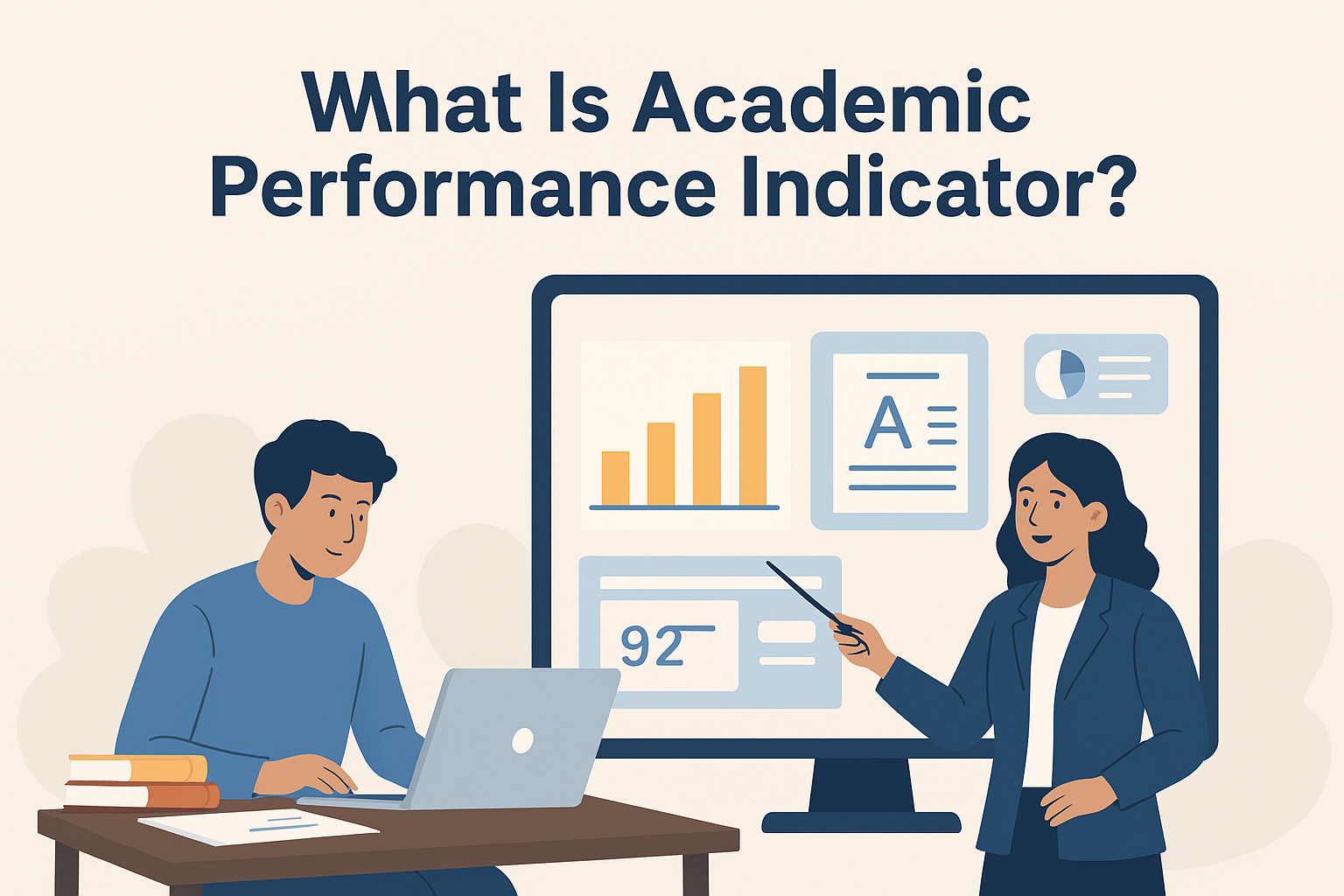
This means CGPA is not simply an average of marks. It is a credit-weighted academic performance indicator designed to standardize grading across diverse subjects.
For example, a subject carrying 4 credit hours has more influence on CGPA than a 2-credit subject. When students overlook this weighting system, errors occur.
Where the Confusion Begins
One of the biggest challenges students face is understanding the difference between CGPA, SGPA, and percentage.
- SGPA (Semester Grade Point Average) reflects performance in one semester.
- CGPA represents cumulative performance across all completed semesters.
- Percentage is a traditional mark-based score out of 100.
Problems arise when students attempt to convert CGPA into percentage without verifying their university’s official formula.
Some institutions use:
- CGPA × 9.5
- CGPA × 10
- Custom institutional conversion tables
There is no universal national standard applied consistently across all universities.
The Risks of Manual Calculation
At first glance, CGPA calculation appears straightforward. However, students often make the following mistakes:
- Averaging SGPA instead of calculating credit-weighted CGPA
- Ignoring variations in subject credit hours
- Applying incorrect conversion multipliers
- Rounding off prematurely
- Mixing institutional grading systems
A difference of even 0.2 or 0.3 in CGPA may seem minor, but when converted to percentage, it can result in noticeable discrepancies.
Because of this, many students now prefer structured digital systems to avoid human error. When students need to calculate CGPA accurately, structured academic platforms can simplify credit-weighted averaging and reduce inconsistencies before submitting official forms.
Using reliable calculation methods ensures alignment with transcript logic and reduces the risk of mismatched academic reporting.
University-Specific Variations Add Another Layer
Not all universities structure grading in identical ways. Some institutions adjust grade boundaries, credit allocation, or conversion logic slightly differently from national boards.
Technical universities, private institutions, and autonomous colleges may apply internal grading frameworks that differ from widely assumed formulas.
When students rely on general assumptions rather than institution-specific logic, errors multiply.
This becomes especially relevant when:
- Applying for higher studies abroad
- Submitting government job applications
- Participating in competitive examinations
- Applying for merit-based scholarships
Different institutions may request percentage equivalents even if the transcript displays CGPA only.
Submitting an incorrectly converted percentage can cause eligibility complications during verification.
Digital Verification in 2026
The academic environment in 2026 is increasingly automated. Many admission portals and scholarship platforms incorporate algorithmic screening systems that flag inconsistencies between entered data and uploaded documents.
Applications can be delayed if:
- Reported CGPA differs from transcript values
- Percentage conversion does not align with institutional policy
- Rounding discrepancies exceed acceptable thresholds
With competition intensifying, small errors can have disproportionate consequences.
Accuracy protects credibility.
Frequently Asked Questions
What is the difference between CGPA and SGPA?
SGPA reflects performance in a single semester, while CGPA represents the cumulative average across all semesters completed in a degree program.
Is CGPA multiplied by 9.5 in all Indian universities?
No. The 9.5 multiplier applies only in specific systems. Universities may use different formulas. Students should verify their institution’s official conversion policy.
Why does my CGPA conversion not match my calculated percentage?
This may result from incorrect multipliers, ignoring credit weighting, premature rounding, or misunderstanding university guidelines.
Can incorrect CGPA reporting affect scholarship or admission applications?
Yes. Many platforms verify academic data against official transcripts. Inaccurate reporting can lead to delays or additional review.
How can students avoid CGPA calculation errors?
Students should verify institutional rules, ensure accurate credit inputs, avoid guessing multipliers, and double-check calculations before submission.
Final Thoughts
India’s diverse grading systems offer flexibility but also create complexity in academic reporting. As digital application systems become more rigorous, precision in CGPA calculation and conversion has become essential.
Students who understand institutional grading logic and apply accurate calculation methods reduce administrative risk and strengthen their academic credibility.