



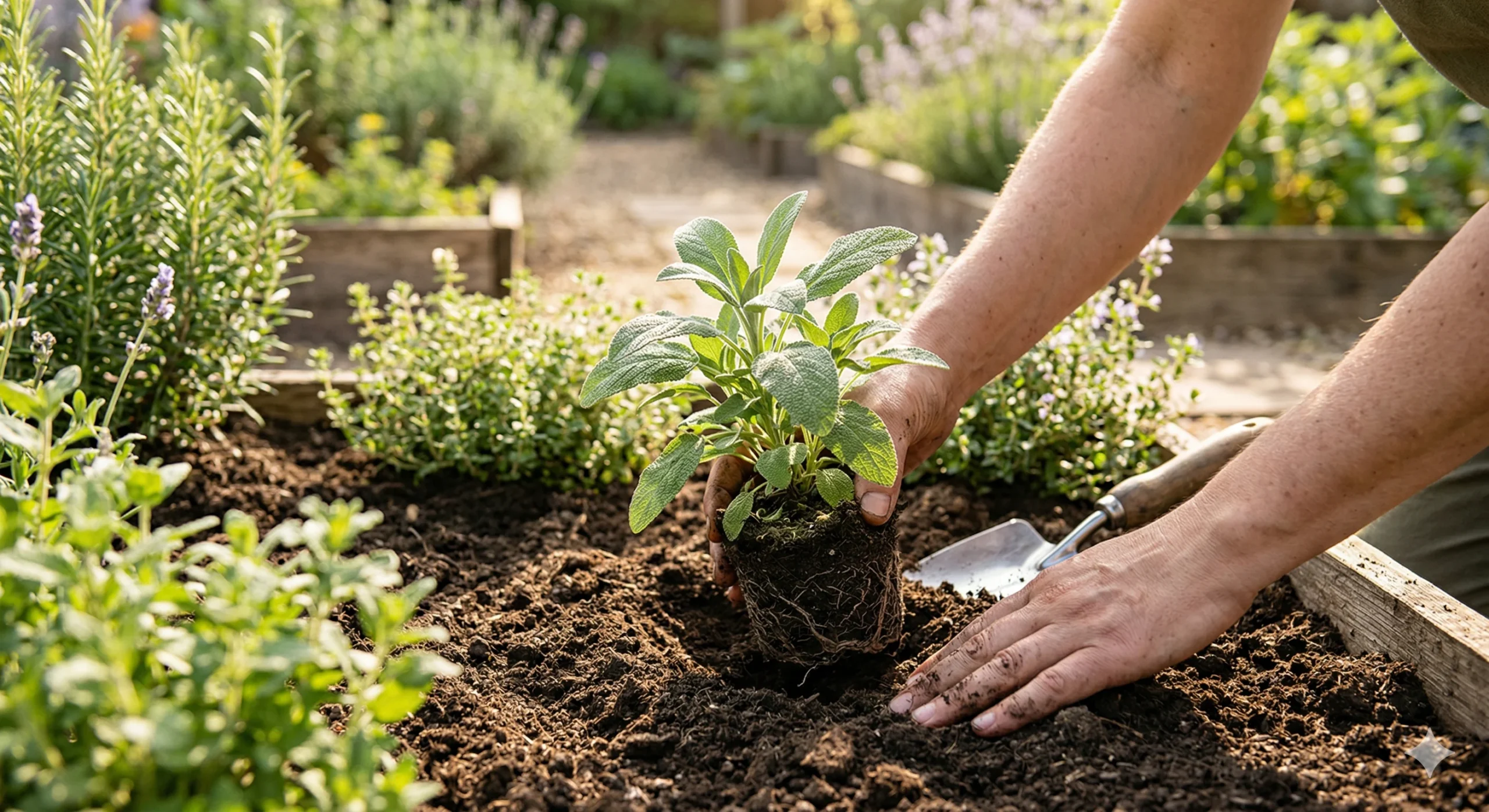



Sage (Salvia officinalis) is a staple of the Mediterranean herb garden. With its softly textured, silvery-green leaves and earthy, savory flavor, it is an incredible asset both in the kitchen and as a structural perennial in your garden borders.
However, many first-time growers make a critical mistake: they treat sage like a delicate, thirsty houseplant. The secret to growing a massive, thriving sage bush is to remember its origins. Sage comes from the rocky, sun-baked hills of the Mediterranean. It actually thrives on a bit of neglect, demanding a harsh, dry environment over constant pampering.
Here is everything you need to know about replicating those natural conditions to grow a robust sage plant that will provide fresh harvests for years to come.
The Ideal Growing Conditions for Sage
Before you put a spade into the earth, you must ensure your chosen location meets the strict environmental demands of a Mediterranean herb. If you get the location wrong, the plant will struggle to establish its roots.
- Sunlight is Non-Negotiable: Sage demands full, direct sunlight. You must choose a sheltered location that receives a minimum of 6 to 8 hours of direct sun daily. If planted in the shade, the stems will stretch out seeking light, resulting in a weak, leggy plant with poor flavor.
- Soil Requirements: Sage requires highly free-draining soil with a neutral to slightly alkaline pH (around 6.5 to 7.0). If your garden soil is highly acidic, you may need to amend it with a light dusting of garden lime before planting.
- The Root Rot Warning: This is the most important rule of growing sage: it absolutely despises sitting in wet, boggy soil. If the roots are left in standing water, they will suffocate, develop root rot, and the plant will rapidly turn black and die. Perfect drainage is the key to survival.
Step-by-Step: How to Plant Sage
1. Choose Your Starting Method
You have three main options for starting a sage plant: seeds, softwood cuttings, or nursery-bought potted specimens.
While you can start sage from seed indoors in early spring, the germination process is notoriously slow, and the plants take a long time to mature. For beginners who want a quicker, more reliable harvest, purchasing a healthy potted specimen from a local nursery or propagating a softwood cutting from a friend’s established bush is a much better approach.
2. Space the Plants Correctly
When you plant your sage in the garden bed, dig a hole that is twice as wide as the root ball but no deeper. If your soil is heavy, mix a generous amount of horticultural grit or perlite into the planting hole to guarantee rapid drainage.
Space the plants 18 to 24 inches apart. While they look small when you buy them, sage grows into a dense, woody bush. Proper spacing ensures excellent air circulation around the foliage, which is vital for preventing powdery mildew and other fungal diseases during humid summer weeks.
3. Planting in Containers (The Alternative)
If you have dense, heavy clay soil in your yard that holds onto water, do not risk planting your sage directly in the ground. Sage is an excellent candidate for container gardening. Furthermore, if you have heavy clay soil in your yard, planting sage in breathable large flower pots terracotta filled with gritty compost and drainage holes is a much safer alternative to prevent waterlogging. Mix standard potting soil with a heavy ratio of sand or perlite to mimic a rocky hillside.
Watering and Pruning Your Sage Bush
Once your sage is in the ground or in its pot, your maintenance routine should be highly hands-off.
Watering: Water the plant thoroughly immediately after planting to help the roots settle. However, once the plant is established, you must water sparingly. Sage is highly drought-tolerant. Only water the base of the plant when the top two inches of the soil feel completely dry to the touch. In many temperate climates, natural rainfall is entirely sufficient for an established outdoor sage bush.
Pruning: Sage is technically a sub-shrub, meaning it develops hard, woody stems at its base over time. To keep the plant productive, you must prune it lightly every year. Wait until after the plant finishes flowering in the early summer, then trim back the soft, green new growth by about a third. This encourages the plant to branch out and become bushy. Never prune down into the old, brown, leafless wood, as sage rarely regenerates from old hard wood. If you do not prune it, the center of the plant will become woody, leggy, and stop producing leaves.
Harvesting and Popular Varieties
When to Harvest: You can pick individual leaves as needed throughout the growing season. The flavor is actually at its absolute peak just before the plant bursts into flower. Crucial tip: If you grew your sage from a seed, do not harvest heavily during its first year. Timing your garden yields takes patience, whether you are waiting a year for a strong sage bush to establish its roots or figuring out how to tell when onions are ready to harvest in the late summer. Let the young plant keep its leaves so it can photosynthesize and build a robust root system for the following year.
Varieties to Try: While common green sage is the culinary standard, there are stunning ornamental varieties that are just as edible:
- Purple Sage (Salvia officinalis ‘Purpurascens’): Features deep, smoky purple foliage that looks incredible in a border.
- Golden Sage (Salvia officinalis ‘Icterina’): Boasts bright green leaves heavily variegated with a sunny yellow border.
- Tricolor Sage: Offers striking leaves splashed with green, white, and pink.
FAQs on Growing Sage
Why are my sage leaves turning yellow?
Yellowing leaves, particularly at the lower base of the plant, are almost always the first symptom of overwatering or poor soil drainage. The roots are suffocating. Immediately stop watering the plant, let the soil dry out completely, and consider mixing more grit into the surrounding soil if the problem persists.
Does sage survive the winter?
Yes, common sage is a hardy perennial in most temperate zones. It is an evergreen, though it will naturally lose some of its leaves and look a bit ragged during severe winter freezes. Do not be tempted to prune away the dead-looking stems in the autumn or winter; leave them to protect the crown from the frost, and wait to tidy the plant up until new green growth appears in the spring.
Growing sage is an exercise in restraint. If you can provide a sun-drenched spot, ensure the soil drains rapidly, and resist the urge to water it every day, you will be rewarded with a massive, fragrant bush that elevates your cooking year-round.