


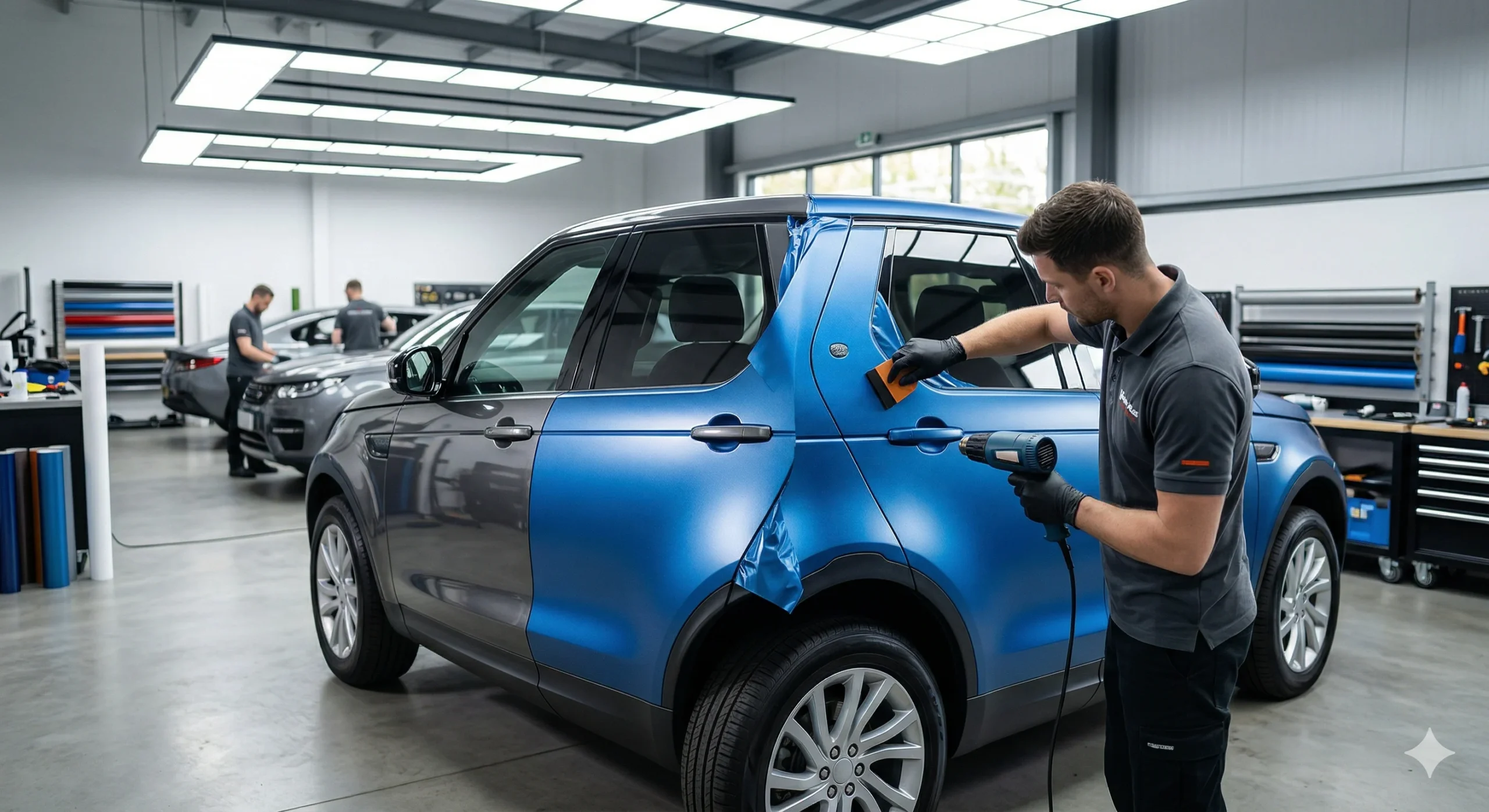
Transforming the look of your vehicle used to mean committing to an expensive, permanent respray. Today, vinyl wrapping is the ultimate way to refresh your car’s aesthetic without destroying its original factory finish or its future resale value.
Whether you want a stealthy matte black finish, a vibrant color-shift, or just want to protect your original paint from stone chips, wrapping offers incredible versatility. However, as the materials and installation techniques have advanced in 2026, so have the costs. If you are budgeting for a full color change, you need transparent, realistic numbers. Let’s break down exactly how much professional car wraps cost in the UK right now, the factors that drive those prices up, and whether a DIY approach is actually worth the headache.
Average Car Wrapping Costs in the UK (2026)
The price of a wrap is never a flat rate. It is heavily dictated by the square footage of the vinyl required and the hours of labor needed to apply it. Based on current 2026 market rates across professional UK wrapping shops, here is what you can expect to pay for a standard, high-quality gloss or matte finish:
- Small Cars (e.g., Fiat 500, Mini Cooper, Ford Fiesta): £2,000 – £2,640
- Medium Cars (e.g., Tesla Model 3, Audi A5, BMW 3 Series): £2,750 – £3,350
- Large Cars & SUVs (e.g., Range Rover, Audi Q7, BMW X5): £3,100 – £3,600
- Camper Vans (e.g., VW Transporter, Ford Transit Custom): £2,760 – £3,600
Important Note: These are baseline figures for standard, high-quality cast vinyls (like 3M or Avery Dennison). If you are requesting premium, highly specialized finishes or bringing in a vehicle with a notoriously difficult, aggressive body shape, you should expect quotes to easily push into the £4,000 to £6,000 range.
What Factors Change the Price of a Wrap?
When a professional wrap shop quotes your vehicle, they are calculating two main expenses: the raw cost of the specific vinyl roll and the intensive labor required to make it look like paint.
1. The Type of Vinyl Finish
Not all vinyl is created equal. The film you choose drastically impacts the final invoice:
- Gloss, Matte, and Satin: These are the most common and easiest films to stretch and apply. They represent the baseline costs listed above.
- Colour-Shift and Pearlescent: These premium films change color depending on the viewing angle and lighting. They are significantly more expensive to manufacture and purchase.
- Chrome: Chrome vinyl is notoriously rigid, lacks stretchability, and shows every single imperfection underneath it. It requires highly specialized installation techniques, often doubling the labor time and pushing the total cost toward the top end of the market.
2. Vehicle Complexity and Prep Work
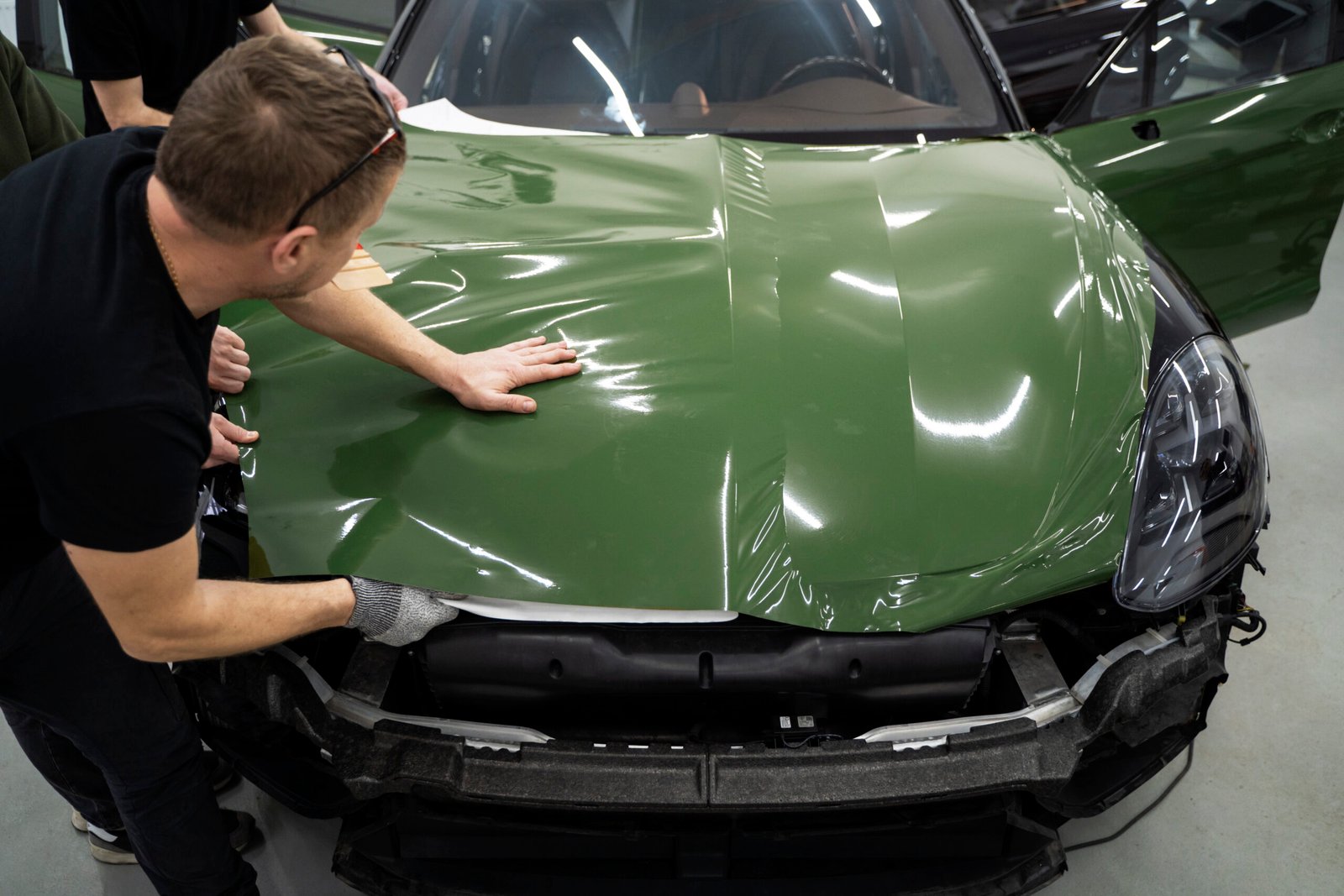
A professional wrap is not just stuck onto the exterior of the car. To achieve a seamless, “paint-like” finish where no original color shows through the panel gaps, the installer has to disassemble parts of your vehicle.
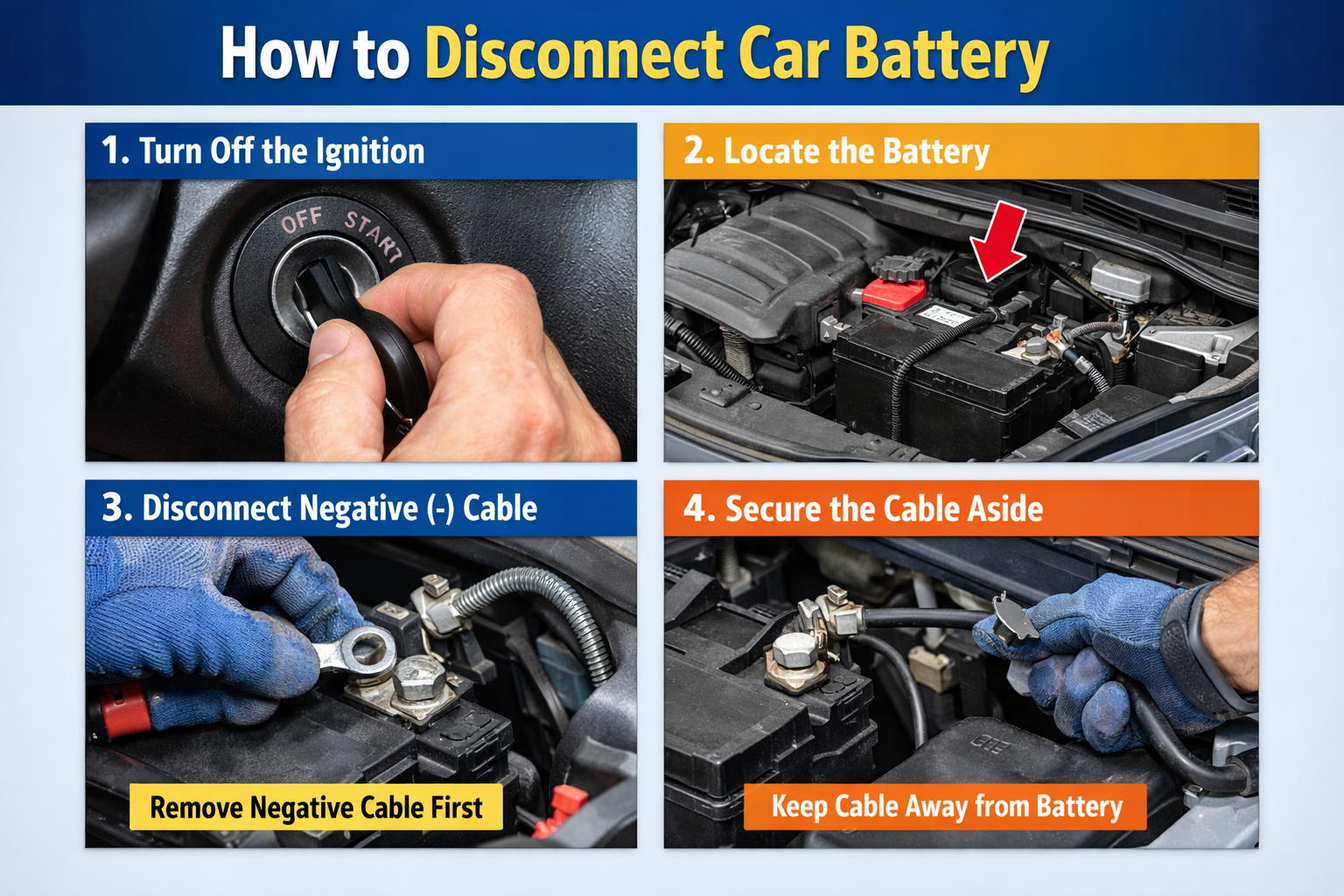
A boxy commercial van with flat panels is incredibly fast to wrap. A modern supercar or heavily styled sports saloon with deep air intakes, aggressive curves, and complex wing mirrors takes days of meticulous stretching and post-heating. Professional installers often have to remove front bumpers, headlights, and door handles to tuck the vinyl seamlessly, which usually means they need to know exactly how to disconnect a car battery safely before dismantling the complex electronic trim. You are paying for their mechanical expertise as much as their wrapping skills.
Is a DIY Car Wrap Worth the Savings?
When you look at the £3,000 price tag for a professional job, you might be tempted to look up the cost of a raw roll of 3M vinyl online. A high-quality roll usually costs between £300 and £600. So, is DIY the smart move?
From a builder’s perspective: usually, no. While the raw materials are cheap, wrapping a 3D object with a 2D piece of adhesive film is an incredibly frustrating and highly skilled trade. It requires understanding tension, “glassing” the material, and knowing exactly how much heat to apply without melting the vinyl. Amateurs frequently overstretch the material, causing it to shrink and peel back out of deep recesses weeks later. More dangerously, trimming the vinyl directly on the car requires surgical precision; one slip with a standard scalpel blade can deeply score your car’s clear coat and original paint, causing thousands of pounds in irreversible damage. Unless it is a dedicated track or project car that you don’t mind looking slightly rough up close, leave it to the professionals.
The Hidden Benefits: Why Wrap Instead of Paint?
Dropping over two thousand pounds on a giant sticker might sound excessive until you factor in the massive secondary benefits that a permanent paint job cannot offer.
- Paint Protection: The vinyl acts as a thick, physical sacrificial layer. It absorbs the impact of road debris, stone chips, winter salt, and prevents harsh UV rays from fading the factory clear coat.
- Fully Removable: If you paint a car a wild, custom color, you instantly limit your pool of potential buyers when it comes time to sell. With a wrap, you can enjoy a bright neon green car for three years, then simply peel it off to reveal the pristine, factory silver paint underneath, retaining maximum resale value.
- Commercial Leverage: If you are a business owner looking into what is branding on cars, a commercial wrap is not just aesthetic; it is a fully tax-deductible marketing expense that simultaneously protects the paintwork of your fleet vehicles while turning them into mobile billboards.
FAQs on Car Wrapping
How long does a car wrap last? A high-quality wrap (using reputable brands like 3M, Avery, or Oracal) professionally installed will usually last 3 to 5 years. If the vehicle is exceptionally well cared for—meaning it is hand-washed regularly with pH-neutral soaps, kept away from automated brush car washes, and parked in a garage away from direct sun—the wrap can last up to 7 years before the adhesive begins to degrade.
Does wrapping damage the original paintwork? No, a professional wrap will not damage your paint. In fact, it protects it. However, there is one caveat: the original paint must be in good condition before the wrap is applied. If your car has failing clear coat, deep scratches, or poorly prepped aftermarket paint, the strong adhesive of the vinyl can pull that loose paint off during the eventual removal process.
Deciding to wrap your car is a significant financial commitment, but it is an investment in both the aesthetic appeal and the physical protection of the vehicle. Whether you want a subtle satin black finish or a wild color-shift, spending the money on a reputable, professional installer is the only way to ensure the job looks flawless and lasts for years.