





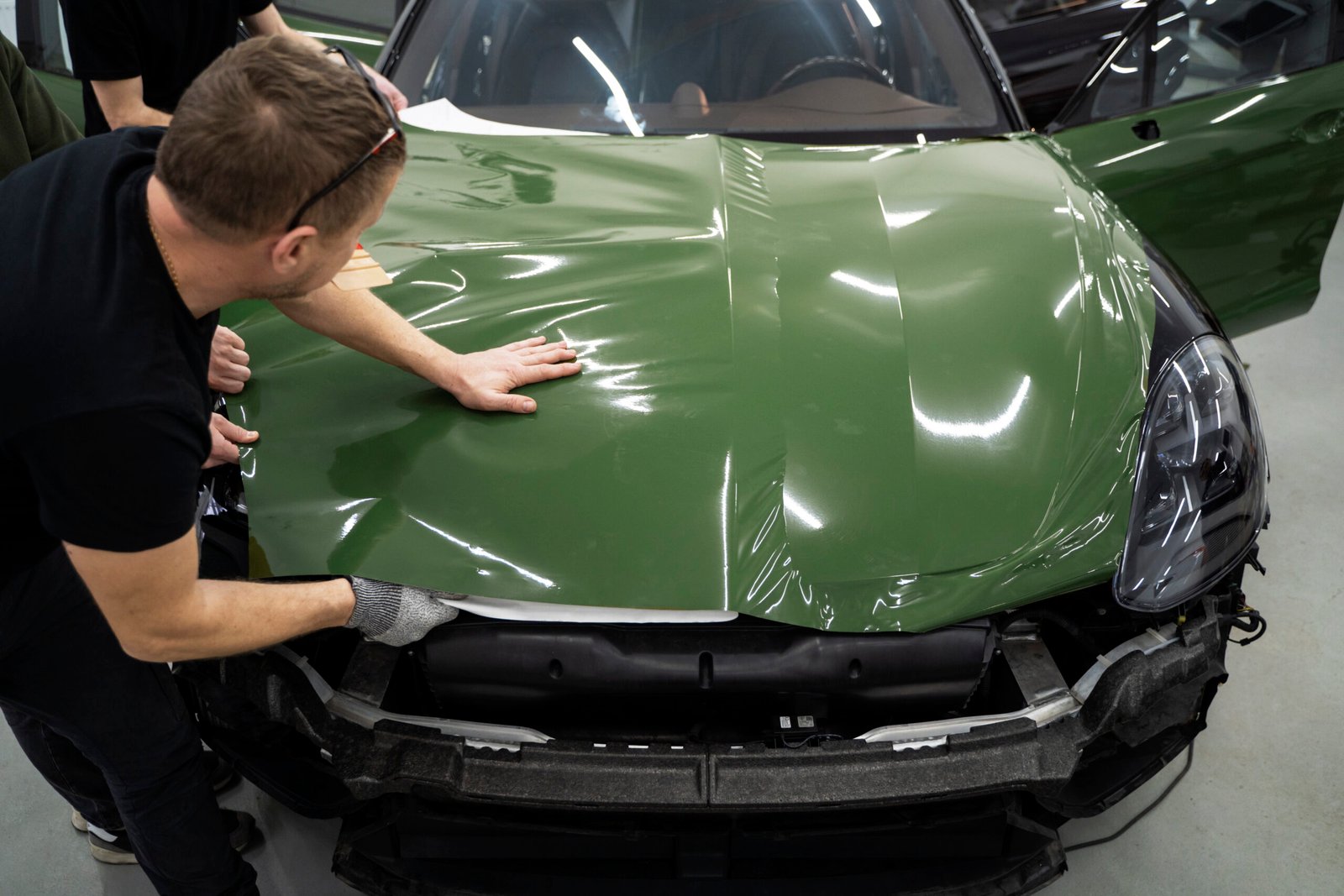
In 2026, the question of how much to wrap a car has become a central topic for car enthusiasts and business owners alike. As high-quality vinyl technology advances, wrapping is no longer just for supercars; it’s a mainstream alternative to painting that offers protection and endless style.
Whether you’re looking for a simple color change or a high-end chrome finish, understanding the price variables is the first step toward a successful transformation.
What is the Average Cost to Wrap a Car in 2026?
A professional full car wrap in 2026 typically costs between $2,000 and $6,000. For standard sedans, prices average $2,500 to $3,500, while larger SUVs and trucks range from $3,500 to $5,500. Luxury, exotic, or complex vehicles can exceed $10,000 depending on the material and labor required.
2026 Car Wrap Pricing by Vehicle Size
Vehicle size is the primary driver of cost because it determines both the amount of vinyl (square footage) and the labor hours needed for installation.
| Vehicle Type | Average Cost (USD) | Square Footage Needed |
| Compact/Coupe (e.g., Mini Cooper, Honda Civic) | $2,000 – $3,000 | 50–55 sq. ft. |
| Family Sedan (e.g., Toyota Camry, BMW 3 Series) | $2,500 – $3,750 | 60–65 sq. ft. |
| Full-Size SUV (e.g., Ford Explorer, Chevy Tahoe) | $3,500 – $5,000 | 75–90 sq. ft. |
| Pickup Truck (e.g., Ford F-150, RAM 1500) | $3,500 – $5,500 | 80–100 sq. ft. |
| Luxury/Exotic (e.g., Porsche, Lamborghini) | $6,000 – $12,000+ | High Complexity |
Key Factors That Influence Your Final Quote
1. Material and Finish
Not all vinyl is created equal. The finish you choose can drastically change the price point:
- Gloss/Matte/Satin: These are standard and most affordable.
- Metallic/Pearlescent: Adds 15–20% to the material cost due to the directional nature of the flakes.
- Carbon Fiber & Brushed Metal: High-texture films are thicker and harder to work with.
- Chrome/Reflective: The most expensive ($6,000+). Chrome vinyl is brittle and requires master-level installation to avoid “whitening” on the edges.
2. Body Complexity
A car with flat, wide panels (like a van) is faster to wrap than a car with aggressive curves, deep recesses, or intricate spoilers. Professional shops will charge a “complexity tax” for vehicles like the Jeep Wrangler (due to hinges/latches) or sports cars with complex aero kits.
3. Surface Preparation
Vinyl will not hide bad paint. If your car has deep scratches, stone chips, or peeling clear coat, the installer must perform paint correction first. This preparation is essential for a smooth finish and can add $300 to $800 to the bill. To ensure the final result looks flawless, many owners consider ensuring all surfaces are free of debris and contaminants by using professional-grade clay bar treatments.
DIY vs. Professional Installation: Is it Worth it?
If you’re on a budget, you might be tempted to wrap the car yourself.
- DIY Cost: Roughly $500 to $1,000 for high-quality film (like 3M 2080) and basic tools (heat gun, squeegees, magnets).
- The Reality: Wrapping is a high-skill craft. Professional shops offer climate-controlled environments and warranties. A bad DIY job often results in peeling edges and bubbles, which can lead to expensive removal and re-wraps.
Once your car is wrapped, it becomes a focal point for social media. Many enthusiasts enjoy showcasing your vehicle’s new look with professional photoshoot ideas to build an online portfolio or increase resale interest.
FAQ: Cost & Value in 2026
Is it cheaper to wrap or paint a car?
Yes, wrapping is generally 30% to 50% cheaper than a high-quality, showroom-grade paint job. While a budget “Maaco-style” paint job may cost less than a wrap, it will significantly lower the resale value of the car compared to a protective vinyl layer.
How much does it cost to remove a wrap?
Professional removal usually costs between $500 and $1,200. If the wrap was left on too long (past 7 years) and the adhesive has baked into the paint, labor rates may increase as the removal becomes more tedious.
How long does a $3,000 wrap last?
With proper care, a $3,000 wrap using premium film (Avery or 3M) will last 5 to 7 years. Using ceramic coatings specifically designed for vinyl can push that lifespan toward the 8-year mark.