






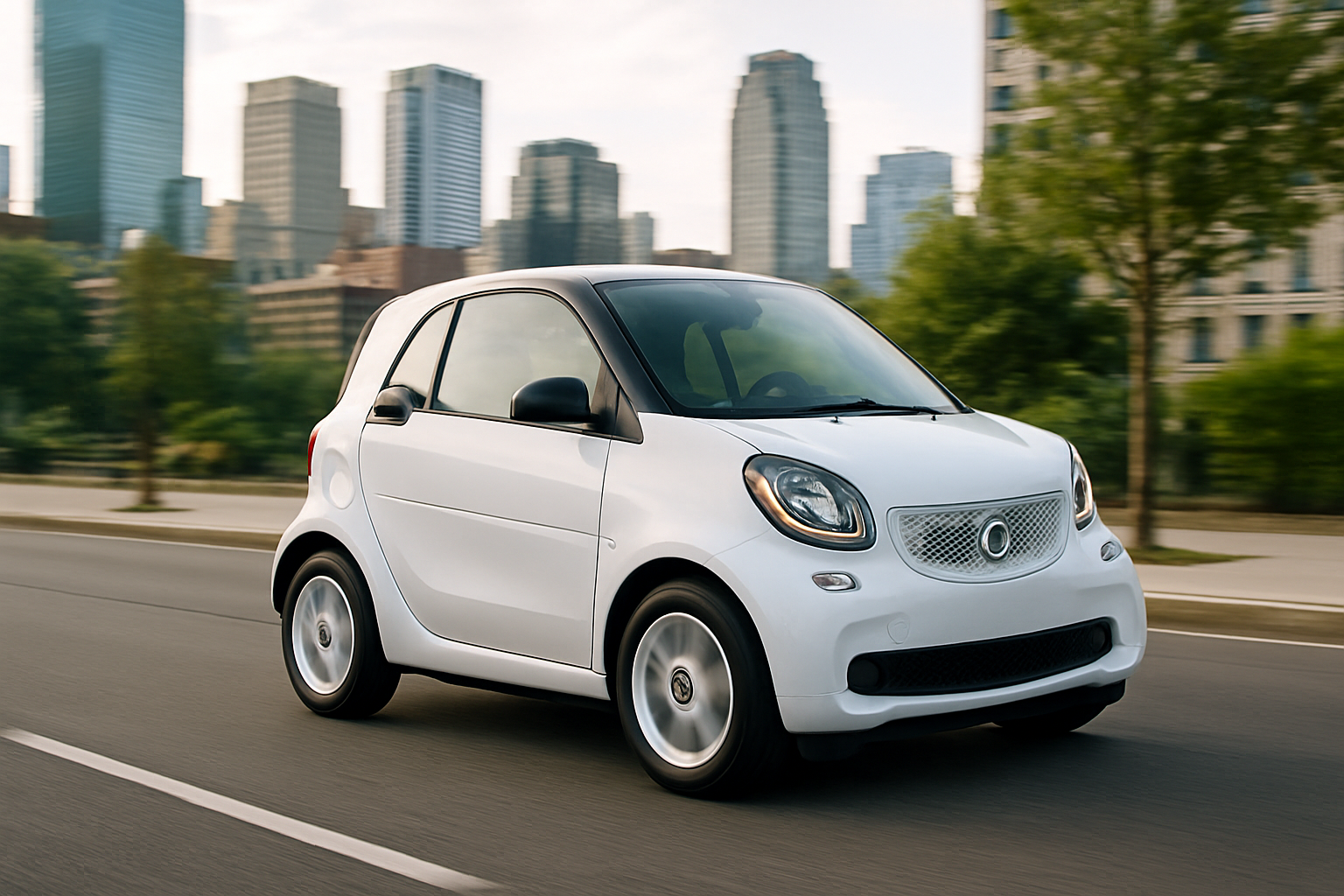
If you’ve ever looked at a Smart Car cruising by and wondered, “Okay, but how many miles per gallon does that tiny thing actually get?” — you’re not alone. These micro-sized city cars built a whole reputation on being unbelievably fuel-efficient. And even today, their MPG numbers still surprise people.
Below, we break down the miles per gallon for Smart Car models, including the popular 2009 Smart Fortwo and 2009 Smart Fortwo Passion, plus real-world mileage insights, the “Smart Twofour” confusion, efficiency tips, and the factors that actually affect how far one tank gets you.
Let’s jump in.
⭐ What Are the Miles Per Gallon for a Smart Car? (Quick Answer)
Most Smart Cars average 33–41 MPG in the city and 38–45 MPG on the highway, depending on the model year, maintenance, and driving style. The compact size and lightweight build help them stay extremely fuel-efficient — especially in stop-and-go city driving.
This is the short version. Now let’s break down the details.
2009 Smart Car MPG: What You Really Get
The 2009 Smart Car (officially part of the Smart Fortwo lineup) is one of the most researched model years because of its affordability and wide resale availability.
Typical EPA-estimated mileage:
- City: around 33–36 MPG
- Highway: around 38–41 MPG
- Combined: 36–38 MPG
But here’s what actually affects these numbers:
- Transmission mode
- How aggressively you accelerate
- Terrain and stoplight frequency
- Overall vehicle weight
Thanks to its super light frame and tiny 1.0-liter engine, the 2009 models still perform excellently today — especially for commuters who stick to city streets.
MPG Breakdown: 2009 Smart Fortwo
When people look up Smart Car mileage, they’re often talking about the 2009 Smart Fortwo — the classic “little cube car” that became iconic in Europe and then the U.S.
EPA/Estimated MPG:
- City: 33 MPG
- Highway: 41 MPG
- Combined: ~36 MPG
What affects the Fortwo’s mileage?
- The automated manual transmission has a unique shift feel
- Lightweight body
- Tight aerodynamics
- Ideal for short city runs
The Fortwo’s small turning radius and simple engineering also help keep fuel usage low during slow urban drives.
2009 Smart Fortwo Passion MPG
The 2009 Smart Fortwo Passion is the more upgraded trim level — giving you features like a panoramic roof, nicer interior finish, and optional comfort add-ons.
Does that change MPG?
Slightly, yes — depending on added features and weight.
Typical mileage:
- City: 33–35 MPG
- Highway: 39–41 MPG
- Combined: ~36 MPG
So overall, the Passion trim performs nearly identical to the base Fortwo. The difference is more about style and comfort than fuel efficiency.
Smart Twofour MPG: Clearing Up the Confusion
You’ll sometimes see people online asking about “Smart Twofour mpg” — usually a misspelling or mishearing of Smart Fortwo.
There is no Smart Twofour model, but the intended MPG numbers match the Fortwo’s figures:
- 33–41 MPG on average, depending on terrain and driving habits
This section targets semantic search users asking the same question in slightly different phrasing.
What Affects the Mileage of a Smart Car?
Even though Smart Cars are small and efficient, your actual MPG will shift based on how and where you drive.
1. Driving Style
Fast acceleration, hard braking, and constantly stopping reduce MPG instantly.
2. Weight Inside the Car
Even small cars feel the difference — extra cargo or passengers = more fuel use.
3. Tire Pressure
Under-inflated tires can drop fuel efficiency by up to 10%.
4. Weather Conditions
Cold climates reduce fuel efficiency, especially during warm-up.
5. Traffic & City Layout
Smart Cars shine in cities but bumper-to-bumper traffic still lowers MPG slightly.
6. Age & Maintenance
Older models (like 2009) rely more on:
- Clean air filters
- Timely oil changes
- Healthy spark plugs
If these aren’t maintained, MPG declines quickly.
How to Improve the MPG of Your Smart Car
Even if your Smart Car already sips fuel like a champion, these habits can boost your mileage even further:
• Accelerate smoothly
Avoid slamming the gas pedal. Smart Cars respond best to gentle starts.
• Keep tires properly inflated
Check them monthly to stay within recommended PSI.
• Don’t overload the cabin
They’re microcars — a trunk full of heavy gear absolutely affects MPG.
• Reduce idle time
Prolonged idling wastes fuel and lowers efficiency.
• Stay consistent with maintenance
A well-serviced Smart Car can squeeze out a few extra MPG.
Is a Smart Car Still Fuel-Efficient in 2025?
Yes — even older models like the 2009 Smart Fortwo remain impressively efficient. While hybrids and EVs now dominate the high-MPG conversation, Smart Cars still hold their own because they’re:
- Lightweight
- Compact
- Cheap to maintain
- Extremely city-friendly
For daily commuting, shop runs, and short trips, they’re still a fuel-saving win.
Pros and Cons of High-MPG Microcars
✅ Pros
- Very cheap to run
- Excellent parking and maneuverability
- Low emissions
- Ideal for city trips
- Great beginner-friendly cars
❌ Cons
- Limited cargo space
- Not ideal for long highway trips
- Some drivers dislike the shifting feel
- Lower power output
Still, if your main goal is maximum fuel efficiency, a Smart Car remains a smart choice.
Internal Links (Naturally Included)
Since Smart Car readers often look up maintenance and lifespan-related topics, link naturally to:
- How long do car batteries last?
- How long can you drive on a spare tire?
Both blend perfectly into the conversation without feeling forced.
Final Thoughts
The miles per gallon for Smart Car models generally sit between 33 and 45 MPG, making them one of the most fuel-efficient gas-powered vehicles of their era. Whether you’re driving a 2009 Smart Fortwo, a 2009 Smart Fortwo Passion, or another model year, maintaining your car and adopting fuel-efficient driving habits will help you get the most out of every tank.
If you want a quirky, reliable, city-friendly ride that keeps fuel costs low, a Smart Car still delivers — year after year.