






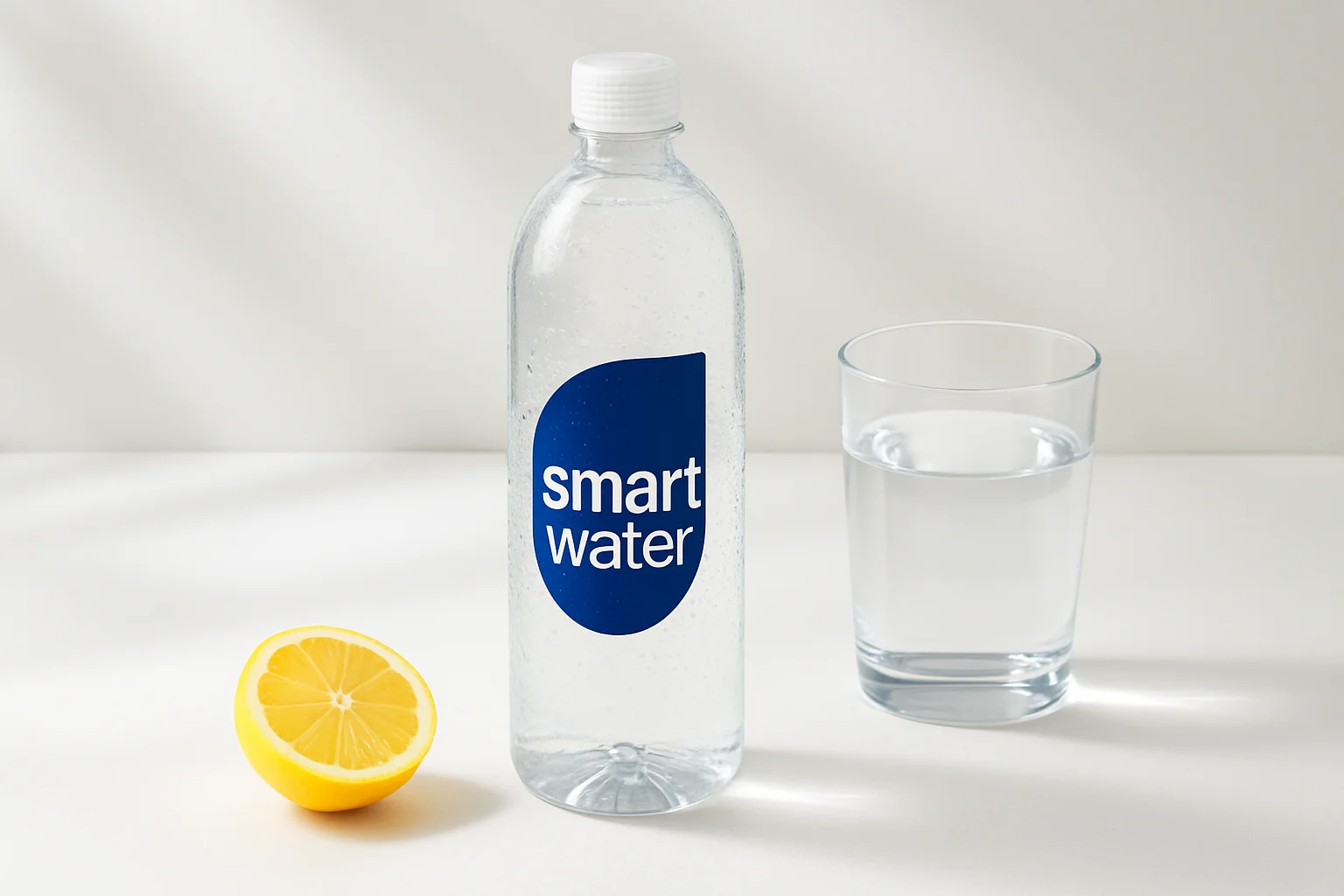
Premium water has become its own little universe — sleek bottles, minimalist branding, and hydration claims that sound like they came straight out of Silicon Valley. Sitting right at the top of that trend is Smart Water. But the big question everyone keeps asking is simple: does Smart Water have electrolytes? And if it does… does that actually matter?
Let’s break down what’s inside the bottle, what Smart Water really is, and whether those added electrolytes make it any different from the water in your tap.
Does Smart Water Have Electrolytes?
Yes — Smart Water contains added electrolytes such as calcium, magnesium, and potassium. But these minerals are added mainly to improve taste, not to boost athletic performance or replenish electrolytes the way a sports drink would. The levels are very low, so they don’t significantly enhance hydration.
What Is Smart Water, Exactly?
Smart Water is Glacéau’s “elevated hydration” bottled water that goes through a vapor-distillation process — essentially turning water into vapor, leaving impurities behind, and turning it back into liquid. This process creates what’s often called Smart Water distilled water, because the result is extremely pure H₂O.
Once distilled, Smart Water adds a small blend of electrolytes back in to give it a cleaner, crisper taste. So while the label leans into wellness vibes, the science behind it is actually simple: super-clean water with a subtle mineral boost for flavor.
Which Electrolytes Are in Smart Water?
Smart Water includes a tiny hint of:
- Calcium chloride
- Magnesium chloride
- Potassium bicarbonate
These minerals give Smart Water its signature “smooth” taste. But here’s the twist — the electrolyte levels are nowhere near what you’d get from actual electrolyte drinks.
So if you’re searching for a recovery drink after a sweaty workout, Smart Water isn’t the star of that show.
Is Smart Water Better Than Regular Water?
Depends on what you value.
If you love the taste, prefer purified water, or just enjoy how satisfying that tall bottle feels in your hand — it’s great.
But in terms of basic hydration, Smart Water doesn’t outperform tap water or any other purified bottled water. The added electrolytes aren’t high enough to offer measurable benefits, and your body doesn’t need fancy water to stay hydrated day-to-day.
This is where branding does a lot of heavy lifting.
Is Smart Water Bad for You?
The internet loves dramatic headlines, so it’s easy to stumble on claims that smart water is bad for you — but that’s largely misinformation. Smart Water is perfectly safe to drink. It’s purified, tested, and meets drinking water standards.
But here are a few considerations:
- It’s expensive — you’re paying for branding, not medical-grade hydration.
- It has no major health benefits — electrolytes are minimal.
- Plastic bottles matter — frequent bottled water use has an environmental footprint.
So no, Smart Water isn’t bad for you. It’s just not the miracle hydration hack the packaging might imply.
Smart Water vs. Real Electrolyte Drinks
If you’re comparing Smart Water to drinks specifically designed for replenishing electrolytes, here’s the breakdown:
Smart Water:
- Low electrolytes
- No sugar, no calories
- Best for everyday hydration
Sports drinks:
- High electrolytes
- Often contain sugar
- Designed for heavy sweating and intense exercise
Coconut water:
- Natural electrolytes (especially potassium)
- More hydration support than Smart Water
Smart Water isn’t trying to be an electrolyte hero — and that’s okay. It’s more “premium water” than “performance drink.”
Is Smart Water Just Distilled Water?
Kind of — but with a twist.
Smart Water starts as distilled water through vapor distillation. Distilled water on its own can taste flat because the minerals are removed, so Smart Water adds electrolytes back in to balance the flavor.
Distilled water is totally safe to drink, but it’s not necessary for most people who have access to clean tap water.
When Is Smart Water Actually Worth Buying?
Here’s when Smart Water makes sense:
✔ You prefer water with a crisp, clean taste
✔ You want purified water with minimal impurities
✔ You enjoy premium water brands
✔ You want a consistent flavor wherever you go
Here’s when it doesn’t:
✘ You want electrolyte-heavy hydration
✘ You’re watching your budget
✘ You’re trying to cut down on plastic
For most people, Smart Water is a “nice-to-have,” not a hydration essential.
FAQs
Is Smart Water good for hydration?
Yes — Smart Water hydrates just like any purified water. It’s clean and tastes smooth, but its electrolyte content is too low to provide enhanced hydration benefits beyond normal drinking water.
Does Smart Water have enough electrolytes for workouts?
No. Smart Water has small amounts of electrolytes added for flavor, not athletic recovery. After heavy sweating or long workouts, a proper electrolyte drink or coconut water is more effective.
Is Smart Water the same as distilled water?
Smart Water is vapor-distilled, which makes it similar to distilled water. But unlike pure distilled water, Smart Water adds electrolytes back in to improve taste.
What makes Smart Water different from regular water?
Its biggest differences are purification method, added minerals for taste, and branding. In terms of health benefits, it doesn’t outperform everyday drinking water.
Final Thoughts
So, does Smart Water have electrolytes? Yes — but only enough to influence taste, not enough to change your hydration game. Smart Water’s real advantage is its clean, smooth flavor and consistency, not its mineral boost.
If you love premium water, go for it. If you’re looking for serious electrolyte power, look elsewhere.