






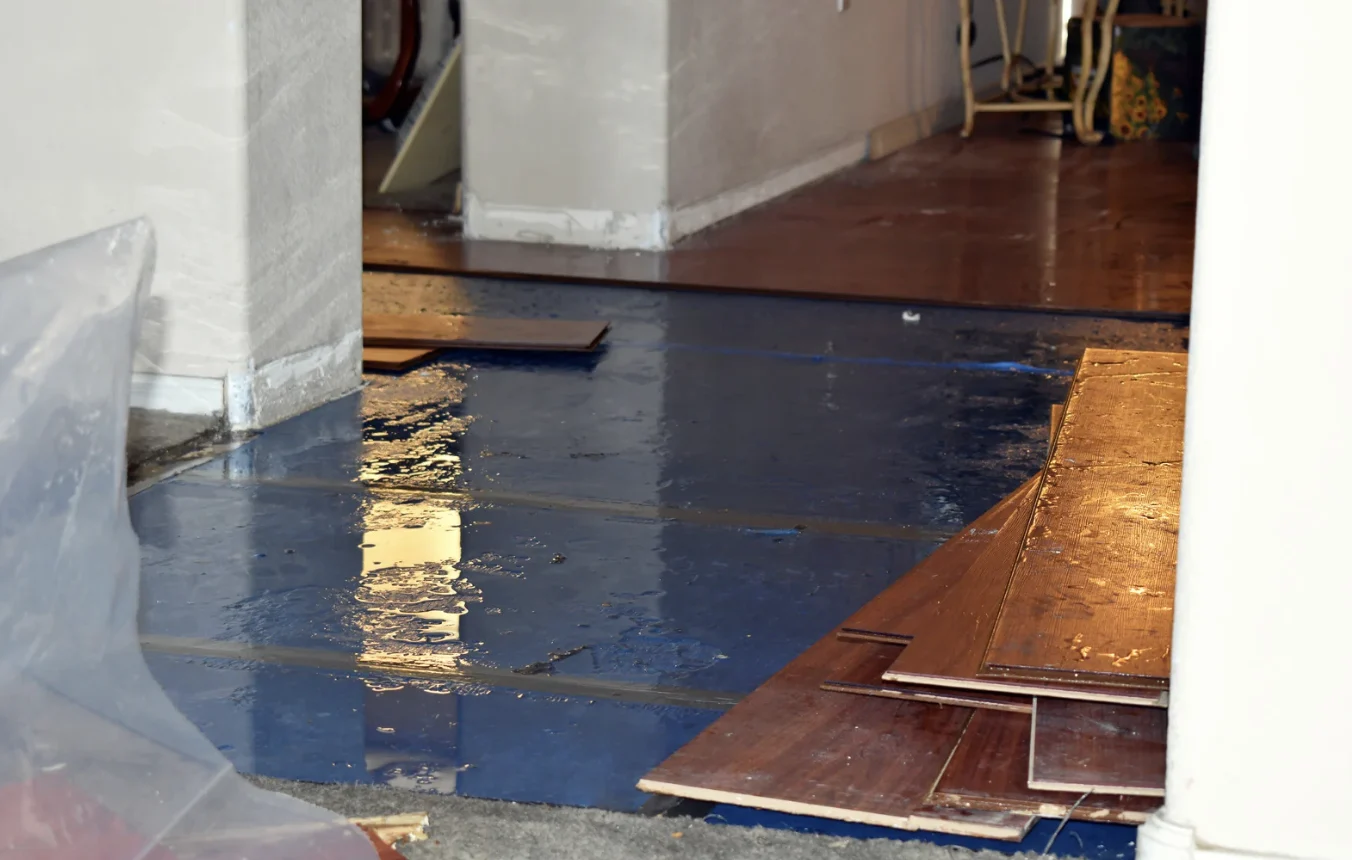
Water damage is one of those problems that looks smaller on the surface than it actually is. A stain on the ceiling, a musty smell in the basement, a soft spot in the floor, each one can represent hours of concealed damage that has been spreading behind walls, under floors, and through structural framing while the visible symptom sat there looking manageable.
The reason most water damage gets worse before it gets addressed is that people wait. They wait to see if the stain spreads. They wait to check behind the wall. They wait because tearing into drywall feels drastic for what looks like a minor problem. By the time the visible symptoms become undeniable, the hidden damage has usually extended well beyond what the surface suggests.
The EPA advises drying water-damaged areas within 24 to 48 hours to prevent mold growth, and notes that mold can grow in hidden areas, including the back of drywall, the underside of carpet, inside duct systems, and behind baseboards, all places homeowners typically do not inspect during a casual walk-through.
Homeowners in northern Colorado who have found any of the signs below should contact water restoration fort collins co professionals for a moisture assessment before determining the scope. Waiting to confirm the extent of damage before calling is often the decision that turns a $2,000 job into a $15,000 one.
Here are the eleven signs that your water damage is more serious than it appears.
1. A Stain That Keeps Coming Back After Drying
A ceiling or wall stain that dries out and reappears during rain or after the plumbing runs is a sign of an active moisture source. Stains that recur are not cosmetic, they are symptoms of an ongoing intrusion. The wood or drywall behind the stain is repeatedly cycling between wet and dry, which causes faster structural degradation and creates ideal conditions for mold colonization within the material.
2. Musty Odor With No Visible Source
Mold produces microbial volatile organic compounds (MVOCs) that create the characteristic musty smell before visible colonies appear on surfaces. A musty odor in a room that has no visible mold means the mold is growing in a hidden area, behind walls, under flooring, inside ceiling cavities, or in the HVAC duct system. The odor is a leading indicator, not a coincidental one.
A persistent musty smell after a water event, even after visible surfaces have dried and been cleaned, almost always means moisture has penetrated into a wall cavity, subfloor, or insulation layer that was not reached by surface drying efforts.
3. Soft, Spongy, or Buckled Flooring
Wood flooring that has a soft spot, laminate that has buckled upward, or vinyl plank that has separated at the seams indicates moisture below the surface. Hardwood and engineered wood floors absorb moisture from below when a subfloor is wet, long before any visible discoloration appears on the surface. The structural damage to the subfloor and the floor joists below it is typically the more significant repair.
Soft spots in wood floors near bathrooms, kitchens, or under appliances are frequently a sign of a slow leak that has been saturating the subfloor for weeks or months.
4. Paint or Wallpaper Bubbling or Peeling
Paint bubbles from a wall surface when moisture is trapped between the paint layer and the wall material. When paint on a wall that has not been recently painted begins blistering or peeling, moisture is present behind the paint film. This can come from a pipe inside the wall, condensation from temperature differentials, or moisture migrating through the wall from an exterior source.
Wallpaper that is separating at seams or lifting from the wall surface follows the same pattern: adhesive breaks down when the substrate is wet. The moisture source is typically behind the wall.
5. Wall or Ceiling Discoloration That Extends in Multiple Directions
A water stain that is spreading outward from a central point suggests active moisture migration through the material. Water moves laterally through drywall paper, insulation, and wood framing, following the path of least resistance. A stain that extends toward corners, runs along seams, or has spread since it was last observed indicates moisture that is still present and still moving.
Discoloration that is white or chalky rather than brown indicates efflorescence, mineral deposits left as water evaporates from masonry surfaces. Efflorescence in a basement or on a concrete block wall confirms water is regularly migrating through the wall, which signals ongoing hydrostatic pressure against the foundation.
6. Visible Mold Growth, Even Small Patches
Any visible mold on a surface is evidence that the moisture condition has persisted long enough for mold to establish and produce a colony. The EPA defines mold growth over 10 square feet as a medium-scale remediation job requiring containment protocols. But the visible surface area is rarely the full extent of the growth; mold colonies on visible surfaces typically indicate larger growth on the adjacent hidden surfaces that have had equal or greater moisture exposure.
A small visible patch of mold at the base of a wall is often the external marker of a larger colony on the interior face of the drywall or in the insulation cavity behind it.
7. Doors or Windows That Stick or No Longer Align
Wood expands when it absorbs moisture. A door or window that has recently begun sticking, binding in its frame, or failing to close properly in an area that has experienced water damage indicates that the framing lumber around the opening has swollen. This is a structural response to moisture, and it points to wood framing that is still wet rather than dried out.
Persistent sticking after a water event that otherwise appeared to resolve suggests the framing moisture content has not normalized, which is a precursor to wood decay and potential mold growth within the wall cavity.
8. Sagging or Warping Drywall or Ceiling Panels
Drywall that is sagging, warped, or has a soft or crumbly texture is structurally compromised by moisture. Gypsum, the core material in drywall, dissolves when saturated and does not recover its structural properties when dried. Sagging drywall in a ceiling indicates water accumulation above the panel, either from a roof leak, a plumbing leak, or condensation buildup that has saturated the ceiling cavity.
Warped or delaminating drywall on a wall indicates that the paper facing has separated from the gypsum core due to moisture exposure. Both conditions require full panel replacement and moisture source investigation.
9. Rust Stains Around Pipes, Fasteners, or Fixtures
Rust stains at pipe penetrations through walls or floors, around plumbing fixtures, or on visible fasteners indicate prolonged moisture contact with ferrous metal. Rust takes time to develop, rust staining visible at a pipe penetration that has no known source is a sign of a slow chronic leak rather than an acute event. Slow leaks that have been ongoing long enough to produce rust staining have typically been saturating adjacent wood and insulation materials for months.
10. Increased Indoor Humidity or Condensation Inside the Home
A home whose indoor relative humidity has increased without a change in occupant behavior, ventilation, or weather may have a hidden moisture source introducing water vapor into the indoor air. Condensation on interior window surfaces during moderate outdoor temperatures, sweating pipes in areas that did not previously show condensation, or a general increase in indoor stuffiness can all indicate elevated indoor humidity from a concealed moisture intrusion.
Moisture meters used by professional restorers can identify elevated material moisture content in walls, floors, and ceilings that are not yet visibly wet but have been absorbing moisture from a hidden source.
11. Water Bills That Have Increased Without Explanation
A residential water bill that has climbed without a corresponding increase in usage almost always indicates a water leak somewhere in the home’s plumbing system. Slow leaks, dripping supply line connections, pinhole leaks in copper pipe, and failed toilet fill valves can lose hundreds of gallons per week without producing an obvious visible symptom at first. By the time the elevated bill prompts an investigation, the leak has often been running long enough to saturate building materials in its vicinity.
If any of these signs are present, a professional moisture assessment using thermal imaging and moisture meters is the fastest way to determine the actual scope of the problem. Surface appearance consistently underestimates hidden damage, and the cost of mitigation increases significantly with each week that wet materials remain untreated.