






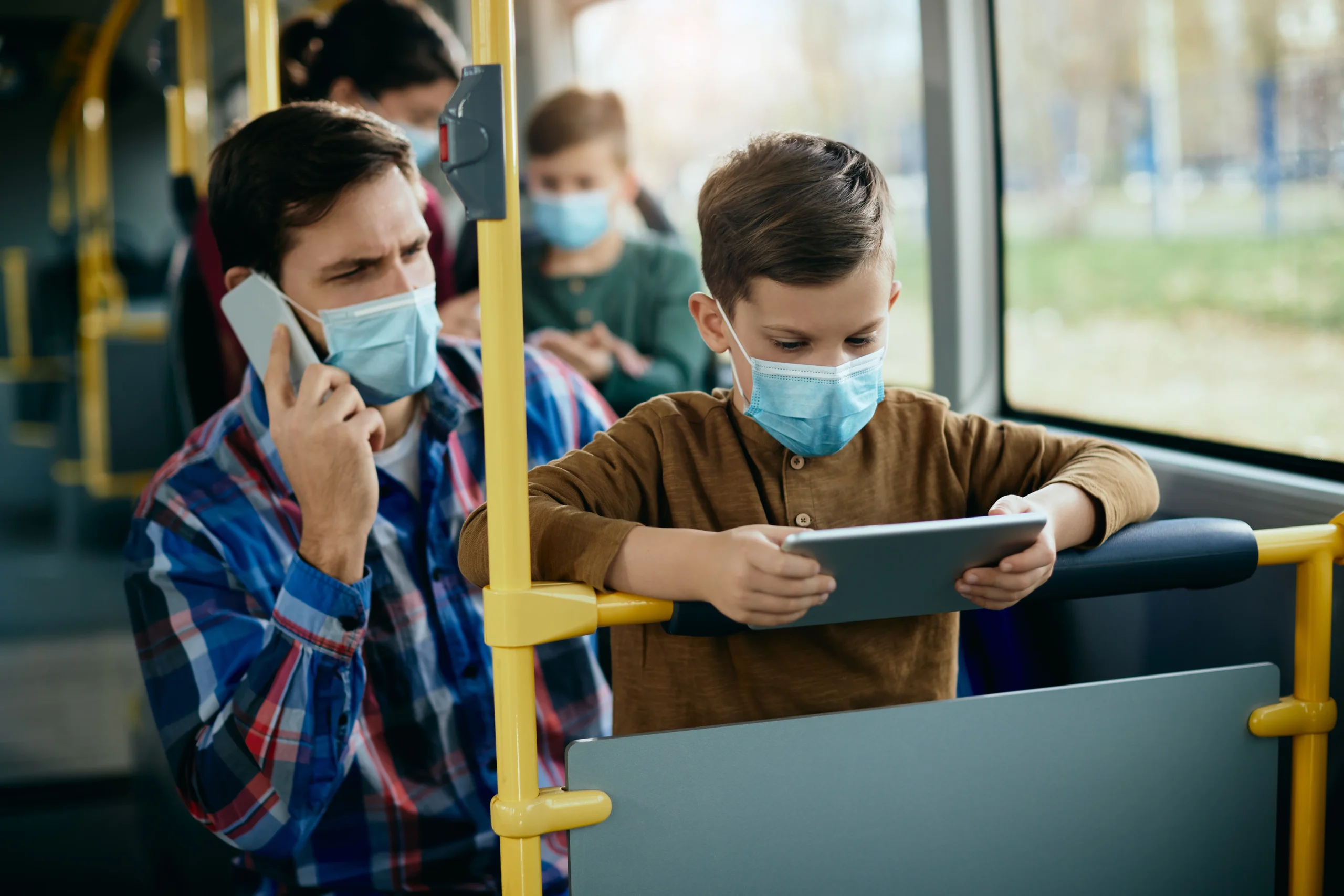
Student safety during transportation is a growing concern for schools and parents alike. According to the National Highway Traffic Safety Administration, millions of children rely on school buses daily, making it one of the most widely used forms of student transportation. While school buses remain among the safest vehicles on the road, incidents related to bullying, driver behavior, and accidents still occur.
As schools look for ways to improve accountability and safety, many are turning to advanced surveillance tools like a school bus camera system. These systems are no longer limited to basic recording. Modern solutions now offer AI-powered monitoring, real-time alerts, and cloud-based access that significantly improve visibility and response times.
This guide covers everything you need to know about school bus camera systems, including benefits, features, costs, and how to choose the right solution in 2026.
What Is a School Bus Camera System?
A school bus camera system is a surveillance setup installed inside and outside school buses to monitor activity, ensure safety, and record incidents. These systems typically include multiple cameras positioned to capture driver behavior, student interactions, and road conditions.
Unlike traditional CCTV, modern systems are equipped with smart features such as remote access, GPS tracking, and intelligent video analytics. This allows school administrators to monitor transportation operations in real time and review footage when needed.
Why Schools Are Investing in School Bus Camera Systems
Schools are increasingly adopting a school bus camera system because transportation safety extends beyond driving. It involves monitoring behavior, preventing incidents, and ensuring accountability.
Improved Student Safety
Cameras act as a deterrent against bullying, vandalism, and unsafe behavior. Students are less likely to engage in misconduct when they know they are being monitored.
Enhanced Driver Accountability
Footage helps ensure drivers follow safety protocols. In case of complaints or incidents, administrators can quickly verify what happened.
Faster Incident Resolution
Whether it is an accident or a behavioral issue, recorded footage provides clear evidence. This reduces disputes and speeds up investigations.
Parent Confidence
Parents feel more secure knowing that their children are being monitored during transit. This transparency builds trust between schools and families.
Reduced Liability Risks
Having video evidence can protect schools from false claims and legal complications. It provides a reliable record of events.
Key Features to Look for in a School Bus Camera System
Not all systems are created equal. Schools should prioritize features that go beyond basic recording and offer real-time insights.
Multi-Camera Coverage
A good system should include cameras for:
- Interior monitoring
- Driver view
- Entrance and exit doors
- Road-facing views
This ensures complete visibility of all activities.
Real-Time Monitoring
Modern systems allow administrators to access live feeds remotely. Advanced platforms such as a school bus camera system powered by AI solutions like Coram enable real-time alerts and centralized monitoring across multiple buses.
Cloud Storage
Cloud-based systems eliminate the need for manual data retrieval. Footage can be accessed anytime from anywhere, making it easier to manage and review.
AI-Powered Alerts
AI features can detect unusual behavior such as fights, unauthorized access, or unsafe driving patterns. This allows for proactive intervention.
GPS Integration
GPS tracking helps monitor routes, delays, and bus locations in real time. It also provides context for video footage.
Night Vision and HD Video
Clear footage is essential, especially during early mornings or late afternoons. High-definition cameras with night vision ensure visibility in all conditions.
Types of School Bus Camera Systems
Understanding the different types of systems can help schools make informed decisions.
Basic Recording Systems
These systems record footage locally and require manual retrieval. They are cost-effective but lack advanced features.
Hybrid Systems
Hybrid systems combine local storage with limited remote access. They offer a balance between cost and functionality.
Cloud-Based Systems
Cloud-based solutions provide remote access, real-time monitoring, and scalability. These systems are ideal for modern school districts managing multiple buses.
School Bus Camera System Costs in 2026
The cost of a school bus camera system varies depending on features, scale, and technology.
Initial Installation Costs
Basic systems may start around $500 to $1,500 per bus. Advanced systems with AI and cloud integration can range from $2,000 to $5,000 per bus.
Ongoing Costs
Cloud storage, software subscriptions, and maintenance can add monthly or annual expenses. However, these costs are often offset by improved efficiency and reduced liability.
Return on Investment
While the upfront cost may seem significant, the long-term benefits outweigh the investment. Schools save time on investigations, reduce legal risks, and improve operational efficiency.
How to Choose the Right School Bus Camera System
Selecting the right system requires careful evaluation of your school’s needs and priorities.
Assess Your Safety Goals
Identify what you want to achieve. Is your focus on student behavior, driver monitoring, or route tracking?
Consider Scalability
Choose a system that can grow with your needs. Cloud-based solutions are often more flexible for expanding fleets.
Evaluate Ease of Use
Administrators and staff should be able to access and manage the system بسهولة without extensive training.
Check Integration Capabilities
The system should integrate with existing tools such as school management software or emergency response systems.
Focus on Reliability
Look for systems with strong uptime, secure data storage, and consistent performance.
Future Trends in School Bus Camera Systems
Technology continues to evolve, and school bus surveillance is becoming more intelligent.
AI-Driven Insights
AI is transforming how schools monitor safety. Systems can now analyze behavior patterns and provide predictive insights.
Real-Time Alerts
Instant notifications enable quicker responses to incidents, reducing risks and improving outcomes.
Integration with Smart School Systems
School bus camera systems are increasingly being integrated into broader school safety ecosystems, including access control and emergency management platforms.
FAQs
What is the main purpose of a school bus camera system?
The primary purpose is to enhance student safety, monitor behavior, and provide evidence in case of incidents.
Are school bus camera systems expensive?
Costs vary depending on features, but there are options available for different budgets. Advanced systems offer better long-term value.
Can parents access bus camera footage?
In most cases, access is limited to school authorities to maintain privacy and security. However, footage may be shared when necessary.
Do camera systems prevent bullying?
They act as a strong deterrent and help schools quickly address incidents, making buses safer for students.
Are cloud-based systems better?
Yes, cloud-based systems offer real-time access, scalability, and easier management compared to traditional systems.
Conclusion
A school bus camera system is no longer a luxury but a necessity in modern education environments. As schools face increasing pressure to ensure safety and accountability, these systems provide a reliable and effective solution.
From improving student behavior to reducing liability risks, the benefits are clear. With advancements in AI, cloud technology, and real-time monitoring, school bus camera systems are becoming smarter and more efficient.
By choosing the right system based on your needs, budget, and long-term goals, schools can create a safer transportation environment for every student.