





When passengers settle into their seats and prepare for takeoff, they’re witnessing just the final chapter of a story that’s been unfolding for hours. Behind every smooth departure lies an intricate ballet of technology, procedures, and skilled professionals working together with remarkable precision. From the moment an aircraft touches down at the gate until it pushes back for its next journey, dozens of critical operations unfold to guarantee safety, comfort, and on-time performance. These pre-flight operations showcase the incredible sophistication of modern aviation, and the dedication of the people who’ve made flying one of the safest ways to travel.
Aircraft Arrival and Gate Positioning
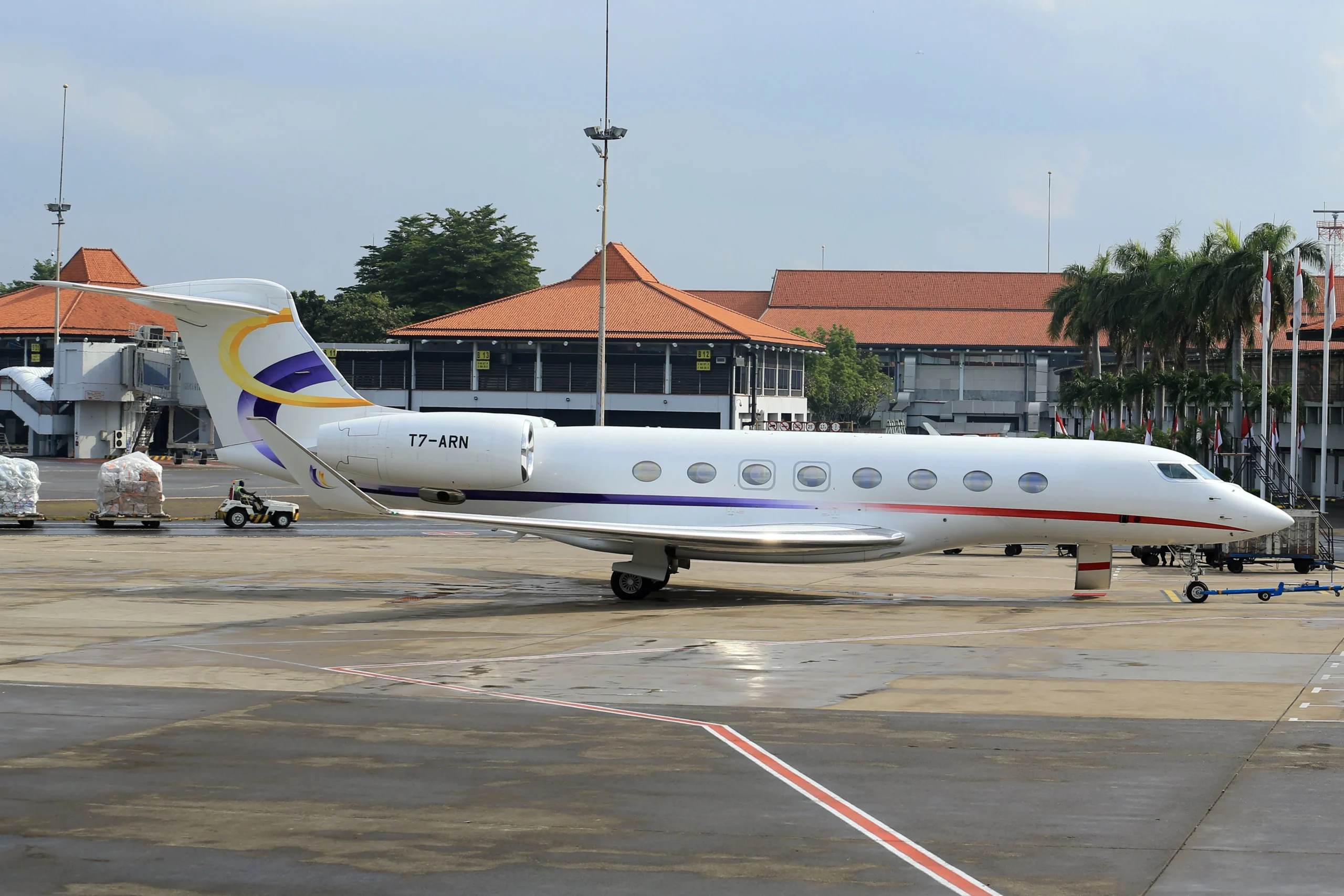
The pre-flight journey actually kicks off when an aircraft wraps up its previous flight and pulls into the gate. As soon as the engines wind down, ground crews jump into action with choreographed timing that would impress any stage director. Marshalling personnel guide the aircraft to its exact parking spot using either time-tested hand signals or cutting-edge visual docking systems that project parking instructions right onto the pilots’ displays. Getting this positioning just right isn’t merely about looking neat, even a couple of feet off target can throw off jetway deployment, block ground equipment access, or create dangerous clearance issues with neighboring aircraft.
Ground Power and Essential Services Connection
Once the aircraft sits securely in position, connecting external power and air conditioning shoots straight to the top of the priority list. Sure, aircraft can run their own auxiliary power units to handle these needs, but that approach guzzles fuel and creates noise that nobody appreciates during gate operations. Ground power units pump electricity into the aircraft to keep everything humming, cockpit displays, cabin lights, and all the systems in between, while the engines take a well-deserved break. Pre-conditioned air units work overtime to regulate cabin temperature, keeping passengers comfortable during boarding and preventing the greenhouse effect that can turn a parked aircraft into an oven, even on seemingly pleasant days.
Cargo Operations and Weight Distribution
While passengers gather their belongings and head toward the gate, cargo handlers are deep in the belly of the aircraft, methodically loading baggage, mail, and freight. This isn’t just a game of Tetris, it’s a calculated science that requires strategic placement to maintain proper weight distribution throughout the aircraft. Load planners rely on advanced computer systems to craft detailed loading plans that factor in where passengers are sitting, how much fuel is onboard, where cargo gets stowed, and those all-important center of gravity requirements. Get the weight distribution wrong, and you’re looking at serious impacts on aircraft performance, fuel efficiency, and safety during the critical phases of takeoff and landing.
Fueling Operations and Quality Assurance
Aircraft refueling stands out as one of those operations where efficiency and safety protocols must dance together in perfect harmony. Fuel trucks or hydrant systems pump thousands of gallons of aviation fuel into the aircraft, with the precise amount determined through calculations that consider flight distance, weather patterns, alternate airport requirements, and the regulatory reserves that rules mandate. Before a single drop flows, technicians verify fuel quality through visual checks and testing for water contamination or other nasties that could wreak havoc on engine performance. The actual fueling process follows procedures designed to prevent spills, eliminate static electricity risks, and avoid other potential hazards that come with handling volatile liquids.
Maintenance Inspections and Technical Checks
Before every single flight, maintenance personnel conduct thorough inspections using detailed checklists that change based on how long it’s been since the last check. Walk-around inspections take them around the entire aircraft exterior, looking for damage, fluid leaks, tire wear, and confirming that all external components are configured correctly. Technicians make sure access panels are buttoned up tight, antennas haven’t taken any hits, and those warning flags or safety pins have been pulled from landing gear and other systems where they’ve been keeping things safe during ground operations. Inside the aircraft, maintenance crews verify emergency equipment is ready to go, check that all required paperwork is up to date, and tackle any mechanical gremlins that previous flight crews flagged in their reports.
Flight Crew Preparations and System Verification
While all that ground activity buzzes away, flight crews show up well ahead of departure time to launch into their own exhaustive preparation routine. Pilots dig into computerized flight plans, pore over weather forecasts, review notices about airport conditions and airspace restrictions, and scrutinize aircraft maintenance logs for anything that needs attention. Up in the cockpit, they work methodically through pre-flight checklists that verify hundreds of systems and components are playing nicely together. Today’s aircraft may be highly automated marvels, but pilots still need to confirm that each system boots up correctly and responds the way it should when they give it commands.
Final Preparations and Push Back
As departure time creeps closer, the activity around the aircraft kicks into high gear during this crucial coordination phase. The flight deck crew receives final weight and balance numbers, integrating actual passenger counts and cargo loads into their performance calculations that will determine everything from takeoff speeds to fuel requirements. Ground crews make one last sweep to confirm all service panels are sealed, equipment has been disconnected and rolled away, and the area surrounding the aircraft is clear of people and obstacles. A final round of communication between cockpit, cabin crew, and ground personnel verifies that all doors are secured and everyone’s ready for push back. When maneuvering aircraft away from the terminal, ground crews rely on a quality aircraft tug to carefully position the plane for departure. After clearing the gate area and reaching proper positioning, engines fire up in sequence, and the flight crew receives their clearance from air traffic control to start the taxi toward the runway. This pivotal moment represents the payoff for hours of coordinated effort by dozens of professionals working across completely different disciplines but united in a common mission.
Conclusion
The pre-flight operations unfolding before every departure showcase what modern aviation does best, blending advanced technology, rigorous procedures, and human expertise into something truly remarkable. From gate arrival through taxi clearance, hundreds of individual tasks get completed with the kind of precision and attention to detail that most industries can only dream about. Ground crews, maintenance pros, flight teams, and countless support staff orchestrate this carefully timed performance to make sure every flight leaves safely and punctually. The technology supporting these operations keeps getting better, smarter load planning computers, more sophisticated inspection techniques, systems that communicate and verify in ways that seemed like science fiction just years ago.