






A contained room fire can be alarming, even when damage appears limited to a single area of the home. While flames may have been extinguished quickly, heat, smoke, and residue often affect surrounding materials in ways that are not immediately visible. Many homeowners underestimate the lingering impact of soot, structural stress, and air quality concerns after a small fire. Safe restoration practices focus on more than appearance. They prioritize stability, health, and long term resilience so the affected space can be used confidently again. Following proven restoration principles helps ensure that recovery is thorough rather than rushed.
Assessing Hidden Damage Beyond the Burn Area
One of the most important steps after a contained fire is evaluating damage that extends beyond the visibly burned room. Heat travels easily through walls, ceilings, and ventilation systems, potentially impacting wiring, insulation, and framing in adjacent spaces. Smoke residue can penetrate porous surfaces such as drywall and upholstery, leaving behind contaminants that are difficult to remove without proper assessment. A detailed inspection determines whether structural components remain sound or need reinforcement. Homeowners often work with a Cincinnati restoration company during this phase to identify areas where heat exposure or residue could create future safety issues if left unaddressed.
Prioritizing Air Quality and Residue Removal
Even after flames are contained, indoor air quality can remain compromised. Smoke particles and soot often linger in the air and on surfaces, contributing to odors and respiratory irritation. Safe restoration practices focus on controlled residue removal rather than surface cleaning alone. Specialized cleaning methods are used to treat walls, ceilings, and structural surfaces without spreading contaminants further. Air filtration and targeted ventilation support the removal of airborne particles that may not be visible. Addressing air quality early helps restore a healthy indoor environment and prevents lingering odors from becoming permanent.
Repairing Fire Affected Materials Safely
Not all materials exposed to heat and smoke can be salvaged safely. Certain finishes, insulation products, and building components may lose strength or emit odors long after cleaning. Safe restoration includes careful evaluation of which materials can be restored and which must be replaced. Removing compromised materials protects the integrity of the rebuilt space and prevents future performance issues. Replacement materials are selected to match existing construction while meeting current safety standards. Thoughtful repair decisions ensure that the restored room is both structurally sound and visually consistent with the rest of the home.
Addressing Electrical and Structural Safety
Contained fires often involve electrical sources or create heat exposure that affects wiring behind walls. As part of safe restoration, electrical systems in and around the affected room should be evaluated for heat damage, compromised insulation, or altered connections. Structural supports near the fire site are also assessed for signs of stress or warping caused by elevated temperatures. Addressing these elements during restoration reduces the risk of future hazards and ensures the repaired space meets safety expectations. These behind the scenes practices are critical even when visible damage appears minimal.
Rebuilding With Prevention and Resilience in Mind
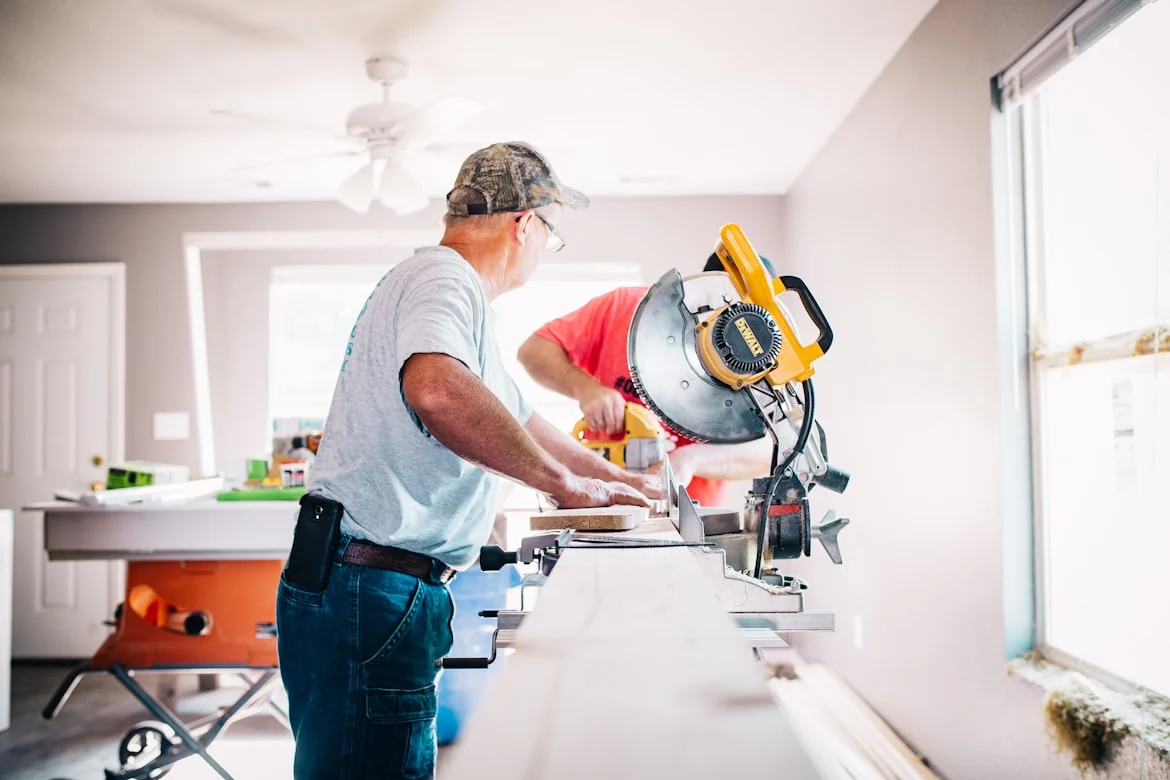
Restoration after a contained fire offers an opportunity to improve resilience rather than simply restore what existed before. Fire resistant materials, improved finishes, and updated ventilation elements can be integrated discreetly into the rebuilt space. These enhancements do not change the character of the room but provide added protection against future issues. Thoughtful design choices also help ensure that repaired areas blend seamlessly with adjoining rooms, avoiding the appearance of patchwork repairs. Rebuilding with intention transforms recovery into an upgrade rather than a setback.
Supporting a Smooth Return to Daily Use
A safe restoration process considers how the space will function once it is returned to daily use. Proper cleaning, odor control, and finish quality all contribute to comfort and peace of mind. Storage areas, flooring transitions, and lighting are reviewed to ensure the restored room feels complete rather than disrupted. Taking the time to address details helps eliminate reminders of the fire event and restores confidence in the home environment. When restoration is done thoroughly, living spaces regain both practicality and normalcy.
Conclusion
Contained room fires still require careful and deliberate restoration to ensure long term safety and comfort. By assessing hidden damage, prioritizing air quality, repairing compromised materials, and rebuilding with resilience in mind, homeowners can recover confidently from localized fire incidents. Safe restoration practices focus on protecting the structure, the indoor environment, and the people who live there. When recovery is approached with care rather than haste, the home can emerge stronger, healthier, and fully ready for everyday life again.