






For many, the day doesn’t truly begin until the first sip of coffee hits the palate. However, if your morning brew has started tasting bitter, or if your machine is gurgling louder than usual, it is likely crying out for a deep clean. Proper maintenance isn’t just about taste; it’s about hygiene and protecting your investment.
In this comprehensive guide, we will explore the best practices for maintaining various machines, from standard drip brewers to popular pod systems, ensuring your kitchen remains a hub of efficiency.
Why Regular Cleaning Matters (E-E-A-T)
A coffee maker is a breeding ground for yeast, mold, and mineral deposits. Because the environment is warm and damp, bacteria can flourish in the water reservoir and internal tubing.
- Mineral Buildup: Calcium and magnesium from your tap water create “scale,” which clogs the internal heating elements.
- Coffee Oils: Over time, coffee oils oxidize and turn rancid, leading to a burnt or metallic flavor.
- Machine Longevity: Regular descaling prevents the pump from burning out, much like how you would perform deep maintenance on other household areas. When you are tidying up your brewing station, it is the perfect time to learn how to clean kitchen cabinets to keep the whole area sanitary.
How to Clean a Coffee Maker: The Standard Drip Method
Most households use a classic drip machine. These require a monthly deep clean to function at peak performance.
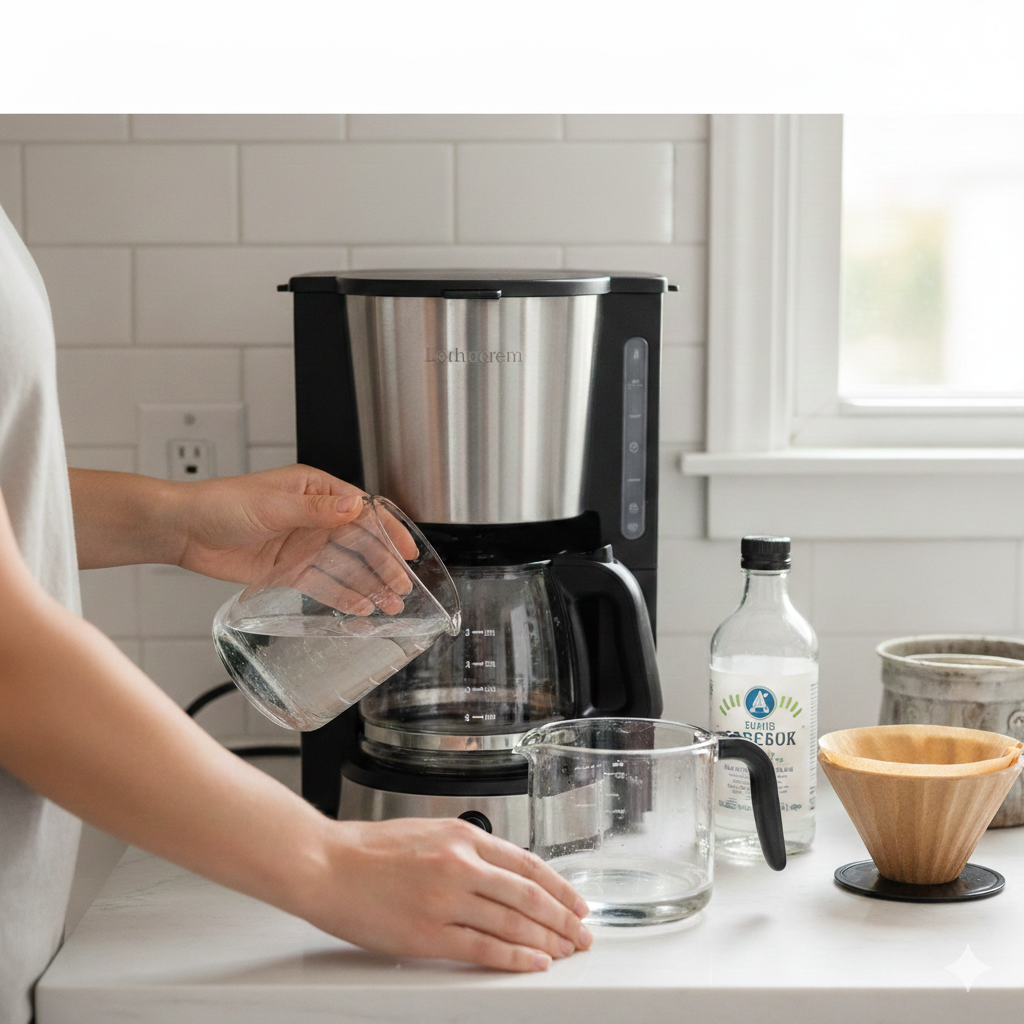
AEO Answer: To clean a standard coffee maker, fill the water reservoir with a mixture of 50% white vinegar and 50% distilled water. Run a brew cycle until the carafe is half full, then turn the machine off. Let it sit for 30–60 minutes to break down scale. Finish the cycle, discard the mixture, and run two additional cycles with plain water to rinse.
Step-by-Step Deep Cleaning
- Empty the Machine: Remove any old grounds or filters.
- The Vinegar Solution: Use white vinegar for its natural acidity, which dissolves calcium.
- The Soak: Allowing the solution to sit in the “innards” of the machine is crucial for dissolving stubborn buildup.
- The Rinse: If you still smell vinegar after two rinses, run a third.
If you find that your machine is taking an exceptionally long time to fill or the spray head is weak, you might want to check if the issue is with the machine or if you need to how to improve water pressure in my house to ensure your appliances receive adequate flow.
Brand-Specific Cleaning Guides
Different brands have unique internal architectures that require specific care.
How to Clean a Keurig Coffee Maker
Keurigs are prone to “needle clogs.”
- The Needle: Use a straightened paperclip to gently clear any coffee grounds stuck in the entry and exit needles.
- Descaling Mode: Most modern Keurigs have a dedicated “Descale” light. Use a descaling solution or vinegar and hold the 8oz and 12oz buttons simultaneously to enter the cleaning mode.
How to Clean a Cuisinart Coffee Maker
Cuisinart machines often feature a built-in “Clean” alert.
- The Charcoal Filter: Always remove the charcoal water filter before cleaning with vinegar, or the filter will absorb the vinegar taste.
- Self-Clean Button: Press the ‘Clean’ button after adding your solution; the machine will automatically cycle the water at a temperature optimized for descaling.
How to Clean a Ninja Coffee Maker
Ninja Coffee Bars are known for their “Flush” cycle.
- The Reservoir: The Ninja reservoir is usually removable and dishwasher safe (top rack).
- The Cycle: Select the “Full Carafe” size and press the “Clean” button. The Ninja cleaning cycle takes longer (about 60 minutes) because it pulses the water to scrub the internal valves.
How to Clean a Bunn Coffee Maker
Bunn machines keep water hot constantly, meaning they scale up faster than others.
- The Spray Head: Unscrew the spray head by hand. Use a toothpick to clear the holes.
- Deliming Tool: Bunn often provides a flexible “deliming tool” to insert into the spray head tube to knock loose any lime deposits.
Maintenance Schedule Table
| Frequency | Task | Benefit |
| Daily | Wash carafe and brew basket with soap. | Removes fresh coffee oils. |
| Weekly | Wipe down the exterior and hot plate. | Prevents staining and dust buildup. |
| Monthly | Deep clean with vinegar or solution. | Dissolves mineral “scale.” |
| Quarterly | Replace water filters. | Ensures better tasting, purified water. |
Troubleshooting Common Issues
- Machine Won’t Brew: This is usually a severe lime blockage. Try running a cycle with 100% vinegar.
- Leaking from the Bottom: This could indicate a cracked hose or a faulty seal.
- Bitter Taste: If the machine is clean but the coffee is bitter, try a coarser grind or check your water quality.
By following these steps, you ensure that every cup of coffee is as fresh and flavorful as the first one you ever made with the machine.