






You have likely seen “calamari” on a menu, usually as crispy fried rings served with marinara sauce. But recently, the term “calamariere” has started appearing in food searches and culinary discussions, leaving many home cooks confused. Is it a new species of squid? A fancy French cooking technique? Or simply a misspelling?
In the culinary world, calamariere generally refers to refined squid preparations, drawing deeply from the Italian word calamaro (squid). While often confused with calamarata (a specific pasta shape), the concept of calamariere embodies the art of transforming humble squid from a chewy rubber ring into a tender, gourmet experience.
This guide explores the meaning of the term, the difference between the pasta and the protein, and the best recipes to bring the Mediterranean to your kitchen.
Calamariere Meaning & Origin
The term essentially functions as an extended descriptor for squid-based dishes.
- Etymology: It stems from the root calamari (plural of calamaro in Italian). The suffix -iere often implies a vessel, a profession, or a specific style, suggesting that “calamariere” can describe a dish where squid is the absolute star—not just a side ingredient.
- Modern Usage: While you might not find “calamariere” in a standard dictionary, foodies use it to describe dishes that go beyond the fryer—think slow-braised squid stews, stuffed tubes, or grilled salads.
Calamariere vs. Calamarata: What’s the Difference?
This is the most common point of confusion. If you order “Calamariere,” you might actually be looking for “Calamarata.”
- Calamariere (The Protein): This refers to the squid itself or the style of cooking fresh cephalopods.
- Calamarata (The Pasta): This is a specific type of thick, ring-shaped pasta originally from Naples. It is designed to look exactly like sliced calamari rings.
- The Perfect Pairing: A traditional Neapolitan dish, Calamarata con Calamari, mixes the pasta rings with actual squid rings in a tomato garlic sauce. When cooked, the pasta and the squid look identical, creating a delightful texture surprise in every bite.
How to Prepare Calamariere (The Tenderizing Secret)
The biggest fear when cooking squid is the “rubber band” effect. Whether you are frying or stewing, preparation is key.
1. Cleaning the Squid If you buy whole squid, you must remove the hard beak, the ink sac, and the clear plastic-like quill (the pen) from inside the tube. Rinse thoroughly under cold water.
2. The Milk Soak Trick To guarantee tenderness, soak your cleaned squid rings in a bowl of salted milk for at least 30 minutes before cooking.
- Why it works: The lactic acid in the milk breaks down the tough fibers in the meat, while the salt penetrates the flesh for seasoning. This step also helps neutralize any lingering “fishy” odor, leaving you with a sweet, clean flavor.
Top Calamariere Recipes
Here are two distinct ways to serve calamariere: the classic crispy method and the refined stew method.
1. Crispy Fried Calamariere
This is the crowd-pleaser. The secret to the crunch is using cornstarch in your dredge.
- Ingredients: Cleaned squid rings (soaked in milk), flour, cornstarch, baking powder, salt, and lemon.
- The Batter: Mix all dry ingredients. The baking powder adds lightness, while the cornstarch ensures a golden crunch that won’t get soggy.
- The Fry: Heat your oil to 350°F – 365°F (175°C). Flash fry the rings for only 2 to 3 minutes.
- Important: Do not overcrowd the pan, or the temperature will drop, and the squid will absorb oil and become greasy.
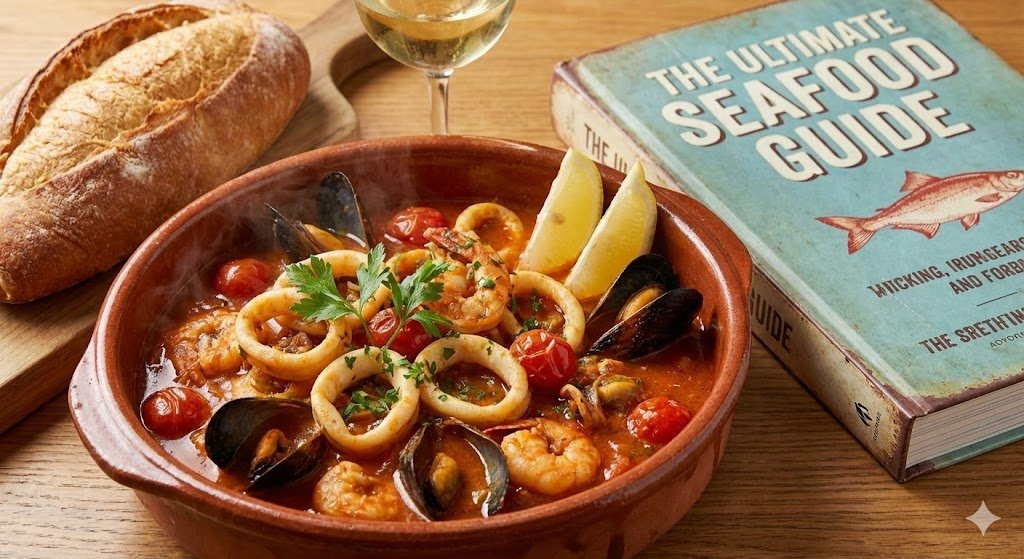
2. Calamariere Stew (Calamarata Style)
For a healthier, rich dinner, braise the squid slowly.
- The Base: Sauté plenty of garlic and red pepper flakes in olive oil. Add cherry tomatoes and let them blister.
- The Squid: Add the squid rings and a splash of dry white wine.
- The Simmer: Cover and cook on low heat for 20–30 minutes. Unlike frying (which must be fast), stewing requires time to break down the collagen, making the squid melt-in-your-mouth tender.
- Serve: Toss with Calamarata pasta rings for the authentic Neapolitan experience.
Nutritional Benefits
Beyond the taste, calamariere is a nutritional powerhouse.
- High Protein: It is a lean source of protein, essential for muscle growth and repair.
- Heart Health: Squid is rich in Omega-3 fatty acids, which are known to support heart health and reduce inflammation in the body.
- Vitamins: It contains significant amounts of Vitamin B12 and selenium, which support nerve function and the immune system.
Conclusion
So, what is calamariere? It is more than just a word; it is an invitation to explore the versatility of squid. Whether you flash-fry it for a crispy appetizer or slow-cook it into a rich tomato sauce with pasta, the key is proper preparation. Remember the milk soak, watch your cooking times, and you will never suffer through rubbery seafood again.