







There are few things more alarming than looking up at your ceiling vent and seeing water dripping down, or pulling out your air filter to find it soaking wet. A wet filter is not just a mess; it is a warning sign. It usually means one of two things: your air conditioner is sick, or your roof has developed a hole.
Diagnosing hvac filters leaking from roof issues requires a quick check of the weather. If it is hot and dry outside, the leak is likely coming from your AC unit (internal). If it is raining, the leak is likely coming from the roof vent flashing (external). This guide will help you determine the cause and fix it before water damage destroys your ceiling.
Why is Water Leaking From My AC Filter? (The AC Causes)
If it hasn’t rained in days but your filter is wet, the problem is almost certainly inside the HVAC system itself. Air conditioners dehumidify the air as they cool it, producing gallons of water (condensate) daily. This water is supposed to drain outside, but when things go wrong, it backs up into your house.
1. Clogged Condensate Drain Line This is the number one cause. Over time, algae and sludge build up in the white PVC pipe that carries water away from your unit. When this pipe clogs, the water has nowhere to go but up. It fills the drain pan, overflows, and drips down through the return air duct, soaking your filter.
- The Fix: Find the drain line access point (usually near the indoor unit) and pour a cup of distilled white vinegar down it to kill the algae. If it is fully blocked, use a wet/dry vac to suck the clog out from the outside pipe.
2. Frozen Evaporator Coils If you ignore a dirty filter for too long, it restricts airflow. Without warm air moving over the cold coils, the condensation freezes into a block of ice. When the system shuts off, that ice melts rapidly—too fast for the drain to handle—causing an overflow.
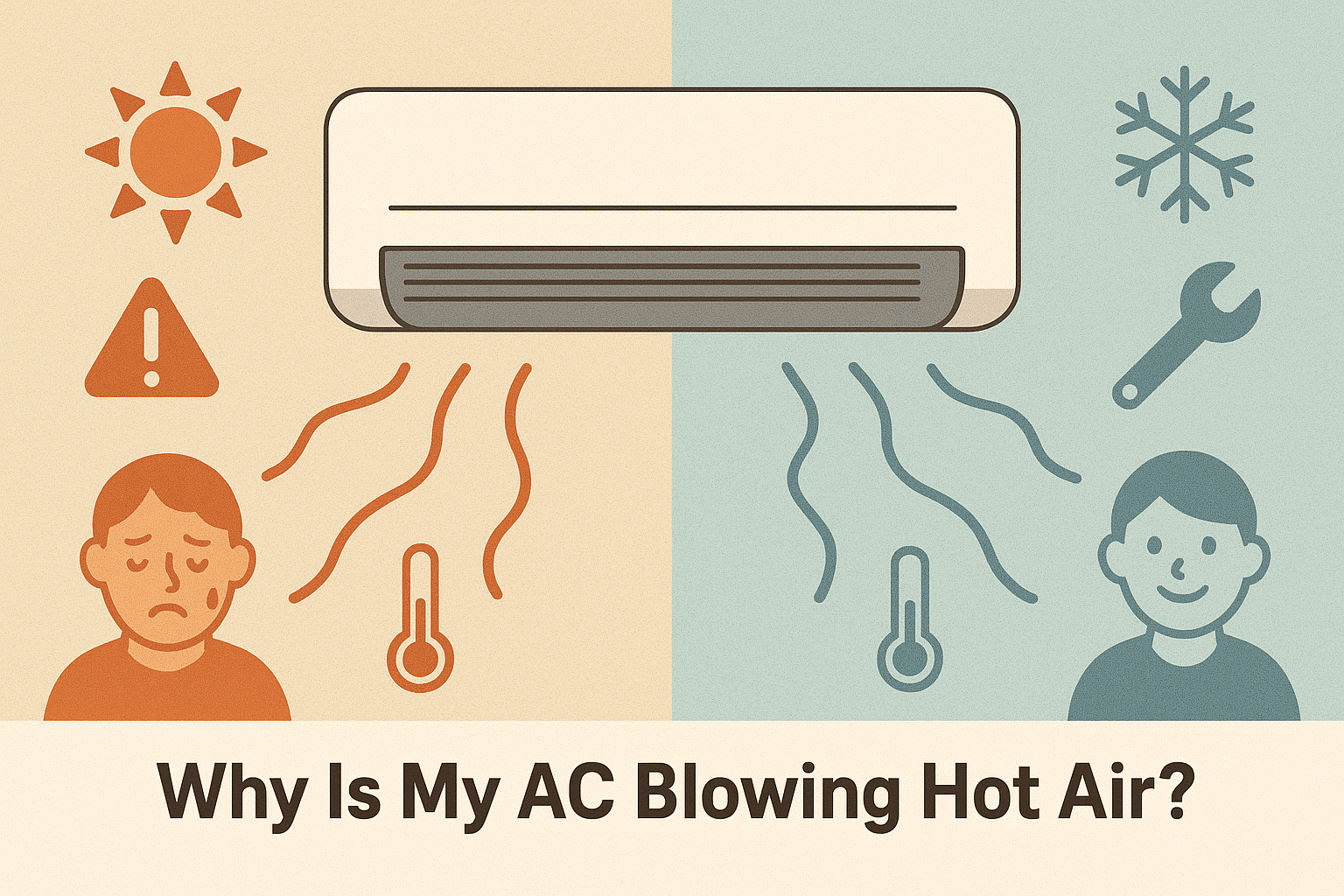
- Troubleshooting: Why is my ac blowing hot air? If your airflow is weak and warm, and your filter is wet, your coils are likely frozen. Turn the system off immediately to let it thaw.
3. Rusted Drain Pan In older units (10+ years), the metal pan under the coils can rust through. Even if the drain line is clear, water will leak through the holes in the pan directly onto the filter below.
Is it the Roof? (The External Causes)
If you notice the leak primarily during or after a heavy storm, your AC unit might be innocent. The water is likely entering from the roof and following the ductwork down to the vent.
1. Vent Boot/Flashing Failure Most HVAC systems have an exhaust pipe (flue) that sticks out of the roof. Around this pipe is a rubber or metal “boot” (flashing) that seals the gap. Exposure to the sun makes rubber brittle. After 7–10 years, these boots crack.+1
- The Symptom: Rainwater slides down the side of the pipe, enters the attic, drips onto the HVAC unit, and eventually pools in the filter housing.
2. Is it Normal for a HVAC System to Leak Water? Many homeowners ask, “Is it normal for a HVAC system to leak water?”. The answer is no. While condensation is normal, it should always be contained within the drain line. Any water outside the pipe is a failure.
- The Fix: If the leak is coming from the roof boot, it requires a roofer to reseal or replace the flashing. If you suspect the leak is a symptom of a widely failing roof (e.g., missing shingles near the vent), you should check the roof replacement cost to prepare for a potentially larger repair.
Can HVAC Filters Get Wet? (The Damage)
Another common question is, “Can HVAC filters get wet?”. Technically, yes, they can get wet, but they are ruined the moment they do.
- Mold Risk: A wet paper or pleated filter is a perfect breeding ground for mold. Within 24 hours, spores can grow and be blown through your entire house.
- Airflow Blockage: Water expands the fibers in the filter, making it almost impossible for air to pass through. This suffocates your compressor and can lead to total system failure.
- Action: Never try to dry out a disposable filter. Throw it away immediately and replace it once the leak is fixed.
Who is Responsible for Leaking Roofs?
If you are renting, you might be wondering “Who is responsible for leaking roofs?”.
- The Landlord: Generally responsible for the structural integrity of the property, including the roof and the HVAC hardware.
- The Tenant: Responsible for reporting the issue immediately. If you notice a wet ceiling spot and wait a month to say something, you could be held liable for the secondary mold damage that occurs because of the delay.
Conclusion
Finding hvac filters leaking from roof vents is a hassle, but diagnosing it is straightforward. Check the weather: rain points to the roof, while heat points to a clogged drain. Regardless of the source, water belongs in a pipe, not on your floor.
Pro Maintenance Tip: Every spring, pour a cup of vinegar down your condensate line. This simple 5-minute task can prevent the algae buildup that causes 90% of these leaks.