







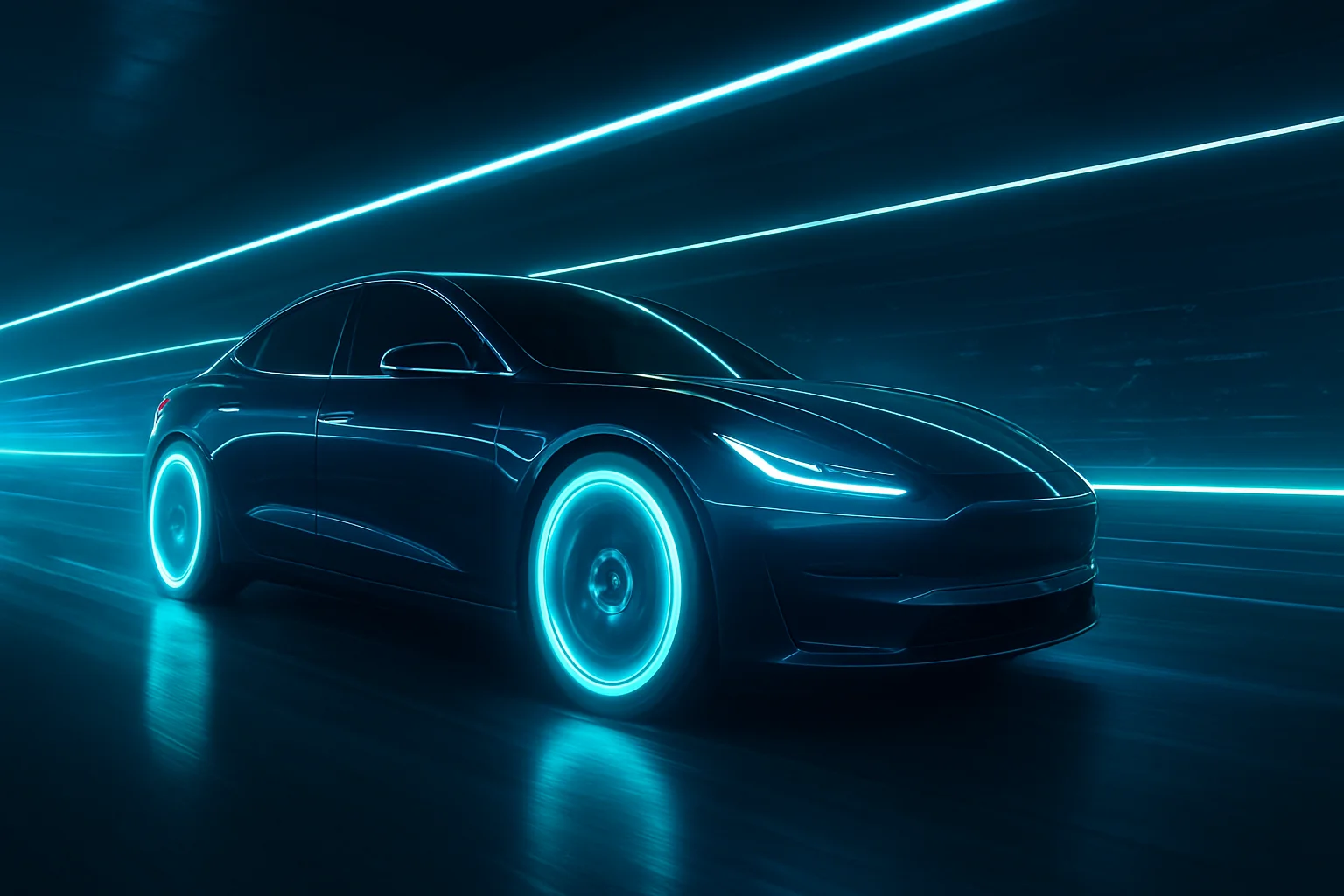
Quantum wheels are emerging as one of the most exciting innovations in modern automotive engineering. Built on ultra-light materials, sensor-rich design, and efficiency-boosting tech, they promise smoother rides, better control, and performance gains that feel straight out of a sci-fi upgrade.
What Are Quantum Wheels?
Despite the futuristic name, quantum wheels aren’t about Schrödinger’s cat or quantum physics equations. The term represents a class of next-generation wheels designed with advanced composites and smart systems that dramatically improve speed, safety, and energy flow.
They blend materials like graphene-enhanced carbon, nano-engineered alloys, and adaptive structures that respond to road conditions in real time. This is why automotive researchers and EV manufacturers are watching the technology so closely—quantum wheels offer a leap toward cleaner, faster, more responsive mobility.
How Quantum Wheels Actually Work
Think of them as wheels with a brain. Tiny embedded sensors monitor traction, friction, wheel temperature, weight distribution, and rotor performance. This data allows vehicles to adjust power output instantly, improving grip on wet roads, tightening cornering performance, and making acceleration feel more controlled.
The materials matter, too. Graphene-infused composites are incredibly strong yet lightweight, reducing rolling resistance and extending battery range in electric vehicles. This ties directly into the same performance logic driving innovations in modern high-speed mobility—similar to what’s pushing the evolution of the fastest e-bike in 2025, where design and efficiency go hand in hand.
Benefits of Quantum Wheels
The hype isn’t just marketing talk. These wheels bring real advantages, especially for electric vehicles and high-performance cars:
- Faster acceleration thanks to energy-optimized materials
- Better stability at high speeds
- Lower wheel wear, translating into reduced maintenance
- Enhanced traction from real-time sensor adjustments
- Improved battery range in EVs due to decreased energy loss
The combination of lightweight structure and smart technology gives cars a smoother, more responsive feel that drivers immediately notice.
What Makes Them Different from Regular Wheels?
Regular wheels are passive—they spin, absorb impact, and wear down. Quantum wheels, on the other hand, function like dynamic components of the vehicle’s intelligence system.
Instead of simply rotating, they feed live data to the car’s onboard computer. They react to slopes, adapt to turning forces, and stabilize the ride on uneven surfaces. Their materials resist heat better and deliver more consistent performance, especially during demanding drives.
This is the same data-driven philosophy behind the rise of Asia’s major tech hubs, where analytics and real-time computation shape innovation. It’s the same principle behind projects like Guizhou Meigan Technology, where advanced data ecosystems unlock next-level performance.
Are Quantum Wheels Available Today?
Not quite—not for everyday buyers, at least. Most quantum wheel designs are still in prototype or testing stages. Early versions are being explored by EV startups, motorsport engineers, and research labs experimenting with smart-material frameworks.
Some features, such as adaptive traction sensors, have already appeared in premium performance vehicles. But full-scale quantum wheels—the kind built completely with next-gen composites and integrated sensor matrices—are still a few years away.
Where This Technology Fits in the Future of Automotive Design
Quantum wheels fit perfectly into the shift toward smarter, cleaner, and more efficient transportation:
- AI-powered driving systems: Wheels provide real-time data for safer autonomous responses
- EV efficiency boosts: Less resistance means more miles per charge
- Sustainable mobility: Stronger materials last longer and create less waste
- Smart road integration: Wheels could eventually communicate with road infrastructure for hyper-optimized routes
As cars become rolling computers, wheels can no longer remain low-tech. Quantum wheels offer the missing piece for vehicles that think, respond, and self-correct on the go.
Challenges and Limitations
For all the promise, there are hurdles:
- High manufacturing costs
- Difficulty mass-producing nano-engineered materials
- Regulatory challenges for sensor-integrated wheels
- Limited testing in extreme real-world conditions
Scaling this technology to affordable consumer cars is going to take time, but industry momentum is clearly moving in this direction.
Should Drivers Be Excited About Quantum Wheels?
Absolutely. Even if the rollout will be slow, the advantages are too significant to ignore. Quantum wheels could reshape the driving experience—quieter rides, safer handling, longer battery life, and smoother acceleration.
Early adopters, car enthusiasts, and EV drivers are likely to feel the impact first. But as costs drop and manufacturing catches up, quantum wheels could become the new standard in automotive design.
The future of wheels isn’t rubber and metal—it’s smart, lightweight, optimized, and deeply connected. And quantum wheels are leading the charge.