






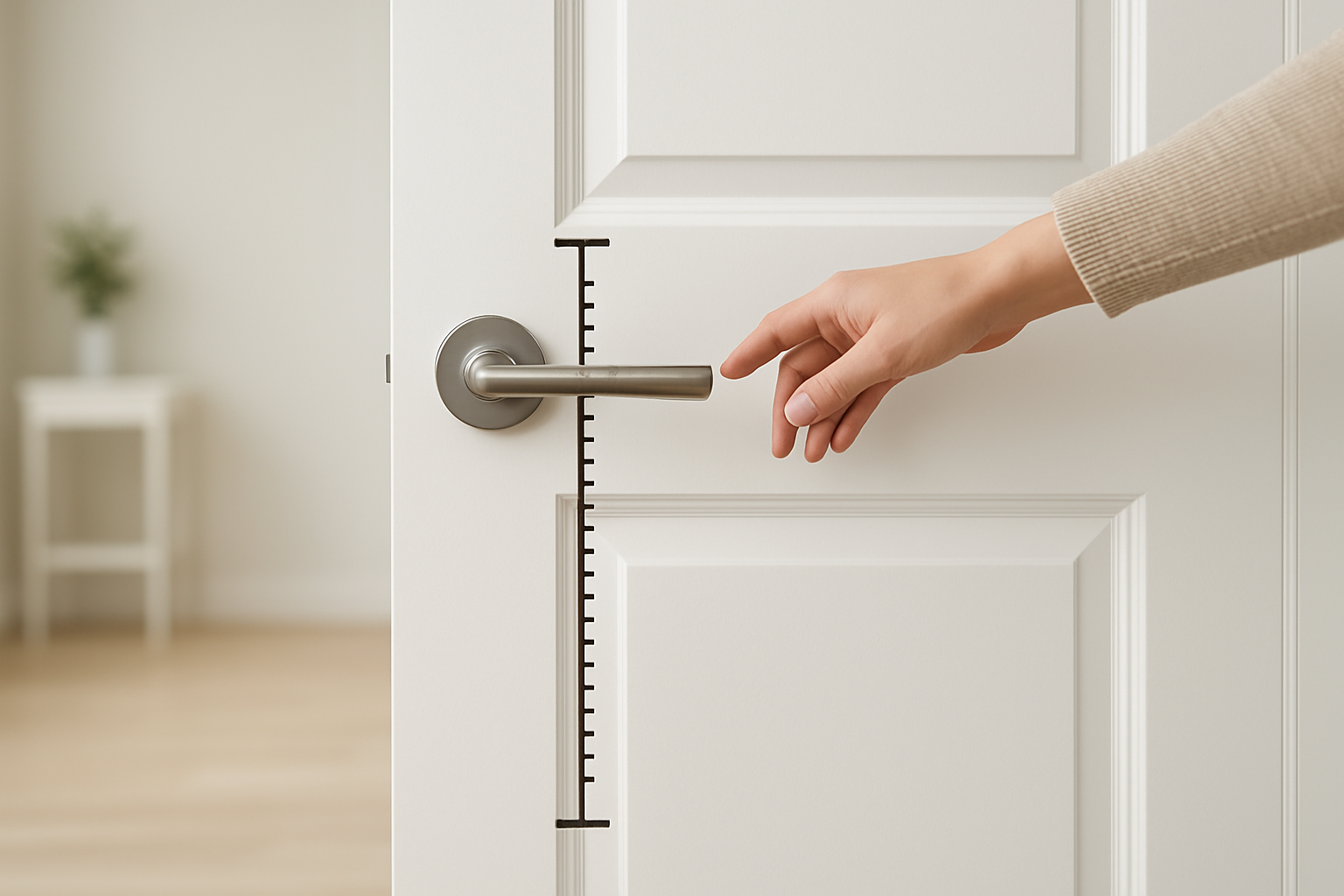
When it comes to door hardware, door handle height is more than just a design choice — it affects comfort, usability, and safety. Whether you’re installing a new handle at home or ensuring compliance in a commercial building, knowing the correct height is essential. In this guide, we’ll break down standard measurements, ADA requirements, and practical tips to make sure your doors are functional and accessible for everyone.
Why Door Handle Height Matters
Door handles may seem like minor details, but their placement can have a major impact. Handles that are too high or too low can cause discomfort or even accidents, particularly for children, elderly people, or those with limited mobility. Proper height ensures:
- Ergonomics: Handles should be easy to reach without straining.
- Safety: Correct placement minimizes the risk of falls or awkward movements.
- Accessibility: Compliance with ADA (Americans with Disabilities Act) standards ensures that all users, including wheelchair users, can operate the door easily.
- Aesthetic balance: Properly placed handles look intentional and professional in both residential and commercial spaces.
Standard Door Handle Height for Residential Homes
For most homes, door handles are positioned within a comfortable range that suits adults and older children. Standard residential door handle height generally falls between 34 to 48 inches from the finished floor. This range allows a handle to be comfortably used without bending or stretching.
Key points to consider:
- Lever handles vs. knobs: Lever handles are generally easier to operate, particularly for children or individuals with limited hand strength. Knobs may require a firmer grip.
- Interior vs. exterior doors: Exterior handles are sometimes installed slightly higher for security reasons, but they should still remain within the standard ergonomic range.
- Consistency: Keeping the same height across all doors in a home helps avoid confusion and maintains visual harmony.
ADA Door Handle Height Requirements
For public buildings or spaces that require accessibility compliance, the ADA sets specific guidelines. According to the ADA:
- Door handle height should be between 34 inches and 48 inches from the finished floor.
- Push-pull handles must also fall within this range for proper reach and operation.
- Lever handles are preferred over knobs because they are easier to use for people with disabilities or arthritis.
Compliance isn’t just about legality — it ensures your space is welcoming and functional for everyone, regardless of mobility.
How to Measure Door Handle Height Correctly
Accurate measurement is essential for both residential and commercial doors. Follow these steps:
- Start from the finished floor – not the baseboard or subfloor.
- Use a reliable tape measure and, if possible, a level to ensure the handle is straight.
- Mark the handle height on both doors in a double-door setup to maintain uniformity.
- Verify ADA compliance if the door is in a public or commercial space.
- Double-check the handle’s alignment with the latch and lock mechanism before drilling or installing.
Proper measurement ensures smooth operation and prevents future issues like misalignment or difficult door opening.
Door Knob Height vs. Lever Handle Height
Choosing the right type of handle also affects placement:
- Knobs: Usually installed at the midpoint of the standard range, but they require more grip strength to turn.
- Lever handles: Easier to operate and often preferred in homes with children or elderly residents.
- Lever handles may be installed slightly lower than knobs to accommodate ergonomic reach, especially in commercial settings.
Considering who will use the door most frequently helps determine the best handle type and height.
Tips for Adjusting or Installing Door Handles
- Repositioning existing handles: If an old handle is too high or low, you may need to drill a new hole or use a handle extender.
- New installations: Ensure the door is fully finished and level before marking the handle height.
- Check for alignment: Handles should line up with latches, strikes, and locks for smooth operation.
- Safety first: Always use proper tools and protective gear when installing or adjusting handles.
Common Mistakes When Setting Door Handle Height
Even small errors in height can lead to frustration or non-compliance. Avoid these pitfalls:
- Ignoring ADA rules in public spaces.
- Measuring from an uneven or unfinished floor.
- Installing handles too high for children or too low for adults.
- Using incompatible handle types for the intended user group.
Correct placement ensures both usability and longevity of the hardware.
Conclusion: Ideal Door Handle Height for Comfort & Accessibility
Whether you’re designing a new home, updating a commercial space, or simply replacing a worn handle, understanding door handle height is crucial. Standard residential handles fall between 34 and 48 inches, while ADA-compliant handles should always meet accessibility requirements. Lever handles are generally easier to use than knobs, and careful measurement guarantees smooth operation for everyone.
By following these guidelines, your doors will not only function better but also create a safer, more comfortable environment for all users. For interior planning and home improvement tips, consider how door placement interacts with furniture, cabinet layouts, or even home décor choices like queen size blanket dimensions or ranch style fences to create a harmonious and practical living space.